Luas passengers dragged along platforms in series of incidents
Rail accident investigators have called for all Luas trams to be fitted with anti-drag technology following a series of incidents in which passengers were dragged along platforms after they or their belonging were caught in doors.
Rail accident investigators have called for all Luas trams to be fitted with anti-drag technology following a series of incidents in which passengers were dragged along platforms after they or their belonging were caught in doors.
A safety advice notice has been issued by the Railway Accident Investigation Unit after four separate “trap-and-drag” incidents between April and June this year.
The RAIU said there was a risk of injuries or fatalities to passengers from being dragged along with a tram.
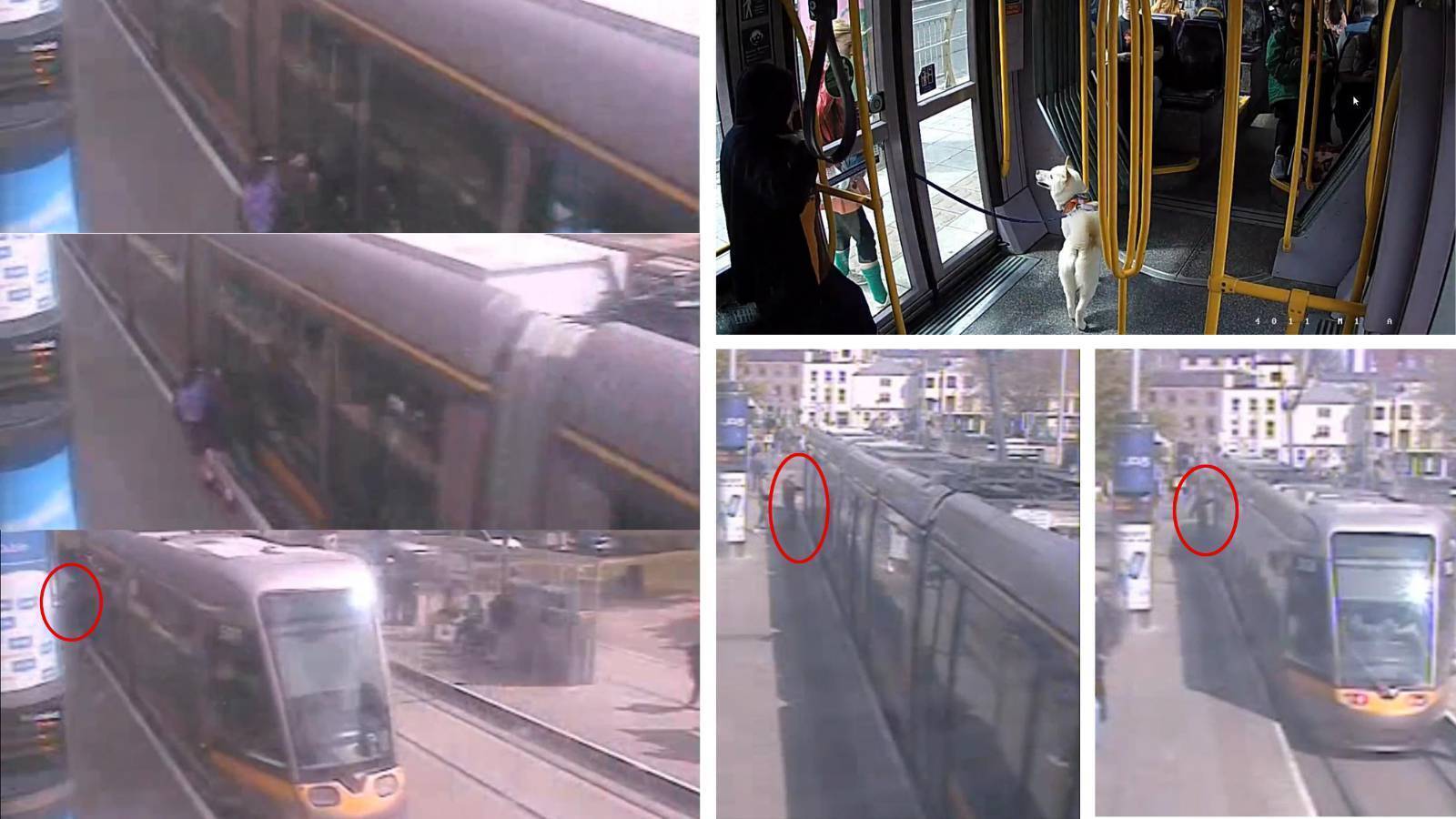
In one incident at the Stillorgan stop on the Luas Green Line on May 15, a teenager sustained a deep laceration to her face and grazing to her knees and hands after her coat became trapped as the doors closed before she boarded the tram.
Read More
The girl ran alongside the tram on the platform before managing to release her coat and falling to the ground without the driver becoming aware of what happened.
Passengers on the platform contacted emergency services and the girl was brought to hospital by ambulance for treatment for her injuries.
In a separate incident, a man got one of his fingertips trapped between the doors while trying to board a tram at Heuston Station on April 21.
The passenger ran alongside the Luas before the driver became aware of the commotion and stopped the tram. The man was uninjured.
On June 17, a dog on a leash boarded a tram at the Hospital stop in Tallaght on the Red Line but its owner did not manage to get on before the doors closed.
The woman, who had the lead wrapped around her wrist, was dragged alongside the tram before eventually freeing herself and falling onto the platform.
The driver stopped the tram after hearing passengers shouting.
The dog owner sustained minor cuts but declined medical attention, while the dog was uninjured.
In another incident at the Busáras stop on May 29, two passengers got their bag trapped as they ran towards the tram as the doors were closing.
The driver stopped the tram after being alerted by passengers on board to the passengers still holding on to their bag.
Investigators examined the door closing sequence on Luas trams, the obstacle detection system, the information available to tram drivers, and the public’s awareness of how tram doors operate.
The RAIU found that the Luas fleet uses technology which detects obstacles if there is a 10mm gap between doors when they close.
However, all four incidents involved obstructions which were less than 10mm so the doors were able to close and lock.
“Enhanced obstacle detection and dedicated drag detection technologies, if installed, would likely have prevented the incidents,” the RAIU said.
It claimed information stickers located on the doors of trams to inform passengers to stand clear when they are closing were “not sufficiently effective".
The RAIU noted research carried out last year which found there is widespread misunderstanding of how tram doors function.
Investigators pointed out that many passengers act in risky ways without knowing the full extent of the risk because they believe tram doors behave like doors on lifts or in shops.
The RAIU said a tramway safety instruction manual was clear on how Luas drivers should operate doors, including allowing ample time for passengers to board and disembark trams before closing them.
Drivers are also required to use cameras and mirrors to check the doors are clear of obstruction and to use chimes to signal to passengers that the tram is about to depart.
However, the RAIU said the picture quality of camera displays on some older trams was poor, while more refined high-definition CCTV might have assisted drivers in seeing obstacles being trapped.
The investigation noted that the operator of the Luas, Transdev Dublin Light Rail, issued a safety alert following the incident in Stillorgan to remind drivers about following correct door operating procedures.
Noting that the contract for operating Luas services will be taken over by Keolis Amey Light Rail Dublin Limited from September 1, the RAIU issued four safety recommendations including the installation of advanced technology as well as sensors and better CCTV that would detect the presence of trapped objects.
The RAIU also called for “shark’s teeth” warning stickers to highlight risks associated with closing tram doors.
It said the tram operator along with Transport Infrastructure Ireland should also develop a safety education campaign to educate passengers about how tram doors operate.
It further recommended that the manual for drivers should give greater emphasis on the need for drivers to check their platform cameras and mirrors again before departing a stop.


CONNECT WITH US TODAY



Be the first to know the latest news and updates