Irish consumers battling ticket bots and fake concert tickets, new research finds
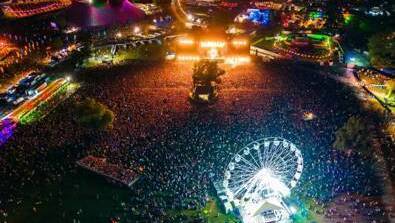
Bank of Ireland has issued a warning against ticket scams ahead of Electric Picnic next weekend.
Irish consumers are battling against ticket bots to buy high-demand tickets to see their favourite artists live.
New research from Queen’s University Belfast examined the role of artificial intelligence and bots in the music industry, and warned consumers and musicians were being “shortchanged because of technology that is out of control".
It found evidence of scams on secondary selling platforms, where consumers are handing over large sums of money for tickets that never existed in the first place.
It also focused on online ‘buy and sell’ groups that are “highly unregulated” and, on occasion, moderated by bots.
The research, carried out by the School of Law and School of Electronics, Electrical Engineering and Computer Science, found the “malicious use of technology” is increasingly sophisticated, with “bots ever-evolving to circumvent rules laid down by the social-media, music streaming and primary ticketing platforms”.
It comes as Bank of Ireland issued a warning against ticket scams ahead of Electric Picnic next weekend.
The bank said fraudsters were likely to target people searching for sold-out tickets and accommodation passes through fake listings on social media, online marketplaces, and unofficial websites.
“Festival goers can protect themselves by using official resale or ticket transfer platforms, avoiding purchases through social media or private messaging apps, and taking time to verify sellers before making a payment,” a Bank of Ireland spokesperson said.
Read More
Author of the Queen's research Katherine Pittalis told the those battling against these ticket bots are often “not at the front of the queue” and have to go in with the expectation there is a “strong likelihood they are not going to be able to get the ticket they want, because the bot is able to get it before them”.
When people eventually get to the top of the queue for tickets, they are left with making split-second decisions to “pay astronomical prices” to see their favourite artists after “going through the psychological process” of waiting.
Consumers who are unable to buy the tickets from official sites are then forced to look at buy-and-sell groups across various social media platforms, which are already “flooded with bot accounts".
Often, these tickets end up being fake or not transferred ahead of the concert.
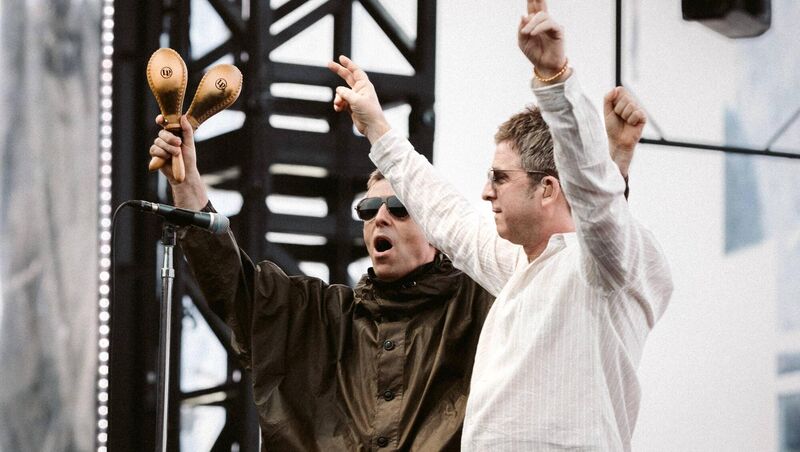
For the latest Oasis tour last year, 500,000 people joined queues to buy the Croke Park tickets, with the three-hour pre-sale seeing a portion of tickets being snapped up in advance of the general sale.
Tickets had been set to start at €86.50 without booking fees.
However, according to social media users and snapshots from Ticketmaster's website, these lower-priced tickets were largely unavailable for those waiting in queues.
Instead, they were offered standing tickets, which cost up to €415.60 each.
Ms Pittalis said concerts often end up with lots of empty seats despite huge demand from consumers.
“I think this is because the people who are using ticket bots are unable to resell them, because they are trying to resell them for profit. It just leaves so many empty seats at these concert venues,” she said.
"This is just not going on in the UK, but also in America, and Ireland as well,” Ms Pittalis added.
She believes the unregulated markets for concert tickets will continue to get worse in the next five years due to evolving technology, unless better oversight is in place.
“I don’t think it will deter people from going to concerts. But I do know... if I am buying concert tickets for a high-profile artist, I have to psych myself up to go through that process, because I know how hard it is,” she said.
“The process is really tricky, and it shouldn’t be like that, but, unfortunately, that is the situation.
“Unless something changes now, then it is going to get worse,” Ms Pittalis said.
She added there needed to be more transparency over how this technology works and that better oversight is needed to inform people.
“I think there needs to be more transparency with general consumers, saying that ‘This is the situation, and this is what you have to prepare yourself for',” Ms Pittalis added.
Ms Pittalis’ research also looked at the rise of AI in generating music, with some musicians starting to use aspects of it in their production.
It also found in some extreme cases, entire songs have been generated entirely by AI.
“In my research, I was discussing the conflict of the artificial musician, which is basically the artist who will create songs entirely by AI,” she said.
“They also couple that by creating a social media profile, which is essentially a whole AI persona... one step further into tricking consumers into believing they are actual musicians,” Ms Pittalis’ added.
However, she said this was only starting, with some people doing it for creative purposes to gauge “how far they can take the technology”.
“Social media and media streaming platforms are now trying to introduce these transparency labels to kind of make users aware of AI-generated content, but it can still slip through the cracks,” Ms Pittalis’ added.
CONNECT WITH US TODAY



Be the first to know the latest news and updates