Maximum number of boys housed in Oberstown for 40% of 2025
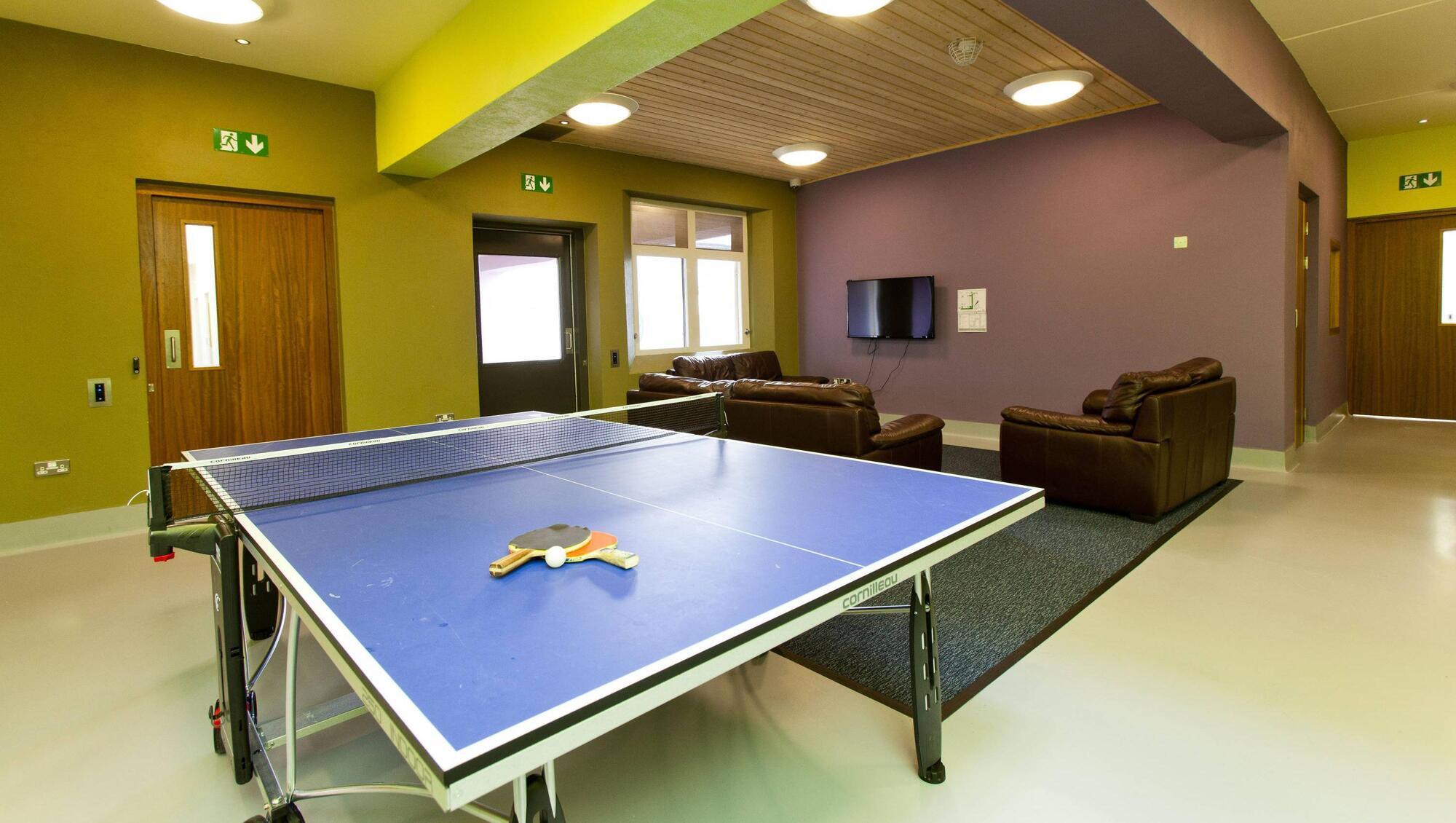
The Oberstown Children Detention Campus' annual report for 2025 said this 'increased demand' and 'increased occupancy' is happening at a time of a 'very difficult recruitment environment'. File Picture: Iain White / Fennell
The country’s only detention facility for children had the maximum possible number of boys it can hold for almost 40% of 2025 — twice the amount as 2024.
The Oberstown Children Detention Campus' annual report for 2025 said this “increased demand” and “increased occupancy” is happening at a time of a “very difficult recruitment environment”.
The report’s publication coincides with renewed industrial unrest at the North Dublin facility, with Fórsa trade union members engaging in a work-to-rule over “persistent and unresolved” concerns over staffing levels, including assaults on staff by some children.
The Oberstown report acknowledged injuries staff suffered in assaults, specifically in the second quarter of 2025, saying it was a “testing time” for the centre.
It said the small number of children involved had “extremely complex and significant behavioural challenges”, but added these were “isolated incidents”.
In the report foreword, chair Koulla Yiasouma, said: “A major challenge remains the occupancy levels with a more than a two-fold increase in the number of days where there was a maximum of 40 boys on the campus.”
Figures show there were 137 days in 2025 where there were 40 boys held at Oberstown, which is the maximum number the facility can safely hold. This compares to 62 days in 2024 and a three-year average of 76.
The report shows that while the number of young people sent to Oberstown on remand (charged but awaiting trial) dropped compared to previous years, the number being detained on conviction rose from 63 in 2024 to 72 in 2025.
Ms Yiasouma said: “At all times, they [the children] had to be cared for within the context of maintaining safe staffing levels. Recruiting residential care workers remains a significant challenge, one that is not unique to Oberstown.”
She said recruitment challenges are likely to be a “constant feature of the campus for some time”.
The annual Hiqa inspection, carried out in November 2025, reflected the “impact of the pressures on Oberstown of the high number of young people and staffing levels”, she said.
The report said Hiqa identified the impact of “persistently high occupancy levels and the numbers of young people whose complex needs require increased levels of staffing and supports”.
It said the “persistent staff shortages required restrictive practices to be used on 10 dates over the 12 months prior to inspection”.
The Hiqa report did note that the use of restrictive practices — including single separation and physical restraints — were down 33%.
In his overview, Oberstown director Damien Hernon also highlighted the pressures the facility experienced: "In Q2, 2025, we faced a testing time through incidents involving some young people with extremely complex and significant behavioural challenges.
He said the ongoing good work at Oberstown happened against the backdrop of “increased demand, increased occupancy, legislative challenges, and a very difficult recruitment environment”.
The report highlights a significant overrepresentation of young people from the Traveller community in Oberstown, accounting for 25% of its population in 2025, compared to less than 1% of the general population.
Mr Hernon said “toxic masculinity is an emerging trend” among the boys at Oberstown, adding that they are working on developing a programme on sexually harmful behaviour with external experts, including from Tusla.
- Cormac O'Keeffe is the Security Correspondent with the.