Women 'incredibly distressed' over delays in expansion of free fertility care, advocate says

Caitriona Fitzpatrick: 'There are people who heard it announced in 2024 that donor conception would be included in the publicly funded scheme from 2025 and they have held off and waited. They have been incredibly distressed waiting for this and by the time they have lost and the difference it has made to their chances of starting a family.'
A national support group for women experiencing infertility has warned momentum behind proposals to expand public fertility care feels lost, leaving women waiting in distress.
In October 2024, the Government's budget contained plans for the following year for significant changes for access to fertility care, which have yet to be fully implemented.
A chief executive for a new agency to regulate services was only appointed last month, while people who need donor assisted fertility treatment are still waiting.
A Department of Health spokesman could only say the Assisted Human Reproduction Regulatory Authority (AHRRA) will be “in a position to deliver on its statutory functions as soon as practicable".
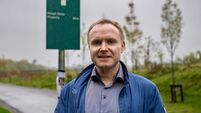
Caitriona Fitzpatrick, from the National Infertility Support and Information Group, said the delays were disappointing.
“There are people who heard it announced in 2024 that donor conception would be included in the publicly funded scheme from 2025 and they have held off and waited. They have been incredibly distressed waiting for this and by the time they have lost and the difference it has made to their chances of starting a family," she said.
Ms Fitzpatrick said anyone with complaints or negative experiences at fertility hubs had nowhere to go to air their grievances.
The support group has a list of women with complex queries it wants to refer to the regulator, but the body is not yet functioning.
“There have been no updates. It just feels like it’s lost momentum,” she said.
She called on the new chief executive of the regulatory authority Colm O’Leary to staff the body quickly and to talk to patient groups.
Ms Fitzpatrick is fundraising for the support group on Saturday, June 27, for a 24-hour climb of the three highest peaks across the UK next month along with UK-charity Fertility Action.
“It’s a really big challenge,” the Mallow woman said.
“They’re trying to mirror the fertility journey of the highs and lows and having to pick yourself back up again, another mountain to climb.”
Funds will support the group's phoneline, webchat, support meetings, and workshops.
“This fundraiser is vital for sustaining these frontline supports,” she said.
A Department of Health spokesman said: “The new chief executive's focus is on putting in place the necessary systems, structures and processes necessary to getting the AHRRA operational and in a position to deliver on its statutory functions as soon as practicable.”
In relation to the donor-assisted care, he said access criteria were “kept under ongoing review.”
He added: “Further potential changes to the access criteria or expansion of the initiative requires continued extensive consultation between department officials, colleagues in the HSE, and also with relevant specialists in the field of reproductive medicine.”
Up to May, almost 4,500 couples were referred for funded fertility care in a private centre, having been seen in one of the regional fertility hubs.
The scheme was expanded last year to include couples who already had one child but are struggling with secondary infertility.

CONNECT WITH US TODAY



Be the first to know the latest news and updates