‘It brought a profound sense of relief,’ says woman diagnosed as autistic in her 40s
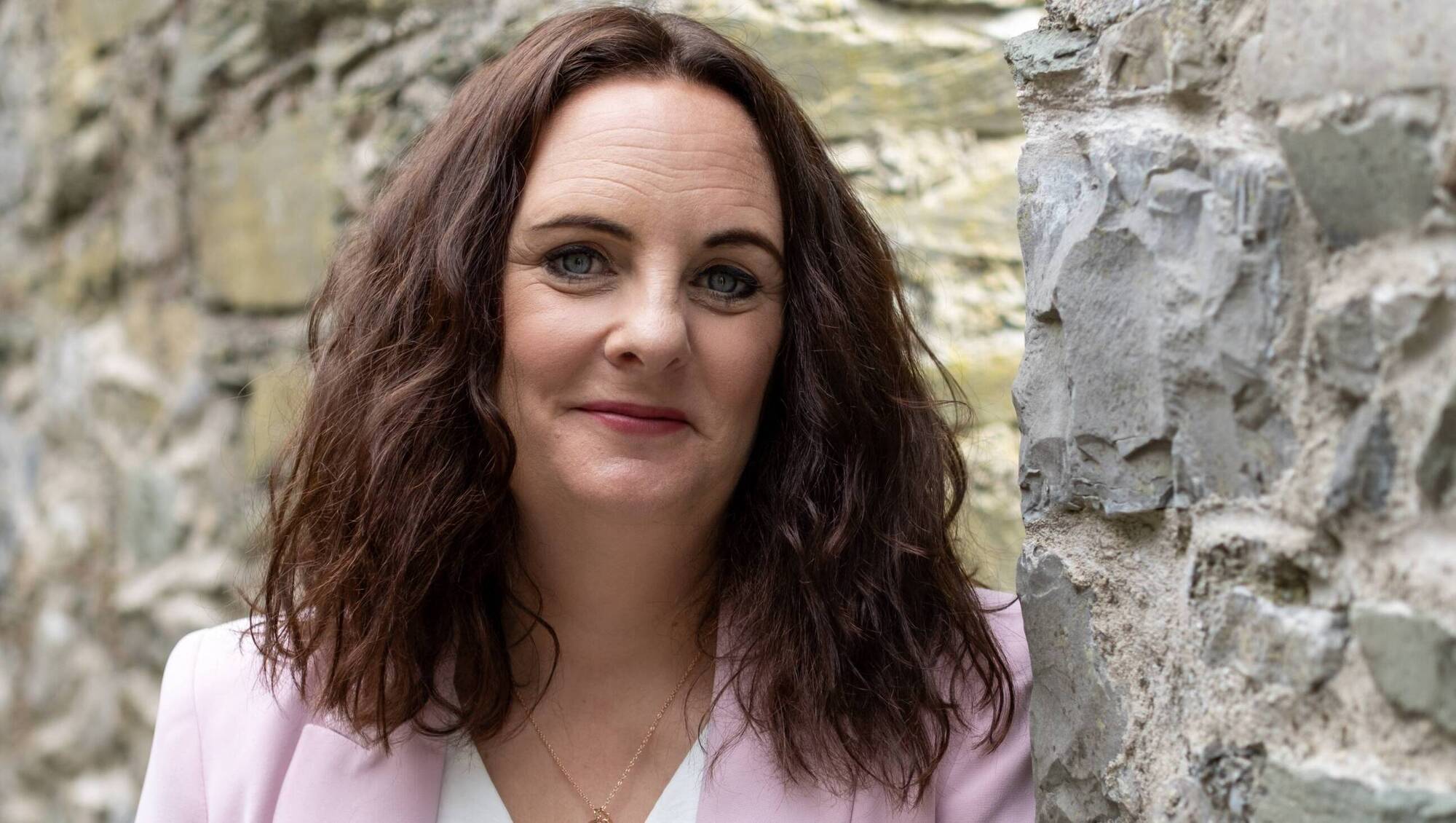
Orlagh Reid, an Irish Association of Counsellors & Psychotherapists accredited psychotherapist and coach was diagnosed with autism in her 40s.
A woman who was diagnosed as autistic in her 40s described the experience as “pivotal” and has called for the new autism assessment plan to be fully resourced.
Until now, adults could only obtain an autism diagnosis through private providers, with costs ranging from €1,600 to over €2,700, based on pricing lists available this week.
A State-funded autism assessment process, launched last week and due to begin in July, will include adults for the first time. Psychotherapist Orlagh Reid welcomed the announcement, but said advocates have expressed concerns regarding supports.
“Receiving an AuDHD diagnosis in my late forties has been one of the most pivotal experiences of my life,” she said, referring to autism and ADHD.
“It brought a profound sense of self-understanding, relief, acceptance, and validation for struggles I had carried for decades without knowing why life felt harder and significantly more stressful than it seemed to be for everyone else.”
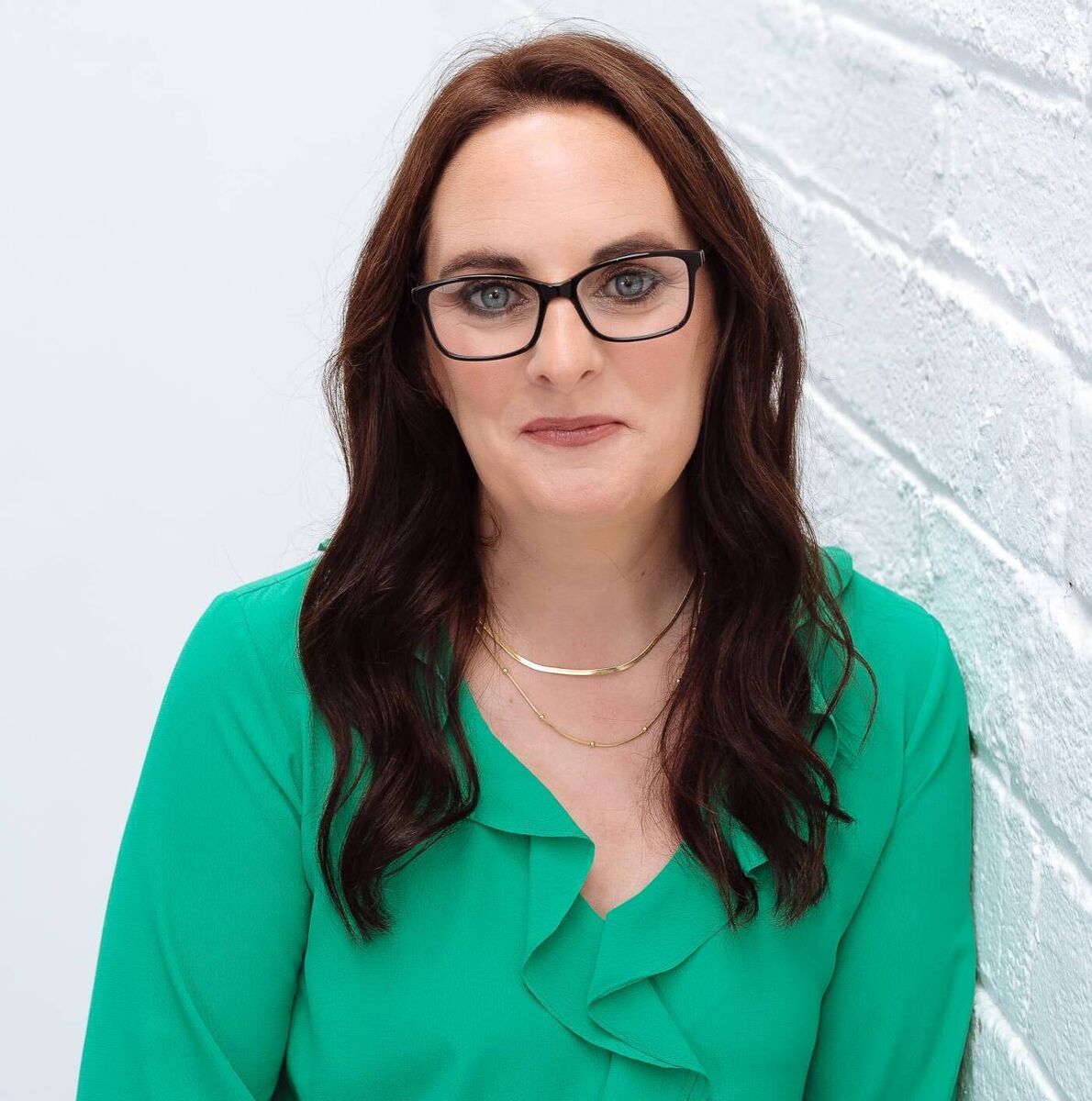
In addition to the cost of a diagnosis, Ms Reid had been attending therapy since her early 20s. “My AuDHD diagnosis finally brings me a deep sense of peace,” she said.
These high costs mean it is “fundamentally necessary” to have diagnosis in the public sector, she said.
“So many neurodivergent adults are living with anxiety, burnout, addiction, panic attacks, or depression and are being prescribed medications without realising that they may, in fact, have undiagnosed autism or ADHD,” she said.
A diagnosis can “inform and transform” people, said Ms Reid. It can improve their “entire quality of life, from education and career to parenthood and later-years care”.
However, diagnosis alone is not enough, said Ms Reid. “Support services, awareness campaigns, education, and policy need to be part of the wider autism protocol.”
The plans for a new approach follow growing public frustration at long waiting times and delays for children's assessments.
Gareth Noble, a solicitor specialising in children’s rights with KOD Lyons, said he is currently assisting a family who have been told their child’s services will not begin until November 2033.
“What we’re finding in relation to service statements is there’s now a creeping increase in relation to when people can access services,” he said.
Some people only receive “a commitment to a meeting to discuss goals and priorities for the child, rather than actually referencing back to the already-assessed needs of the child in their multi-disciplinary report".
Mr Noble raised concerns about this, saying: “In the context of any reforms to autism protocols there is a glaring gap as to what the plans are to enable children to access services.”
He also said he is seeing more parents being given pre-prepared handouts, videos, or laminated materials instead of “serious or meaningful interventions for the children directly”.

CONNECT WITH US TODAY



Be the first to know the latest news and updates