Galway City Council backs call for dedicated mental health A&Es
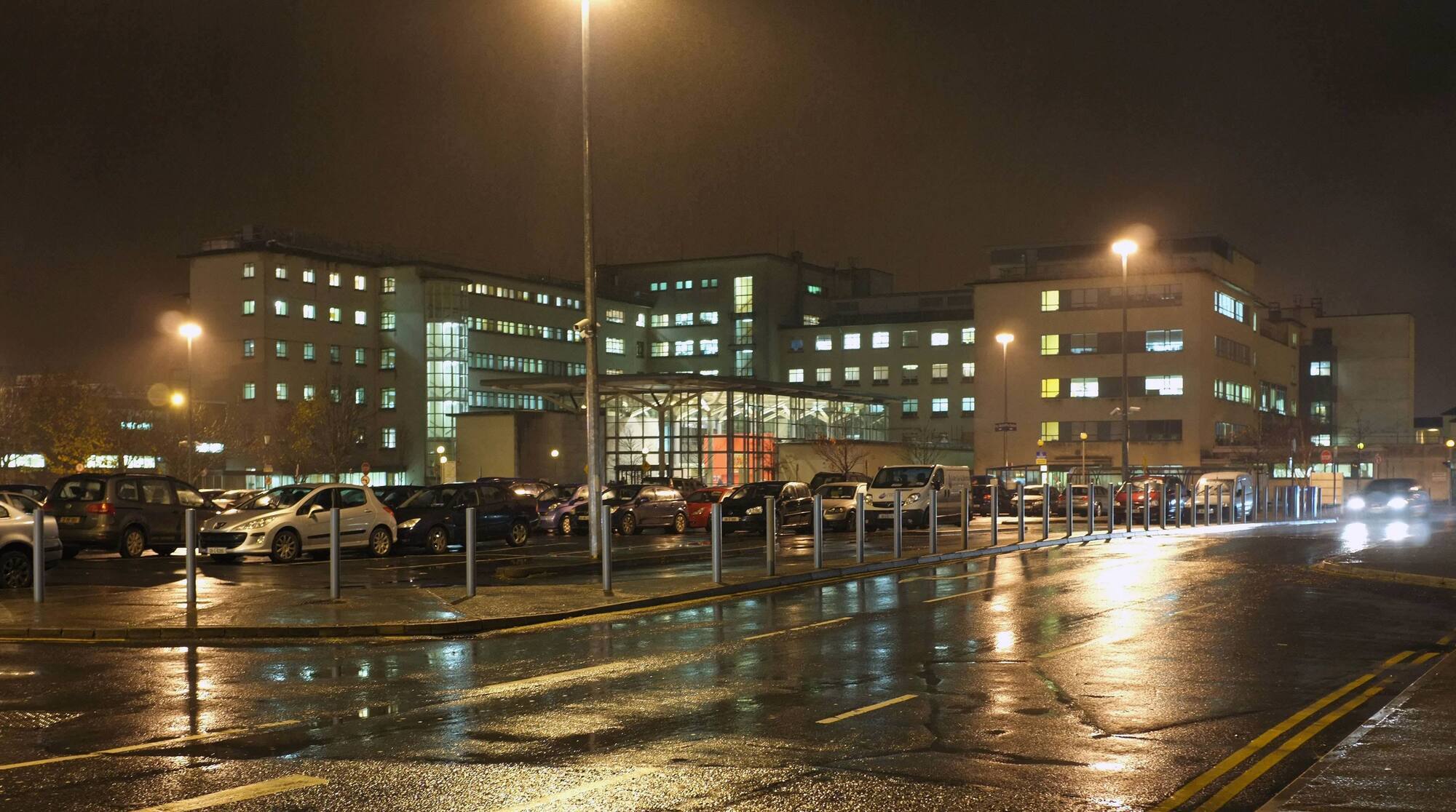
The proposal comes amid an ongoing campaign by the family of Adam Loughnane, who died after presenting at University Hospital Galway while feeling suicidal. File picture: Andrew Downes
Galway City Council has unanimously backed a motion calling for the upgrade of University Hospital Galway (UHG) to be designated as “critical infrastructure”, while also supporting the establishment of a dedicated mental health A&E on the hospital grounds.
The motion, proposed by councillor Alan Cheevers at the council's monthly meeting, was passed with cross-party support as the Government’s Critical Infrastructure Bill progresses through the legislative process.
An amendment introduced by councillor Helen Ogbu to include support for a mental health A&E at UHG was also unanimously approved.
The proposal comes amid an ongoing campaign by the family of Adam Loughnane, who died after presenting at University Hospital Galway while feeling suicidal.
Adam, aged 34, went to the emergency department on February 11, 2025, and repeatedly told staff he wanted to end his life.
After being assessed by a triage nurse, he was advised to wait for the liaison psychiatry team.
Read More
However, around 90 minutes later, he left the hospital and ended his life nearby.
His family has since campaigned for the introduction of separate emergency facilities for people experiencing a mental health crisis.
They are arguing that overcrowded emergency departments are unsuitable environments for vulnerable psychiatric patients.
The campaign by the Loughnanes for dedicated mental health A&Es has gathered significant national support, with more than 23,000 people signing a petition backing the proposal.
The initiative has also received support from the Mental Health Commission, Mental Health Reform, the College of Psychiatrists of Ireland, and the Irish Patients Association.
Ahead of the Galway West by-election, Adam’s brother Joe Loughnane called on candidates to publicly support the proposal and said his brother’s death “reflected wider systemic failings in emergency mental healthcare”.
“The medical professionals who tried to help Adam are overworked, underpaid and understaffed. They can only do so much with the facilities provided to them.”
Mr Loughnane said he believes his brother may still be alive had he been directed towards a more appropriate setting specifically designed for people in mental health crisis.
“He had done everything right, but ultimately he was failed when he needed help the most,” he said.
Mr Loughnane added that dedicated Mental Health A&Es could provide safer and more therapeutic environments for people in crisis and has described Adam’s death as part of a wider issue affecting families across the country.
“People in suicidal distress are being ignored and stigmatised by inappropriate healthcare environments providing inadequate care. This has to be the line in the sand,” he said.
CONNECT WITH US TODAY



Be the first to know the latest news and updates