Gambling addiction among young adults has ‘exploded’, support group warns
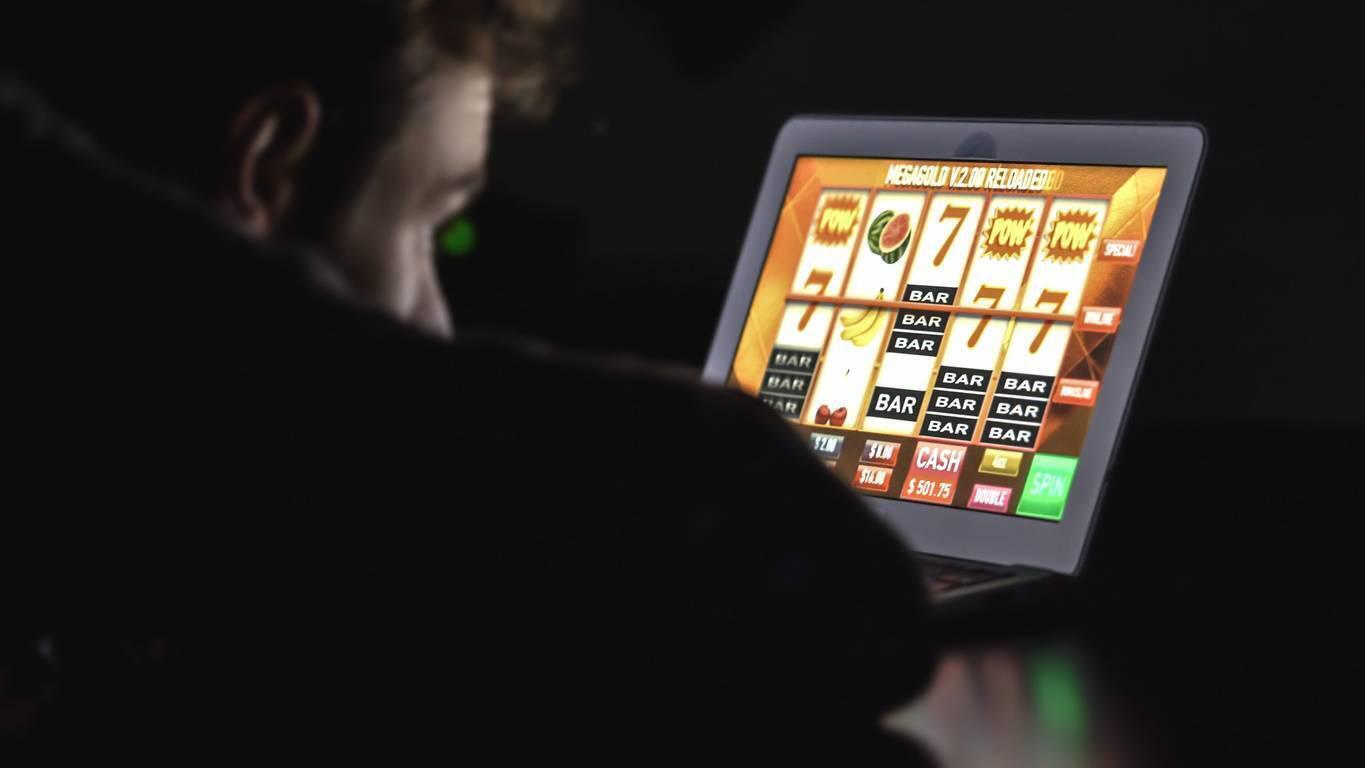
Gamblers Anonymous said it is seeing thousands of young people, particularly young men, attending more than 150 meetings nationwide since Covid-19. File picture: iStock
The number of young people aged 18-25 needing to access addiction services for gambling has “exploded” in recent years.
Gamblers Anonymous said it is seeing thousands of young people, particularly young men, attending more than 150 meetings nationwide since Covid-19, amid a rise in online gambling.
Paul, a PRO at Gamblers Anonymous, said the gambling landscape began to change in 2015 with the growth of smartphones and online betting
"You’ve literally got a casino in your pocket nowadays, and it’s a difficult thing to deal with,” Paul told RTÉ's on Thursday.
Read More
“Some people will come in, and they’re not too bad, things are not too bad. Then people will come in, and they’re homeless.
“The nature of the disease is that it’s very difficult for some people to stop gambling. So even faced with homelessness, some people struggle to stop.
“It is a very insidious disease, and it is across the spectrum. And a lot of people don’t just gamble for money, they can be gambling, god forbid, with their lives,” Paul added.
Paul said that while most attendees are young men, Gamblers Anonymous has also seen a growing number of women attending meetings.
“It would seem, listening to members, that the gambling companies are targeting females, and that would kind of lead us to believe that that’s the reason for females coming into our rooms,” he said.
“An extraordinary thing we have also seen in the last three to five years is that a number of people also present with a shopping addiction, which is kind of associated with gambling."
Martin — not his real name — said he started betting while in Transition Year.
“I would have been 15, and realistically, what would have happened was I would have been saving my lunch money from Monday to Friday to put a bet on a Saturday. And that's when I would have started gambling properly, to be honest," Martin said.
“It just spiralled on. I would have gone into 5th year, and I would have kind of got my first big win that summer. It was the Chelsea-Man City Champions League final.
“And then in 6th year, I would have been 17, and all my mates would have been 18, and I would have started online betting on their accounts and the same with college then.
“It just would have kept on spiralling. I would have got a lump sum of inheritance, and I just would have kept on going."
The young man said the peak of his addiction “consumed him” and he found himself gambling 24 hours a day, from “the minute I woke up until the minute I had no money left”.
He added that while he sometimes gambled in casinos and bookmakers, most of his betting took place online.
Martin said he was not willing to change at the time, but things shifted after he went on a holiday with friends.
“I was in a good bit of debt, and I came home, and I got into a position where I was able to pay basically all my debt back,” he said.
“And within a few days, I was back in a large sum of debt again, and it was glaringly obvious that I needed help to everyone around me.
“So I just had to go and tell me, tell my parents what was going on, and I went and got some help,” Martin added.
Colin O'Gara, head of addiction services at St John of God Hospital, said the concept of “having a casino in the pocket” has “certainly changed the landscape in terms of availability”.
“Prior to that explosion of availability online, we would have dealt with land-based issues, people going into bookies.
“But really, the sophistication of the product and then the constant kind of advertising, again incessant advertising, is particularly towards young men,” Mr O’Gara said.


CONNECT WITH US TODAY



Be the first to know the latest news and updates