Property price rises slow but Middle East conflict could spark higher inflation, expert warns
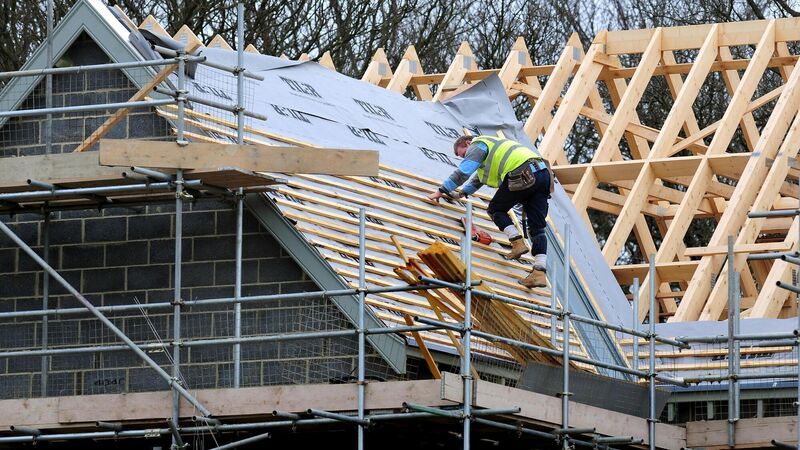
Trevor Grant, chair of Irish Mortgage Advisers, said the ongoing conflict between the US and Iran could exacerbate already sky-high building materials inflation.
Property prices across the country slowed slightly in February, but experts warn the reprieve could be short-lived as long as the conflict in the Middle East remains unresolved.
Prices for houses and apartments were up 6.8% across the month, according to the Central Statistics Office (CSO), cooling slightly from the 7% seen in the 12 months up to the end of January.
That cooling was most noticeable in Dublin, where the rate of inflation dropped from 6.1% to 5.6%. Elsewhere in the country, however, prices were up 7.8%, a slight jump on the 7.7% seen in January.
While the overall rate of increase has been tempered slightly, the latest residential price index shows no end in sight to the relentless rise in property costs.
The largest growth in house prices outside of Dublin was in the Midlands, where the numbers increased by 15.3%. At the other end of the scale was the South-West, where prices in Cork and Kerry rose by just 4.2%.
Addressing the latest figures, Trevor Grant, chair of Irish Mortgage Advisers, said the ongoing conflict between the US and Iran could exacerbate already sky-high building materials inflation.
“While the rate of house price growth has eased, this softening could be short-lived if the conflict in the Middle East is not resolved soon,” he said.
Mr Grant said the “trickle-down impact” of high oil prices should not be discounted.
"However, the recent and ongoing surge in oil prices could drive building materials inflation even higher and, in turn, further push up house building costs — as well as Irish house prices,” he added.
The latest index shows the median price of a dwelling purchased in the 12 months to end February was €390,000, level with January.
The highest median price paid for a home by eircode was the €841,250 seen in Blackrock in south Dublin — the third successive month in which that was the case — while the most expensive region was once more Dún Laoghaire-Rathdown, also in south Dublin, with a median cost of €681,500.
Elsewhere, the lowest price by eircode was, again not for the first time, Castlerea in Co Roscommon, with a median price of €153,000.
The consistent rise in prices continues to be driven by an outsize increase in apartment prices, particularly outside Dublin, with sale costs for such dwellings in the rest of the country up by 13.2% compared with 7.5% in the capital.
Prices across the country remain some 25.2% ahead of the highest levels seen during the most recent property bubble noted in the State, seen just before the financial crash in April 2007.
That statistic is slightly skewed by region, however, with prices in Dublin just over 10.2% higher than at the height of the Celtic Tiger, while that figure is 27.9% for the rest of the country, indicating both the market is close to saturation point in Dublin, and the problems represented by a lack of housing supply countrywide are now disproportionately affecting the rest of the country.
The CSO said there were 3,370 dwelling purchases in February, with a total transaction value of €1.47bn, up from the 3,245 purchases noted exactly a year prior.


CONNECT WITH US TODAY



Be the first to know the latest news and updates