Liver disease to affect 1.8 billion people worldwide by 2050, study suggests
Liver disease to affect 1.8 billion people worldwide by 2050, study suggests

There are now 1.3 billion people worldwide living with MASLD, the latest estimates suggest, a 143% increase in just three decades. About one in six people — 16% — are affected.

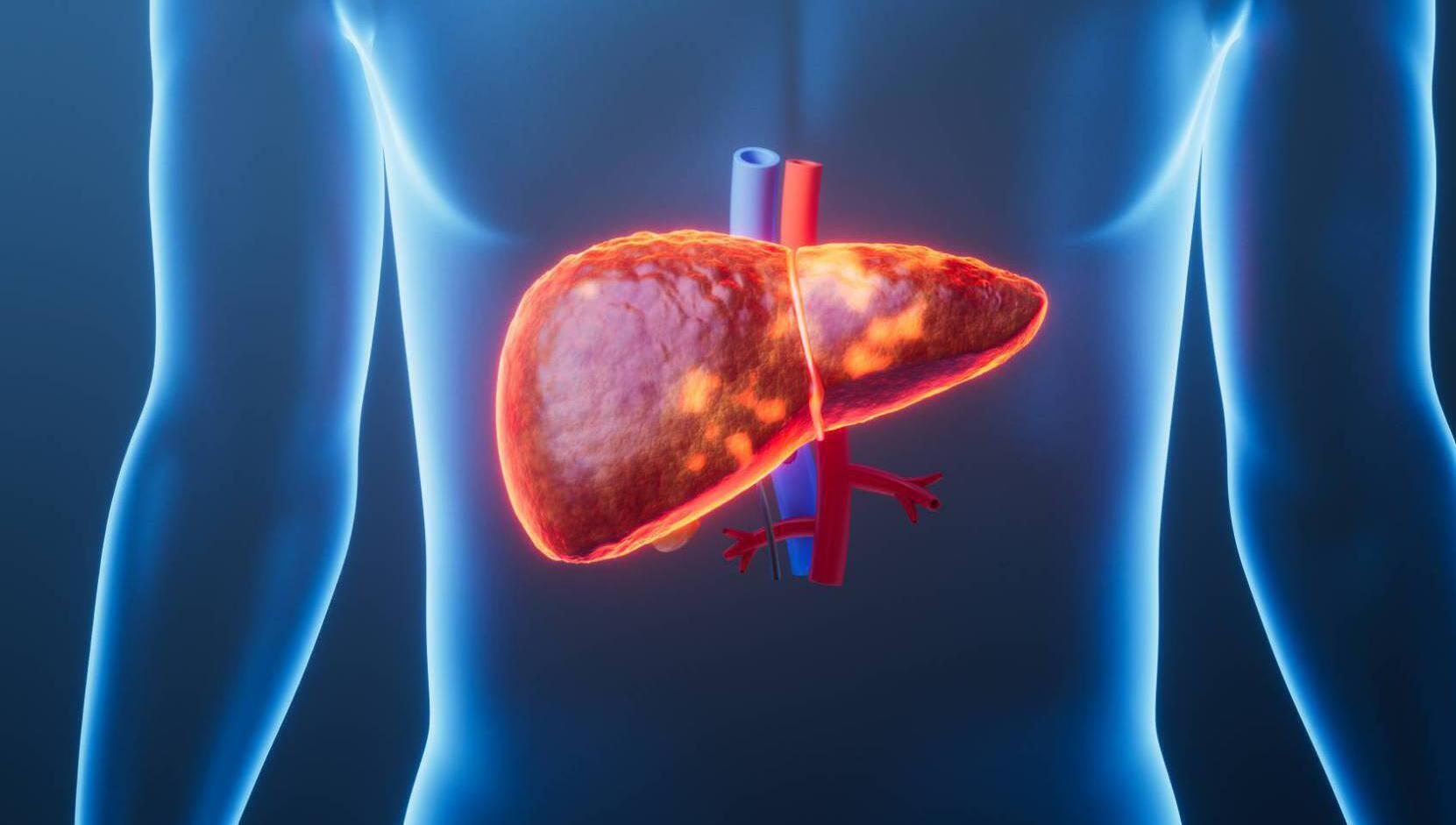
Metabolic liver disease will affect 1.8 billion people worldwide by 2050, driven by rising obesity and blood sugar levels, a study suggests.

Metabolic dysfunction-associated steatotic liver disease (MASLD), previously known as non-alcoholic fatty liver disease (NAFLD), is one of the most prevalent and rapidly growing liver conditions globally, according to the research.

There are now 1.3 billion people worldwide living with MASLD, the latest estimates suggest, a 143% increase in just three decades. About one in six people — 16% — are affected.

The findings were published in the Lancet Gastroenterology & Hepatology journal.

The condition’s prevalence is projected to climb even higher, primarily driven by global population growth in combination with changes in lifestyle, such as rising obesity and high blood sugar levels.

In 1990, there were about 500 million people living with MASLD. By 2023, that figure had risen to 1.3 billion. MASLD is projected to affect 1.8 billion people by 2050, a 42% rise from 2023.

MASLD was more common in men than women and had the highest prevalence rates in older adults aged between 80 and 84. However, the largest number of people affected were younger — around the ages of 35 to 39 in men and 55 to 59 in women.

High blood sugar was the leading driver of MASLD-related health problems globally, followed by high BMI and smoking, highlighting strong links to type 2 diabetes and obesity.

In the UK, the prevalence rate increased by a third — 33% — between 1990 and 2023, the biggest rise in western Europe.

The prevalence rate grew by 30% in Australia and 22% in the United States.

The study also found that although more people were developing the disease, the overall impact on health — measured in years lost because of illness or death — was stable.

That suggested advances in treatment and care were helping people live longer and healthier, and that the increase in the number of cases was mostly happening in the early stages of the disease.

However, the growing number of cases still means many people are at risk of developing serious complications such as liver cirrhosis or cancer in the future.

The Guardian

x

More in this section

Lunchtime News

Newsletter

Get a lunch briefing straight to your inbox at noon daily. Also be the first to know with our occasional Breaking News emails.

Cookie Policy Privacy Policy Brand Safety FAQ Help Contact Us Terms and Conditions

© Examiner Echo Group Limited