Groups criticise draft strategy for not referring to link between drug use and poverty, inequality
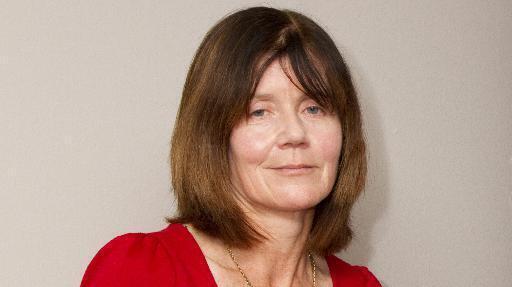
Anna Quigley said the future role of the Drug and Alcohol Task Forces is to be determined by the HSE on the basis of what kind of structure 'best suits' the HSE’s own requirements, rather than the needs of communities.
Three community drug networks have described the draft National Drugs Strategy as “fundamentally flawed”.
The organisations, representing local community drug projects, family support groups and a body representing users of drugs, strongly criticised the proposed strategy, which covers the period 2026-2029.
The three groups — Citywide, Family Addiction Recovery Ireland (FARI) and Uisce — are holding a joint press conference today to highlight their concerns.
Read More
They say the draft document fails to reference the “well-established link” between poverty, inequality and drug-related harms.
They said this admission has resulted in a series of “inappropriate and damaging assumptions” about how the next National Drugs Strategy should be implemented. The draft strategy is currently open for public consultation, due to close on April 10.
At a briefing for policymakers and community representatives in Buswells Hotel today, the three networks are calling for significant changes to be made to the draft strategy in the consultation process.
Anna Quigley, Citywide’s co-ordinator, said: “We cannot afford a National Drugs Strategy that does not work given that 11,086 people have been recorded as having died from drug-related causes in the period 2004-2020 — deaths that could have been prevented.”
She said that while there is a wider level of drug use across society in general, and people in all parts of the country require access to services, the worst impacts of drug-related harms continue to be concentrated in the most disadvantaged and marginalised communities.
“This analysis is clearly reflected in the report of the Citizens’ Assembly and its core recommendation that drugs misuse needs to be addressed as part of a broader socio-economic strategy," she said.
“Yet the Draft National Drugs Strategy makes no reference to this crucial evidence and to the link between poverty, inequality and drug-related harms. This, in our view, is a fundamental flaw that leads to a series of inappropriate and damaging assumptions about how the next NDS will be implemented.”
Ms Quigley said the voice of the communities most affected by drugs have been “written out” of the draft strategy while the future role of the Drug and Alcohol Task Forces is to be determined by the HSE on the basis of what kind of structure “best suits” the HSE’s own requirements, rather than the needs of communities.
“What we need to do instead is to use the opportunity to address these community needs by revitalising the task forces’ role as a core part of our National Drugs Strategy in delivering local plans based on strong community engagement and interagency collaboration,” she said.
Ms Quigley highlighted a number of other concerns about the fundamentally flawed approach set out in the draft strategy:
- Failure to recognise or acknowledge in “any way” the unique and essential role of community drug projects that are on the ground delivering targeted supports and interventions in communities and working in collaboration with a wide range of statutory agencies and voluntary partners;
- The trend of centralising decision-making and weakening independent participation by community groups and representative organisations is “accentuated” in the draft strategy.
- The departments of Health and Justice are working on the details of a Health Diversion Approach without any formal engagement with the representative voices of people who use drugs;
FARI’s Mick Mason said the experience of families also needs to be heard and understood so that they are supported around their own specific circumstances which are often "hidden" from the rest of the world.
“The cost of a family member’s addiction impacts basic needs, creating a cycle of dependency that families struggle to escape,” he said.
Uisce’s Andy O’Hara said the draft strategy treats people who use drugs as “mere service users”, whereas, he said, users are citizens, parents, workers, and members of communities who deserve to be treated with dignity and to have a real say in the policies that affect their lives.
“It is crucial that the consultation process which is currently underway results in fundamental changes to the draft National Drugs Strategy that more accurately reflect the overarching recommendation of the Citizens Assembly on Drugs,” he said.
“In addition, the Government should prioritise drugs misuse as a policy priority, as part of an overall socio-economic strategy and with oversight at the highest level through a Cabinet sub-committee.”