No surge in new patients as free HRT scheme costs €14m in first four months
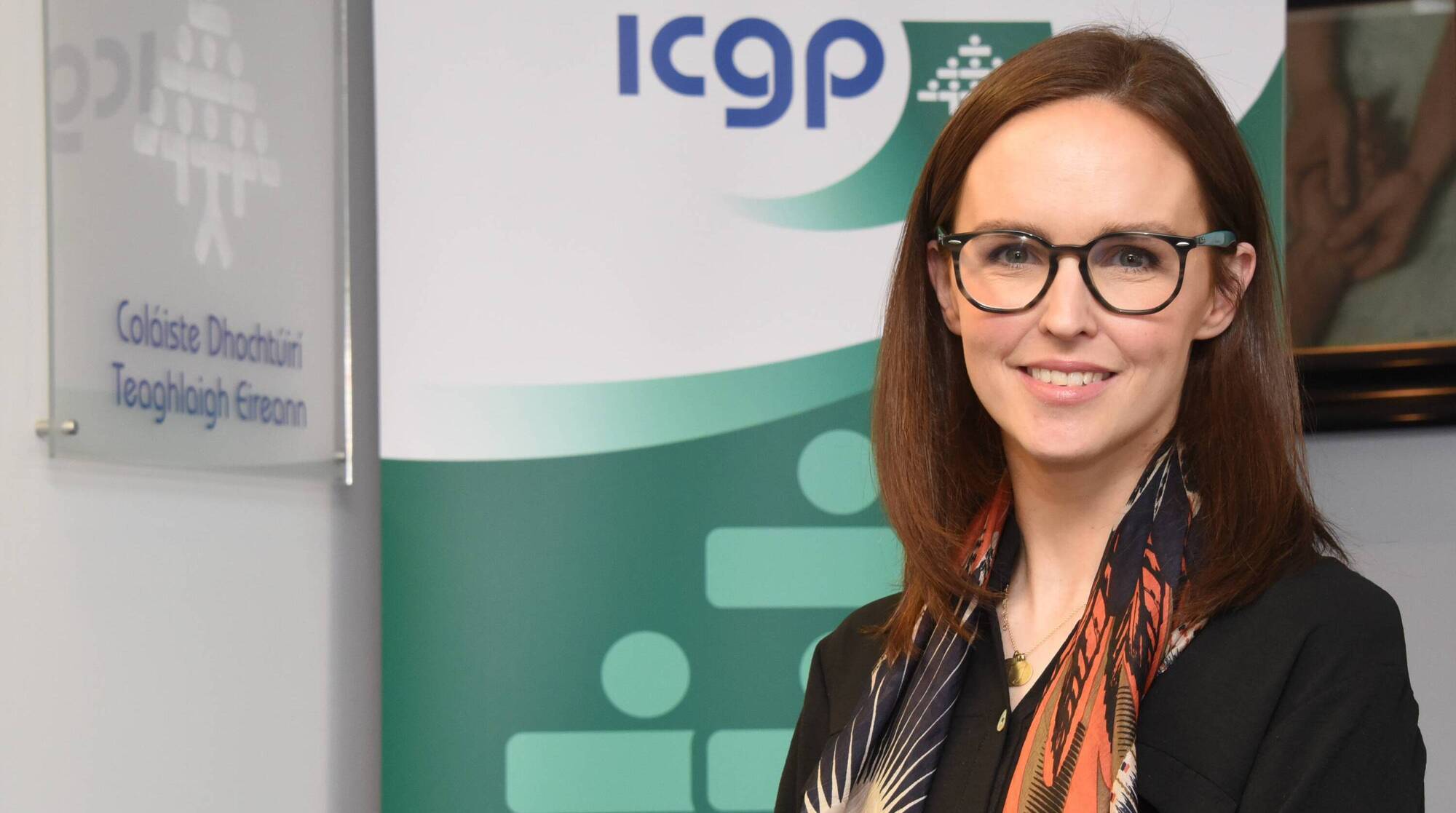
Dr Ciara McCarthy, a GP in Cork City and clinical lead in women’s health with the Irish College of GPs, suggested it is 'probably too early' to say whether the plan will increase HRT uptake.
The first four months of the free HRT scheme last year cost just over €14m, figures show, although GPs have not seen a surge of new patients.
When the scheme was first announced it came with a budget allocation for a €20m full-year cost investment for last year. However, it only opened in June after questions were raised around how it would roll out across pharmacies.
Some €14,082,784 was spent on products between June and September, the latest available data from the HSE drug payment scheme shows. The cost for pharmacy drugs and products includes ingredients, fees, and Vat.
A one-off grant to pharmacies of €2,000 each came to €3,748,000, indicating around 1,800 pharmacies applied. A further €4,871,315 was spent on HRT for women with medical cards — this is a separate, pre-existing scheme.
This brings the total spend on HRT for June to September last year to €22,702,100.
Dr Ciara McCarthy, a GP in Cork City and clinical lead in women’s health with the Irish College of GPs, suggested it is “probably too early” to say whether the plan will increase HRT uptake.
“In my own practice, I don’t feel we have seen much of an uptick in the last six months, rather a continuation of the increased awareness among women about the signs and symptoms of menopause and perimenopause, and the resulting increase in menopause care provided by GPs,” she said.
The plan “certainly goes a way towards removing one of the barriers to accessing HRT,” she said.
The data shows tablets and caps are the most requested products for all women. In the free scheme the number of items came to 432,809 at a cost of €5,627,669. It is not possible to compare products directly because they are used at differing rates.
“While the number of tablets/capsules prescribed is high and no breakdown is given, the majority likely relate to the widespread use of oral progestogens, particularly micronised progesterone,” said Dr McCarthy.
“The vast majority of oestrogen prescribed is transdermal, which means it is given through the skin in the form of a patch, gel, or spray.” This is linked to a change in prescribing practices supported by all international guidelines, she explained.
Some 225,335 patches were ordered, at a cost of €3,205,016. Pumps were also popular with 107,129 dispensed at a cost of €1,329,560. Pessaries (6,134 dispensed) and IUD packs (5,332 dispensed) were ordered in smaller numbers.
The pattern is similar for medical card orders.
CONNECT WITH US TODAY



Be the first to know the latest news and updates