Average weekly earnings top €1,000 for first time since 2008
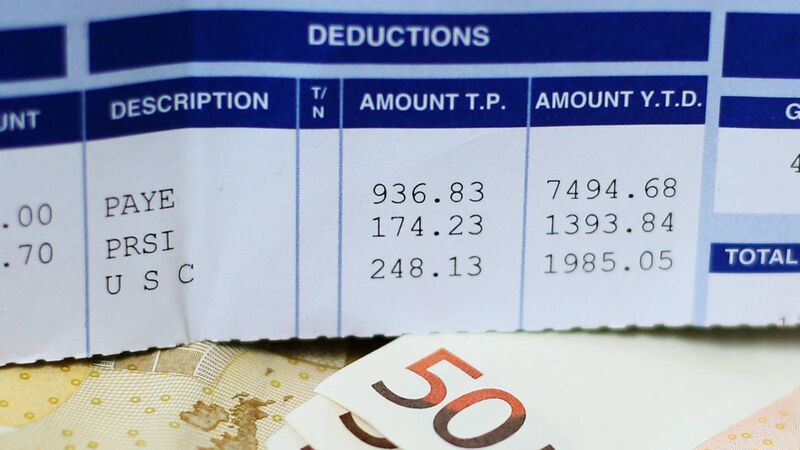
Average hourly earnings also grew across all 13 economic sectors over the last 10 years, according to the CSO.
Average weekly earnings for workers in Ireland surpassed the €1,000 mark for the first time since 2008, according to the Central Statistics Office (CSO).
As of September 2025, average weekly earnings were €1,003.81, which is up by €311.02, or 44.9%, when compared with 10 years earlier in September 2015.
Average hourly earnings also grew across all 13 economic sectors over the last 10 years, the body noted.
Highlights of 2025 told through CSO Datahttps://t.co/M2rsP8uERE#CSOIreland #Ireland #StatisticalYearbook #Statistics #YearInNumbers pic.twitter.com/SZ6Txp58rA
— Central Statistics Office Ireland (@CSOIreland) January 5, 2026
But while people are, on average, being paid more, they are also paying more for their basic goods, with one of the only staple food items to fall in price last year being the cost of a 2.5kg bag of potatoes.
Looking at the national average prices of some staple items in its annual Year in Numbers report, the CSO noted that, as of last November, the price of a kilo of sirloin steak was up by €5.06 on the November 2024 price.
The price of dairy products were all up on November 2024 prices, with Irish cheddar cheese up 62c, a pound of butter up 55c and full fat milk up 11c.
Potatoes bucked the upward price trends by costing 22c less.
The report noted rising food and energy prices were among the key drivers of growing inflation last year.
Food prices rose 5.1% in August 2025, the highest since December 2023, and about one and a half times the overall inflation rate.
The Consumer Price Index (CPI), Ireland’s official measure of inflation, also rose steadily over the course of the year.
In January 2025, the rate of inflation was 1.9% and remained around the 2% mark for most of the year, before increasing in September to 2.7% and peaking at 3.2% in November 2025.
Between January 2025 and November 2025, food prices rose by 3.8% and energy prices by 2.6%.
Other key contributors to inflation over this period were eating out in restaurants and cafes — up 3%, and rents up 2.4%.
As well as food prices rising, so too did property prices.
Residential property prices rose by 7.3% in the 12 months to October 2025, putting the median or mid-point price of a dwelling at €381,000 over that period.
There were 24,325 new dwelling completions in the first nine months of 2025, which was an increase of 13% on the same period in 2024.
The report also notes households saved €1 in every €7 of disposable income between July and September 2025, higher than the average saved in 2023 and 2024.
The report also found some 57% of all new private cars licensed up to November 2025 were electric, plug-in hybrid, or hybrid.
The population in Ireland also rose by 78,300 people, and stood at 5,458,600 people as of April 2025.
Exports of goods hit a record level of €38bn in March, 2025 of which medical and pharmaceutical products accounted for €23.5bn.