Sizable rise in children using AI chatbots and seeing content that 'bothered' them, report says
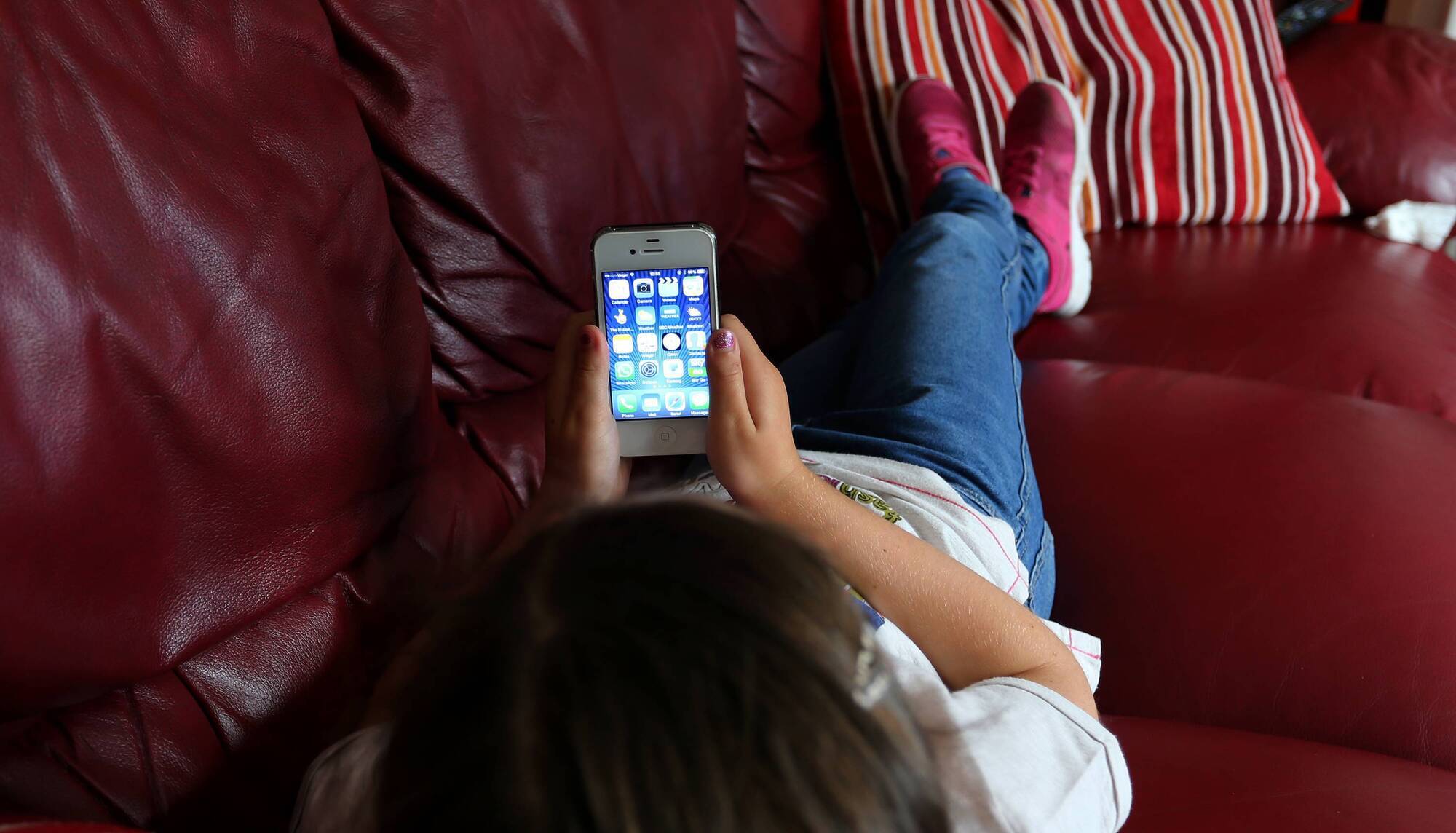
Smartphone ownership has declined among 8- to 12-year-olds over the last four years. File photo
Over a third (36%) of children aged 12-15 are using artificial intelligence chatbots to act as a friend, to help them with their homework and to access information, a new survey has found.
Furthermore, over a quarter (26%) of primary school children aged 8-12 are using AI in the same way with little safeguards according to online child safety charity CyberSafeKids. Over a quarter of children reported seeing content or having unsolicited contact online that “bothered” them.
This included exposure to horror, violence, sexual content, threats and scams.
“We are still struggling to effectively regulate social media, and those same mistakes are being repeated with the unchecked rise of generative AI,” CyberSafeKids CEO Alex Cooney said.
“With few safeguards in place, and chatbot technology increasingly embedded in the apps children use, we are exposing them to misinformation, privacy violations, and harmful advice.”
Its latest report, A Life Behind the Screens, is based on survey results from over 9,000 children in the last academic year.
It found a sharp rise in the use of AI chatbots in the last year, rising from 5% to 26% for 8- to 12-year-olds and from 12% to 36% for 12- to 15-year-olds.
In terms of which platforms are drawing children in, online game platform Roblox was the most popular for 8- to 12-year-olds with 63% of children in this age group using it.
For 12- to 15-year-olds, Whastapp was the most popular with 88% of children using it.
CyberSafeKids said that, despite regulation in this space, age verification is still highly ineffective with 71% of 8- to 12-year-olds using apps meant for those aged 13 and over such as Youtube (60%), WhatsApp (29%), Snapchat (25%) and TikTok (23%).
Smartphone ownership, meanwhile, has declined among 8- to 12-year-olds over the last four years falling from almost half (49%) to 39%. Ownership of tablets and games consoles, however, has increased.
In terms of content that bothered them, children in the younger age group reported big increases from Roblox and YouTube. This included sexualised behaviour and harassment by bad actors on Roblox, as well as disturbing content on YouTube Shorts.
TikTok (51%) and Snapchat (40%) were the most common apps in which 12– to 15-year-olds encountered harm.
Meanwhile, those who participated in group chats on WhatsApp were more likely to have experienced cyber bullying than those who did not.
Dr Barry O’Leary, principal of St Kevin’s National School in Sallynoggin in Dublin, said: “Disturbingly high levels of harmful online experiences persist — made more so by the fact that over 75% of children have unfettered access to online content in their bedrooms - and over half of children have not spoken with their parents about online safety in the past year.
“These conversations are not optional but urgent, they are not a luxury, but a necessary lifeline against the surging torrent of digital content to which children are exposed daily.”
Ms Cooney, meanwhile, called for strong regulation in Ireland and Europe aimed at the likes of recommender systems on social media and oversight of AI chatbots.
CONNECT WITH US TODAY



Be the first to know the latest news and updates