Many girls in Ireland still miss out on STEM careers due to legacy issues
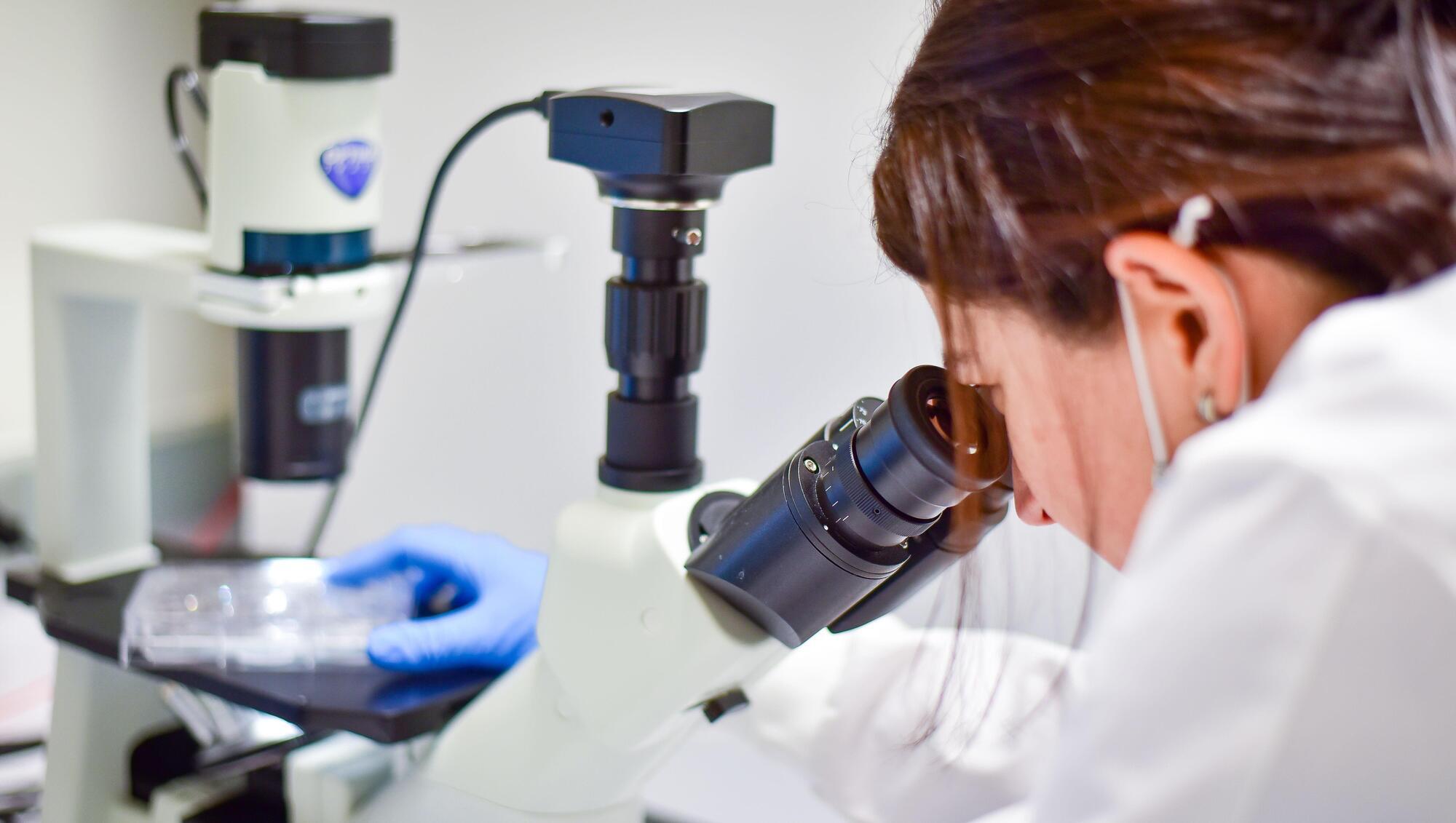
More women are needed in Stem careers, Gillian Keating believes, especially in light of rapid advances in AI tech such as Grok or chatbots.
Many girls are still missing out on careers in science, technology, engineering, and maths (Stem) due to legacy issues and a lack of investment, a co-founder of IWish has warned.
Gillian Keating, an adjunct professor in the College of Business and Law at University College Cork (UCC), said Ireland risks excluding many young women from the industries of the future.
Ms Keating was speaking ahead of the IWish annual festival, which will see 4,000 girls attending sessions and talks at the RDS on Thursday.
The group’s latest annual survey found access to stem subjects at second-level institutes still remains unequal. Just 5% of girls from single-sex schools reported access to construction studies, 6% to engineering, and 20% to technology.
The gap still exists due to legacy issues and a lack of prioritised investment, Ms Keating said.
“The gap came originally due to traditional ways of thinking about ‘girls' careers’ and ‘boys' careers’, and there is still a legacy of that for sure but there’s no excuse for that kind of thinking today.
“As a direct result of those choices, we are limiting young girls. Then you are wondering why you only have three or four girls in an engineering class at college.”
IWish was founded 12 years ago.
“When we started IWish, we thought it was about a lack of information," she said.
"We thought they didn’t have enough information available to them in Stem, but its a lot more than that. Its a result of societal choices that we have made about where we want to invest our money.”
More women are needed in Stem careers, she believes, especially in light of rapid advances in AI tech such as Grok or chatbots.
The AI industrial revolution is missing a "big chunk of the workforce", she added.
“When you look at it, women currently make up approximately one third of the AI workforce. We also know that women are less likely to use ChatGPT than men who are in the same occupations.
“We’re now handing over control of our lives in so many facets to artificial intelligence, but we have one stream predominating the coding, the design, the implementation of those AI solutions.
"I do wonder if we would have AI outputs like we have seen in the last while if we had more women engaged in the design of those bots and AI systems."
Women are also more likely to be in jobs that will be automated, and less likely to have the digital skills needed to participate in the "economies of the future", she added.
- Jess Casey is the Education Correspondent with the

CONNECT WITH US TODAY



Be the first to know the latest news and updates