Warning over threats from hostile states as 'agent Cobalt' controversy deepens
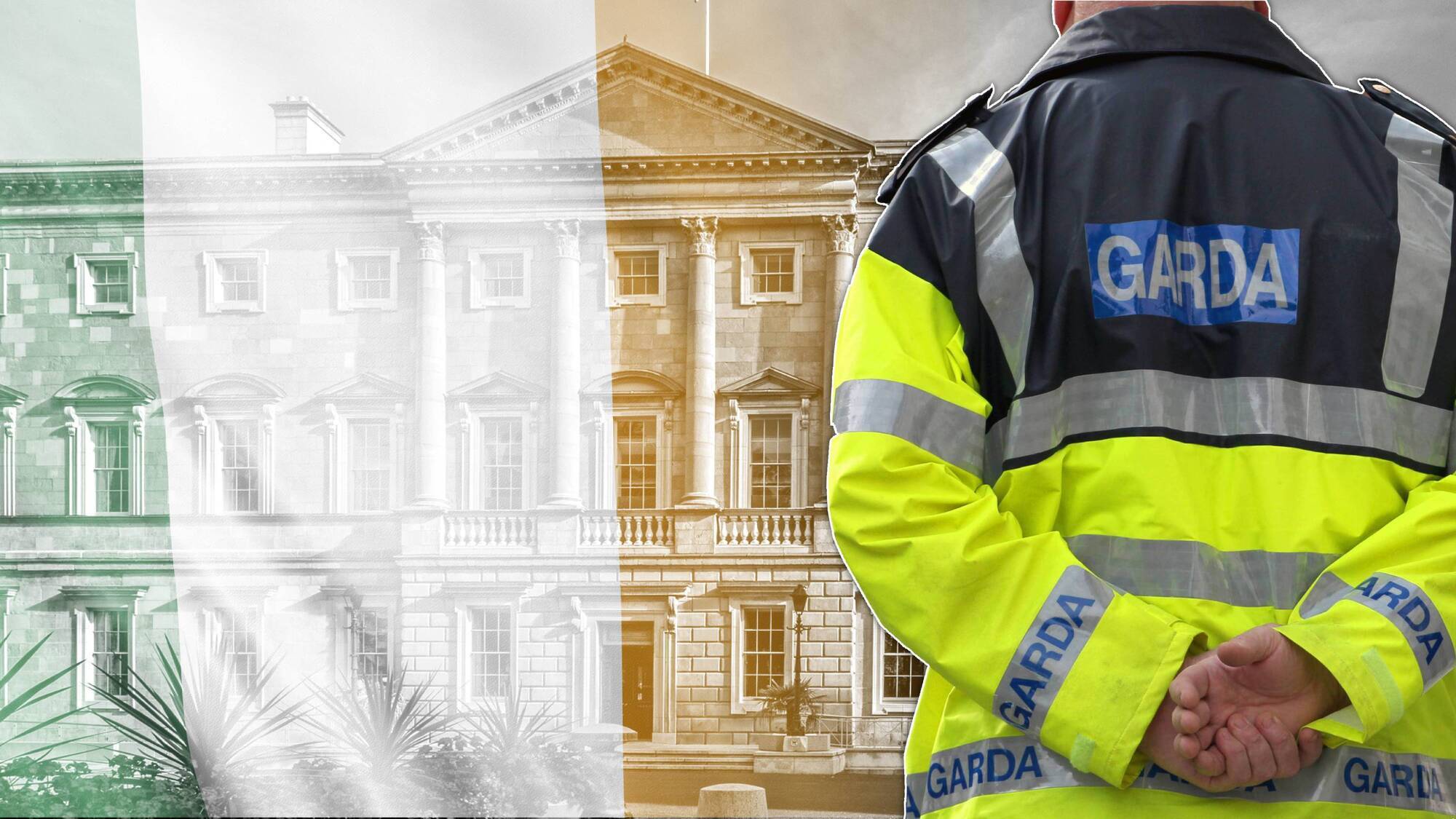
The warning on hostile states targeting State policies and political information comes as the so-called ‘agent Cobalt’ controversy deepened over the weekend.
The threat to Ireland from hostile states seeking information — including on policies and political information of the State — “is ever present”, the Garda security service has warned.
The Garda Annual Security Services Plan 2025 says Ireland is facing an “increasingly diverse range” of threats — from terrorism, violent extremism and subversion as well as espionage and sabotage.
The plan is the first standalone Garda document on the internal security service, with only brief statements included in annual Garda policing plans up to now.
The warning on hostile states targeting State policies and political information comes as the so-called ‘agent Cobalt’ controversy deepened over the weekend.
stood by its report last October which stated that Irish military and garda security services were monitoring a politician in the Oireachtas who had been “recruited by Russian intelligence as an agent of influence”.
The security plan, drawn up by the Garda Security & Intelligence Service, said of the threat to Ireland from hostile state actors: “The threat from these actors, intent on obtaining information on intellectual property, as well as policies and political information of the State, is ever present.”
Yesterday, said that, according to security sources, the alleged value of ‘agent Cobalt’ was not to access classified material but to “influence narratives, delay policymaking processes, and sow confusion” in political and security structures.
The article follows reports in on Tuesday, which stated there was “no Agent Cobalt” and that a garda investigation had “exonerated” him. It suggested the politician was “sent confirmation” of this in writing.
This prompted an unusual move by Garda Headquarters, which issued a formal statement on Tuesday saying that there was an “ongoing active criminal investigation” into this matter.
On Friday, quoted details from what it said was a document that was drawn up following meetings between the Garda Special Detective Unit (SDU) and legal representatives of the politician.
It said the document “unequivocally states that the politician has no case to answer”.
The understands the purported “memorandum” was drafted by legal representatives using minutes taken at a meeting, and that it names who was present, including allegedly from the SDU.
The authenticity and accuracy of the document and whether or not the SDU agreed to its contents are issues that are either not clear or disputed, with developments in this area possible.
Security sources told the last week that no letter was issued by gardaí clearing the politician and that no garda investigation would tell a suspect they were formally in the clear. They declined to comment on minutes of a meeting taken by third parties.
Separately, the security services plan said Ireland faces other threats. Referring to terrorist attacks in Europe, it said: “The proliferation of destructive ideologies poses a direct threat to the values of democratic society, corrupts vulnerable citizens, threatens lives and endangers the freedoms and norms that we have become accustomed to in a secure society. Ireland is not immune to such a threat.”
The plan said the security challenge posed by self-radicalised ‘lone actors’ as well as connected groupings or individuals displaying extremist and terrorist ideologies “present a potential threat to the security of the State and our people”.
The plan said gardaí continue to maintain “vigilance” in respect of violent political extremism and related activity.
“Security & Intelligence is cognisant that there is a rise in violent political extremism in Ireland and across Europe,” it said, adding that it worked with foreign security services on this matter.