Freely available nicotine replacement therapy raises rate of people who quit smoking
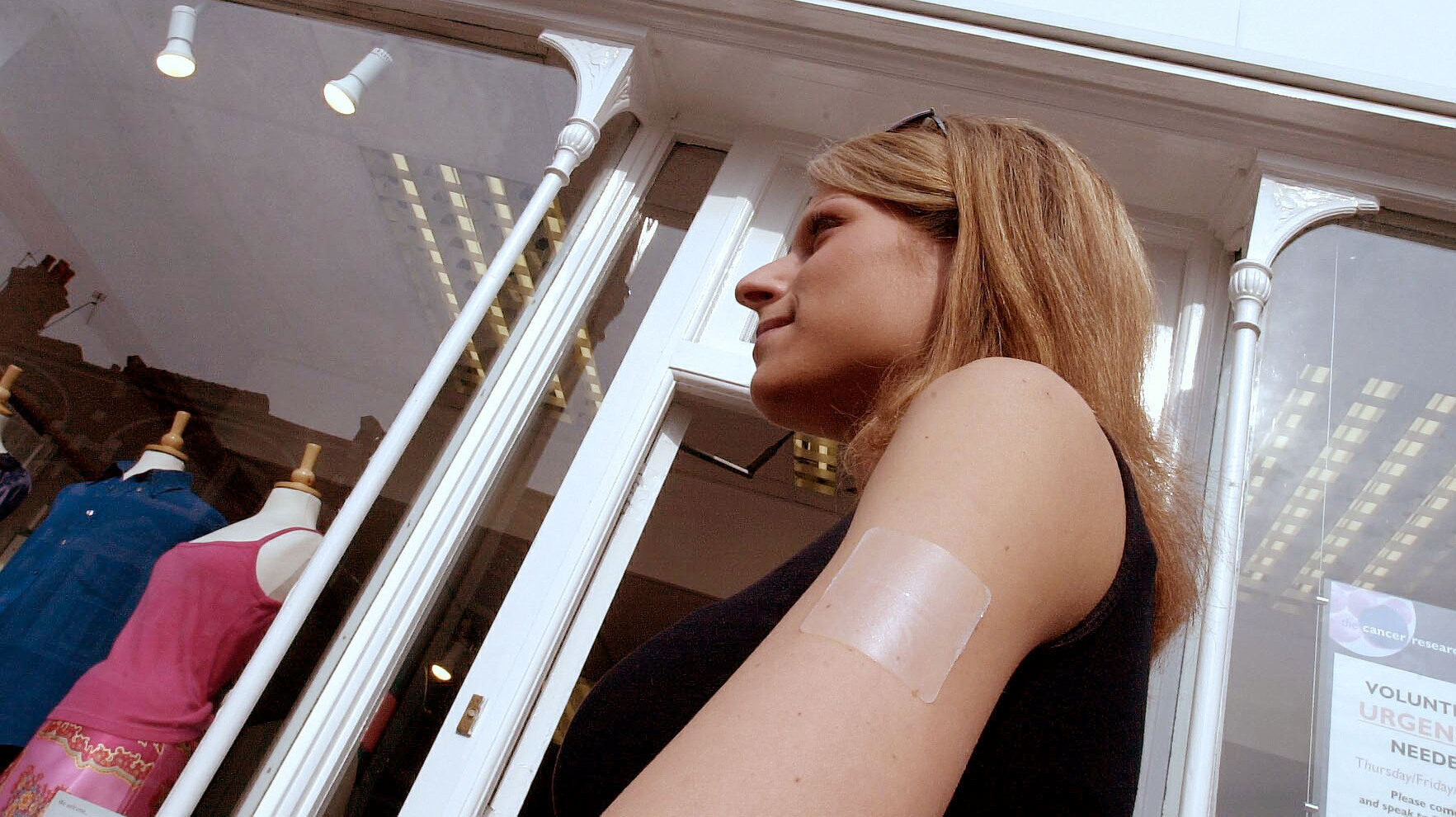
The results have led the authors of the study to claim that it shows the benefits of making a life-saving medicine freely available to smokers given the demonstrated effectiveness of NRT in its various forms of patch, gum, lozenge, spray and inhaler. File picture
Higher rates of people quitting smoking in Ireland have been found following the introduction of universal access to free nicotine replacement therapy in February 2023, according to the findings of new research.
The study by researchers from the HSE found 41% of smokers who had access to free nicotine replacement therapy (NRT) had quit smoking after four weeks compared to 29% when it was not freely available. After 12 weeks, the proportion of individuals who had stopped smoking with free NRT was 29% in contrast to 20% when it had to be paid for.
The results have led the authors of the study to claim that it shows the benefits of making a life-saving medicine freely available to smokers given the demonstrated effectiveness of NRT in its various forms of patch, gum, lozenge, spray and inhaler. The study involved analysing data on over 19,700 individuals for a 12-week period as they attempted to quit smoking using NRT.
It compared the status of people trying to give up smoking for a two-year period before the introduction of fully subsidised NRT in February 2023 and a 10-month period after it was made freely available to all users as part of the Tobacco Free Ireland Programme.
Since 2001, NRT has been free to medical card holders which limited its availability to around 30% of the general population. While NRT is well established as an effective smoking cessation aid, researchers said the financial cost of NRT may have acted as a deterrent to smokers who would otherwise benefit from such therapy.
Another key finding of the study was the increase in uptake of NRT once it was made freely available. A total of 9,185 smokers whose smoking status was recorded were registered with the QUITManager single national health information system in the two years before free NRT was introduced, while the figure increased to 10,532 for the 10-months after the initiative was implemented.
There was a greater proportion of women, older people, individuals from a minority ethnic background and those with other medical conditions who made use of free NRT. The study also found a small but statistically significant increase in the share of first-time quitters among people who enrolled in stop smoking services after NRT became freely available – 58% of all users – an increase of three percentage points.
It also noted a higher proportion of individuals who had been smoking for more than 20 years among all users under the free NRT scheme. The results showed 85% of those seeking to quit smoking with free NRT had been smoking at least 20 years compared to 53% beforehand.
The research, whose findings are published in the medical journal, , also found generally that women, retired and unemployed individuals, people living with other smokers and non-white Irish were significantly less likely to use NRT.
One of the study’s main authors, Peter Naughton of the HSE’s National Intelligence Health Unit, said the study’s findings highlighted the critical role of universal NRT access in promoting successful quitting of smoking.
He added: “The success of universal NRT access in Ireland represents a compelling call to action for international policy makers to ensure equitable access to this life-saving medication as part of comprehensive tobacco control efforts.”
The study by a team of researchers led by HSE officials noted that smoking is the largest preventable cause of death in the EU, accounting for over 780,000 deaths in 2019. In Ireland, 15% of deaths in adults aged over 35 years is attributable to smoking as well as 3% of all in-patient admissions to public hospitals.
Smoking prevalence rates in the Republic have declined from 23% in 2015 to 18% in 2023. However, the study noted that the decline has not been experienced evenly across Irish society as individuals in lower socio-economic groups are now over three times more likely to smoke than those in higher groups.
CONNECT WITH US TODAY



Be the first to know the latest news and updates