Gardaí made arrests for drink- and drug-driving once every hour last year, Garda Commissioner says
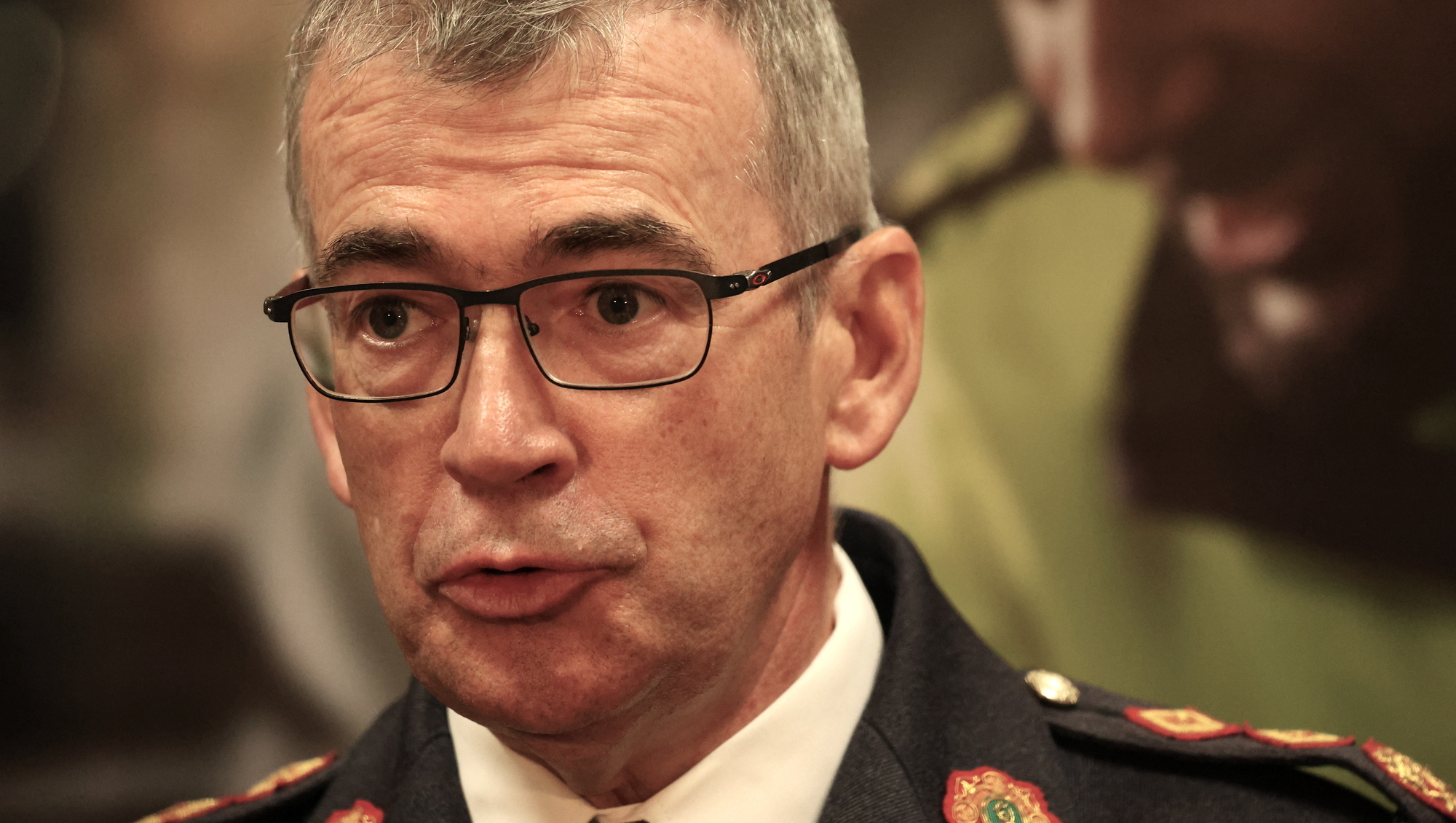
Garda Commissioner Drew Harris will tell the committee the number of fixed charge notices delivered to drivers for using their mobile phones while driving was up significantly, by 14%, in 2024 from the previous 12 months. Picture: Stephen Collins/Collins
Gardaí arrested a person driving under the influence of either drink or drugs on average more than once every hour in 2024, according to the Garda Commissioner.
Drew Harris is set to tell the Oireachtas Committee on Justice that more than 7,500 drivers were detained for driving while under the influence last year.
In terms of roads policing, he will tell the committee the recent death of Garda Kevin Flatley at a speeding checkpoint served “as a stark reminder” of the risks faced by gardaí on active duty, but also “put into sharp focus the dangers that exist on our roads today”.
Mr Harris, who is set to leave his role next September, will tell the committee the number of fixed charge notices delivered to drivers for using their mobile phones while driving was up significantly, by 14%, in 2024 from the previous 12 months.
Those increased statistics have come on the back of new enforcement measures employed on the roads, including the implementation of a mandatory 30 minutes of roads policing for every garda daily, mobile access to the driver insurance database being given to every member, and the use of unmarked vehicles, including a truck, for the detection of infractions.
The commissioner’s appearance at the committee comes at a time of some controversy for An Garda Síochána following a spate of recent incidents which are likely to be raised by members at the hearing.
They include the suicide by gunshot of 22-year-old Evan Fitzgerald — who had been facing trial for obtaining firearms illegally — and the fallout from the conviction of Richard Satchwell for the murder of his wife Tina, with Mr Harris last week acknowledging that in hindsight, despite remaining undiscovered for six years, the location of Ms Satchwell’s body seemed “obvious”.
Regarding Garda recruitment and retention, Mr Harris will say that over the past year the strength of the force increased by roughly 200 to 14,221, and there have been a number of “positive recent developments” regarding the issue.
He will cite the raising of the Garda retirement age to 62 from 60, along with the raising of the maximum age of new recruits to 50 as evidence of same.
Mr Harris will say the level of resignations, despite popular perceptions to the contrary, are low at just 1% of members in 2024, when 140 gardaí resigned, down 29 on 2023, while a “small, but encouraging, number of gardaí that had resigned have rejoined”.
He will say further the force’s recent recruitment competition was heavily subscribed, with 6,700 applications received, a statistic the commissioner will claim shows “the attractiveness” of a career with the gardaí.

CONNECT WITH US TODAY



Be the first to know the latest news and updates