Record low housing supply in Ireland as trade war threat clouds 2025 outlook
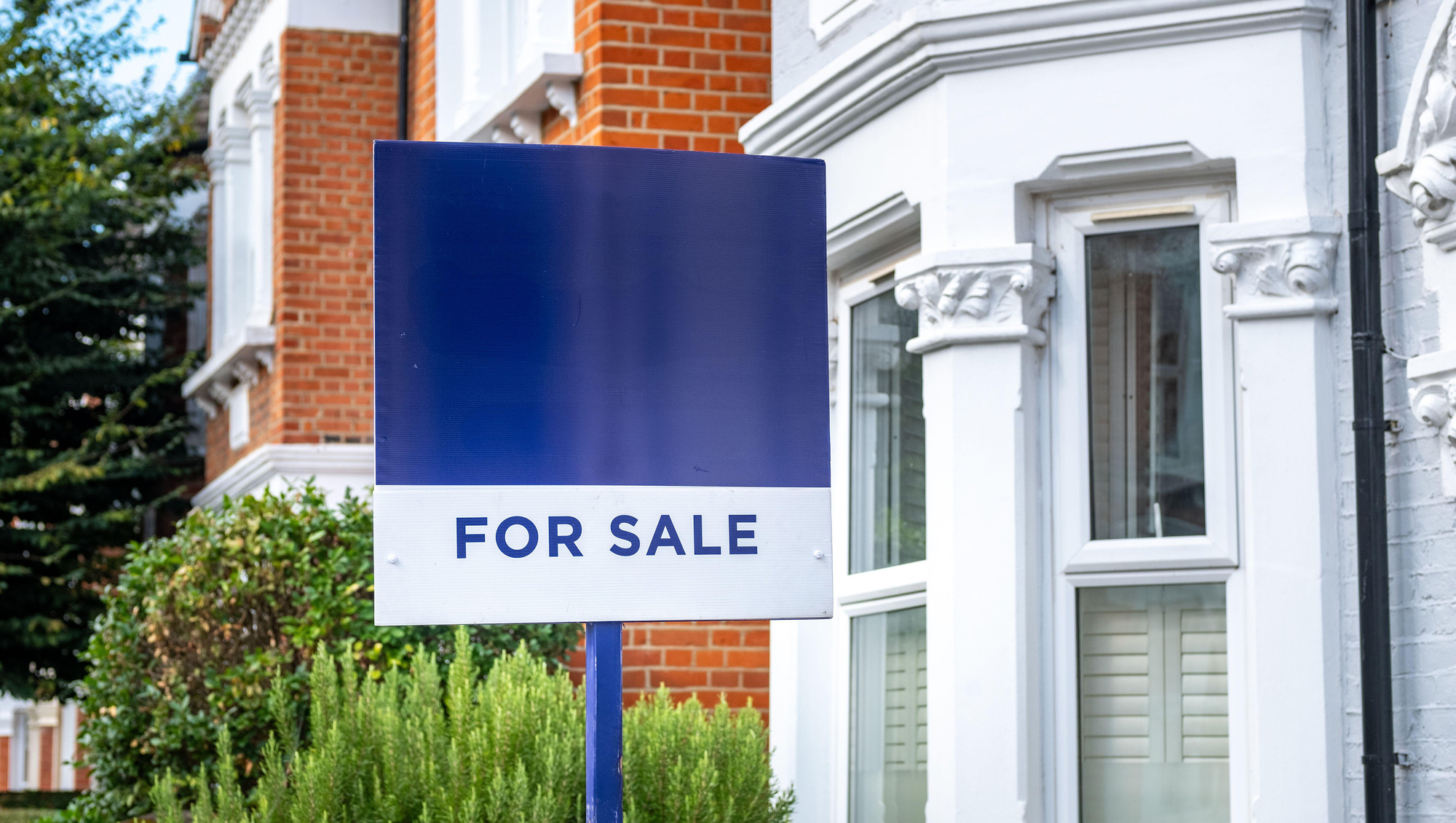
The survey found house prices increased by 8.1% in the 12 months to the end of March 2025, with that figure even higher outside Dublin — where it stood at 9.2%. Picture: Alamy Stock
The speed at which house prices are increasing could be slowed down by the prospect of a tariff war between the US and the EU, according to a report.
The latest survey by housing website myhome.ie says an “economic shock”, instigated by a trade war resulting from US president Donald Trump’s tariff policy, could see demand for housing dampened.
This is because Ireland’s stretched housing market has become so heavily influenced by “high-income earners working in multinational sectors”, the report said.
It estimated the expected growth in house prices nationally at just 5% for 2025.
It found, by contrast, prices increased by 8.1% in the 12 months to the end of March 2025, with that figure even higher outside Dublin — where it stood at 9.2%.
The median asking price for a home nationally is now €375,000, the study said, and varies from €450,000 in Dublin to €315,000 across the rest of the county.
“The risk here is that Ireland’s relatively thin, illiquid housing market — reliant on those at the top of the income distribution — could be exposed to a sudden negative 'economic shock', such as the risk of a US-EU tariff war,” said Bank of Ireland chief economist Conall MacCoille.
He said the effect will be especially pronounced should the shock “disproportionately hit employment in the high-paid multinational sector”, such as those working for big tech and pharma companies.
Should that shock not come to pass however, Mr MacCoille said the projected 5% jump in prices across 2025 could prove to be "conservative" given the “extent of the tightening housing market is still striking”.
The actual number of properties currently for sale in Ireland is just 10,800 — a new record low — indicating the supply crisis is still very much ongoing, with just one in every 200 properties in the country currently listed for sale.
The fact that the rise in house prices could stall somewhat in the wake of a global economic slowdown will also likely do little to aid prospective home buyers further down the financial food chain, with Mr MacCoille warning of increasingly "stretched affordability" in the market — meaning that, while wages are rising, the cost of property has risen even higher.
“The average Irish residential property transaction of €404,000 was an eight-times multiple of average annual earnings of €51,000,” he said, adding that those measurements indicate “the most stretched Irish house prices have become relative to income since 2009”.
The study further found that the average time for a sale to be agreed on a property was just 11 weeks over the first three months of the year — which is close to the lowest period of time ever recorded.
There was better news in terms of apartment completions, with 15,900 such properties under construction as of September of last year, indicating a pick-up in the number of projects in progress.


CONNECT WITH US TODAY



Be the first to know the latest news and updates