Autism study recommends system-wide changes to facilitate inclusivity in schools
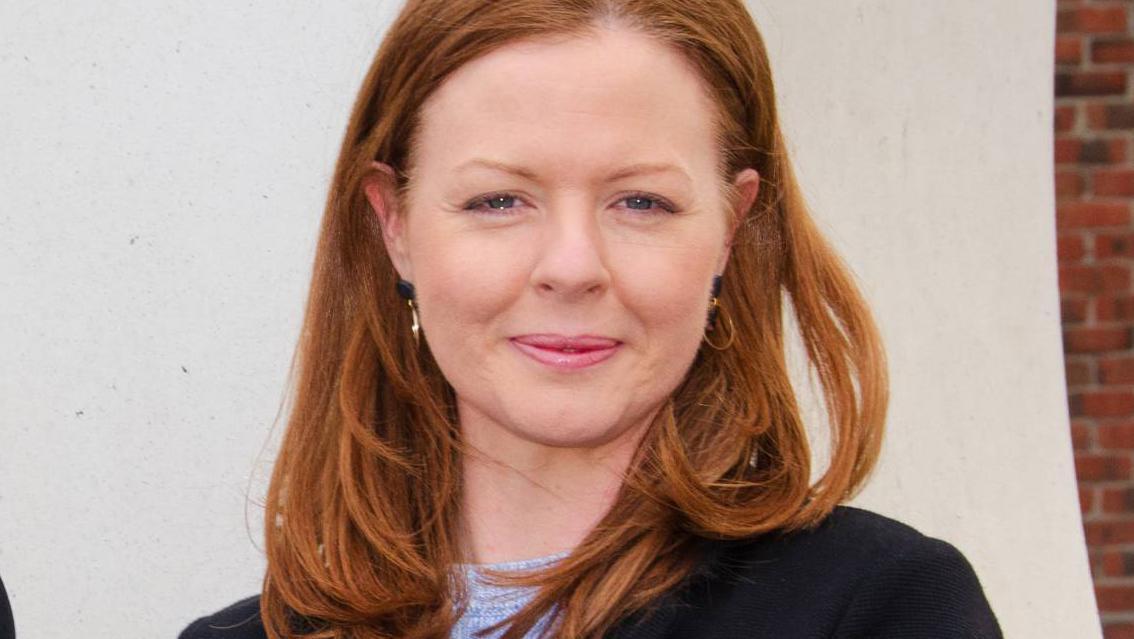
'Many autistic students talked of exclusion and significant distress in school, and this needs to be urgently addressed,' said report co-author, associate professor of psychology and early childhood education at the DCU Institute of Education, Sinéad McNally.
A study on the experiences of autistic children in Irish schools has found that just a quarter of their parents believe that the Irish education system is inclusive.
The study by Dublin City University’s Institute of Education examined the experiences of autistic pupils in 45 primary and secondary schools.
Several parents raised concerns that “mainstream contexts that did not meet the needs of autistic students had had significantly adverse effects on their child in terms of experiencing burnout, anxiety or distress, and ultimately exclusion from school”, according to the study.
Read More
It also said parents indicated that resourcing in mainstream schools and classrooms is a “significant barrier to autistic children’s full inclusion” in their local schools.
Parents also “highlighted inconsistent attitudes to inclusion among school staff, and inadequate or ineffective bullying policies as barriers to their child’s inclusion in education”.
The study recommended the introduction of system-wide changes “to ensure resources and structural supports are in place to facilitate inclusive practices in all schools”.
Read More
It also found that relationships with their teachers was ‘make-or-break’ for most autistic children and young people. They said the relationship was so pivotal to autistic students that there were seldom any neutral feelings towards teachers.
Staff resourcing and specialist in-class resources are needed, according to the authors.
The survey found that, in the case of primary schools:
- Only one in four parents, and just over one third of teachers, viewed the Irish education system as inclusive;
- Children who received more support reported more positive experiences at school;
- Many children described difficulties connecting with their classmates and finding shared interests;
- Homework was noted as a significant stressor for autistic children.
In relation to second-level schools:
- Young people highlighted a fear of exclusion and being discriminated against and stigmatised;
- Autistic young people described neurotypical expectations (academic, etc) and a lack of flexibility from schools and teachers regarding school rules;
- Sensory overload was an issue raised for many students in relation to noise, lights, and scents.
One of the authors, Dr Sinéad McNally, stated: “Autistic children and young people in our study shared a wide range of experiences of school.
"Some reported thriving in school where they felt supported and valued. They spoke about wanting to pursue their interests in school, for these to be nurtured, and for differences to be valued by teachers and classmates.
"However, many autistic students talked of exclusion and significant distress in school, and this needs to be urgently addressed.
“Our findings indicate that proactive planning is needed for more inclusive physical environments in schools (such as softer lighting, quiet spaces within classrooms and the wider school), and individualised accommodations (including uniforms, which were deeply uncomfortable for many autistic students) will be important for overcoming sensory barriers to school inclusion.”
The research was supported by AsIAm, Ireland’s national autism charity, and was guided by an autistic child and youth advisory group and a stakeholder advisory group.
CONNECT WITH US TODAY



Be the first to know the latest news and updates