Rapist who abused his daughter for 10 years had been deemed 'at risk to children', new papers show
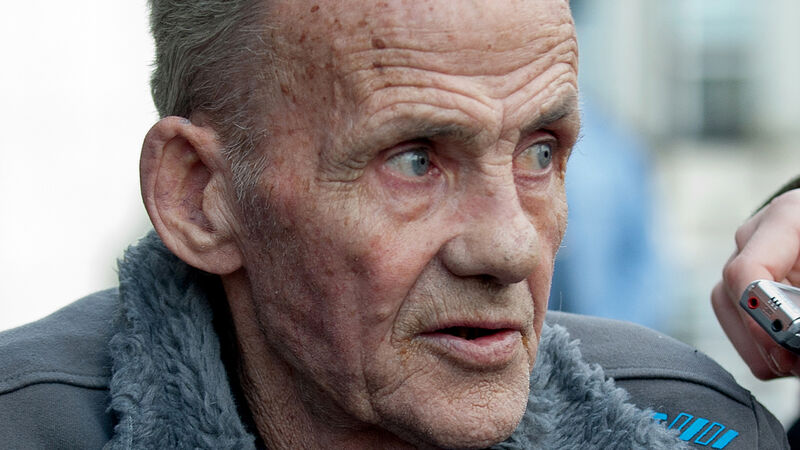
Patrick O'Brien, who received a 12-year sentence for raping and sexually abusing his daughter Fiona Doyle in 2013, has since died. Picture: Collins Courts.
A rapist who was jailed for abusing his daughter for nearly a decade was deemed “a risk to children” by the HSE and refused to cooperate with social workers who tried to investigate him, new documents have shown.
Patrick O’Brien received a 12-year sentence, with the final nine years suspended, for raping and sexually abusing his daughter Fiona Doyle in 2013.
Following an appeal from the Director of Pubic Prosecution, O'Brien was jailed for nine years, but he served six and has since died.
Fiona Doyle’s story made international headlines in 2013 when her father pleaded guilty to 16 counts of rape and indecent assault on her as a child.
She bravely waived her right to anonymity and spoke out about how her father also allowed two other men to rape her.
New freedom of information records now show Mr O’Brien was deemed a risk to children and social workers attempted to meet with him at his home and in prison.
Speaking to the , Ms Doyle said her mother Breda O’Brien, who supported her husband, played a role in blocking the meetings.
“My mother spoke on his behalf to social workers and told them that my father was not going to cooperate with them because he wasn’t well,” she said. “But he was well enough to go to jail.
“The HSE had been trying to organise a visit to the house or get him to come to the office at the time.
In a handwritten note dated December 18, 2012, and seen by the , a social work team leader with the HSE wrote to Mr O’Brien and provided him with a letter which he needed to sign, in order to state in writing he was refusing to engage with them.
It said: "Further to a phone conversation with yourself last week, I would like to decline any further contact regarding this matter," — which was signed by Mr O’Brien.
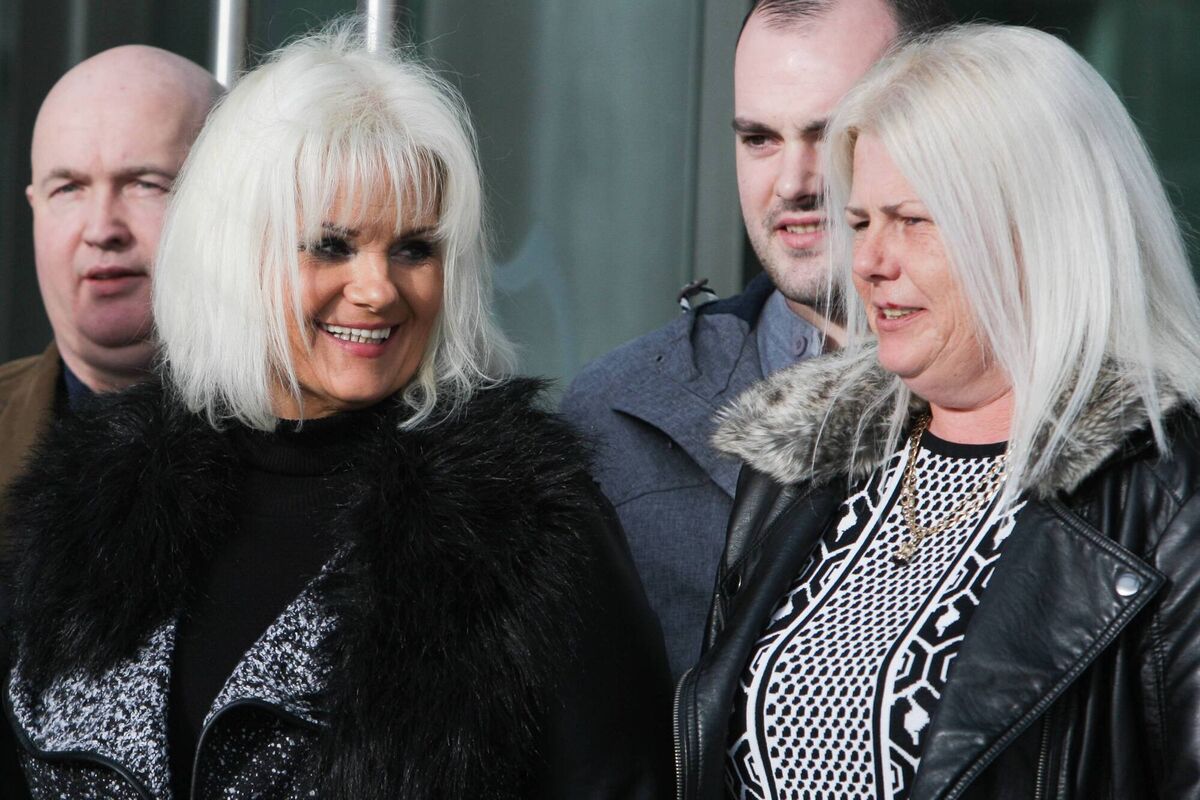
Ms Doyle said: “They also wrote to him when he was in prison in Arbour Hill in Dublin on May 16, 2013.
“Because he pleaded guilty and admitted to the abuse, they were able to come to a judgment about him, and the HSE deemed him to be a risk to children,” she said.
“They were writing to him to advise him of that in the prison.”
Ms Doyle said her father had admitted his guilt to gardaí in August 2012, and social workers were then advised of the situation.
“I never knew that when he was convicted, social workers went out to try and engage with him,” she said.
Further records also show Ms Doyle’s mother, Breda O’Brien, who has also since died, knew her daughter was being abused by her father.
“All the records do is show me that nobody did anything to protect me,” said Ms Doyle. “Even records from a long time ago, all this information is there, but nobody acted on it.
“My mother was saying this in the 80s and 90s. Had someone acted on that, I could have been protected.”
In a statement. Tusla said it “does not comment on individual cases in order to protect the privacy of children, families, and individuals we work with".
“When a person enters into a relationship with a public service such as Tusla, they are entitled to expect that information generated in that relationship is treated in confidence and remains private. This is critically important in the subject matters which Tusla is involved.”
- If you are affected by any of the issues raised in this article, please click here for a list of support services.
CONNECT WITH US TODAY



Be the first to know the latest news and updates