'You hear what is happening in Portiuncula, and it just takes you right back to your own trauma'
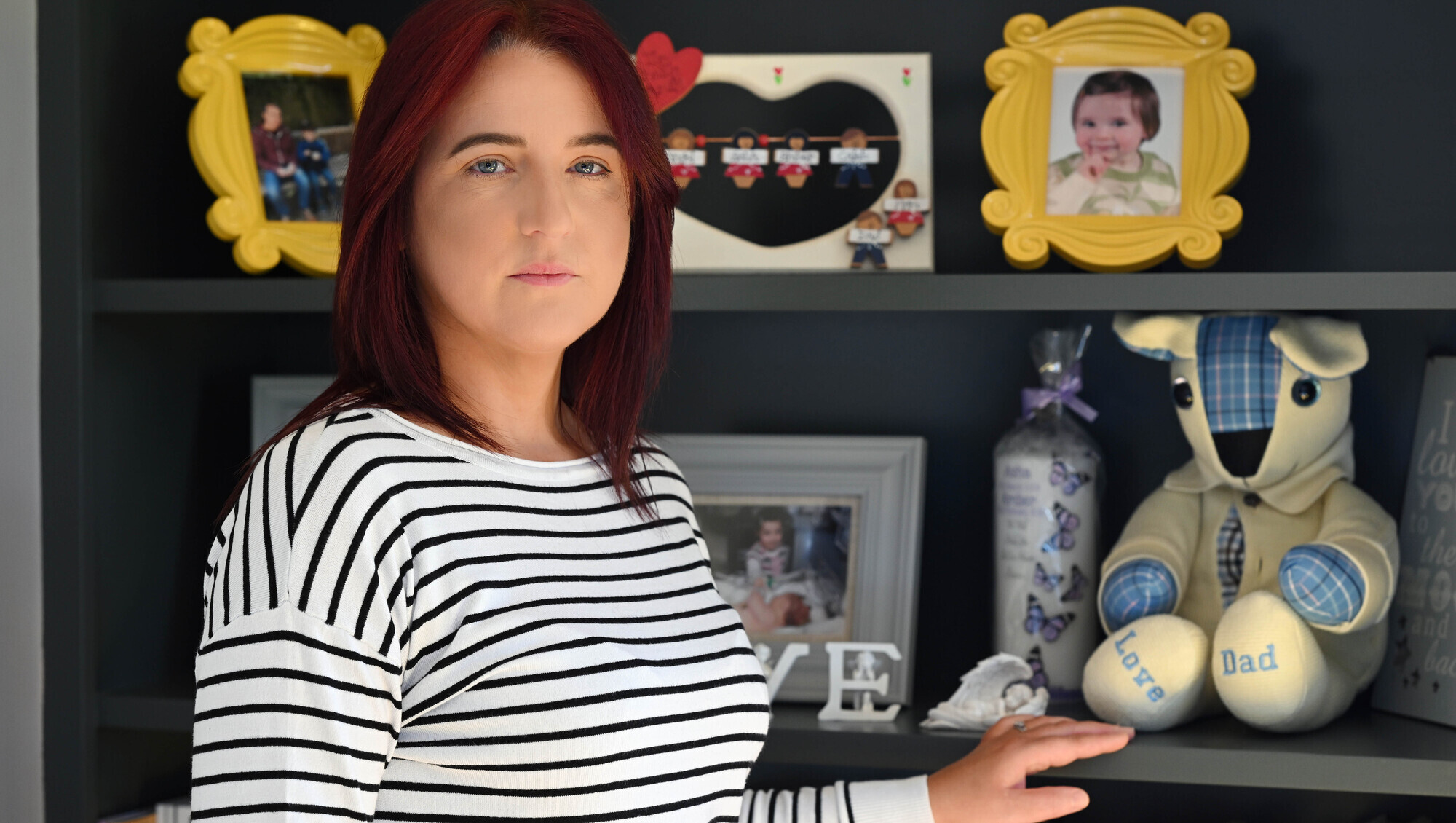
Lorraine Reilly at her home in Loughrea, Co Galway. Her daughter Asha was stillborn at Portiuncula in 2008. Her daughter Amber died six days after being born at the Galway hospital in 2010. Picture: Ray Ryan
When news broke the HSE was investigating baby births in Portiuncula University Hospital, Lorraine Reilly was among a group of mothers who froze in their tracks.
As someone whose experience of maternity services left her suffering from PTSD, she says the news re-traumatised her.
Then hearing a few weeks later that reviews have also been held into seven stillbirths at Mayo University Hospital, another Saolta University Health Care Group hospital, just — as she puts it — “compounded the re-trauma”.
Her daughter Asha was stillborn at Portiuncula in 2008.
Just under two years later, her baby Amber died six days after being born at the Galway hospital in 2010.
“You hear what is happening in Portiuncula, and it just takes you right back to your own trauma,” she said.
"Then you hear what is going on in Mayo, and you just wonder — what on earth is going on?"
Her daughters' deaths were two of the 18 cases that featured in the 2018 Walker Review report of adverse maternity-related events at Portiuncula between 2008 and November 2014.
It was initiated because a higher than normal number of babies in a single year were referred by the hospital for neonatal therapeutic hypothermia, a standard treatment for babies brain damaged as a result of oxygen deprivation before or shortly after birth.
While she found that shocking enough, she was also shocked to learn a few weeks later in the that there had been seven stillbirths in Mayo in 2023, five of which happened between October and December.
While all seven underwent local preliminary reviews, the HSE also commissioned two external reviews — one of which has been completed — into two of these stillbirths as they had been classed at 'serious reportable events.'
There have since been calls for an external review, independent of the HSE, into these 2023 stillbirths.
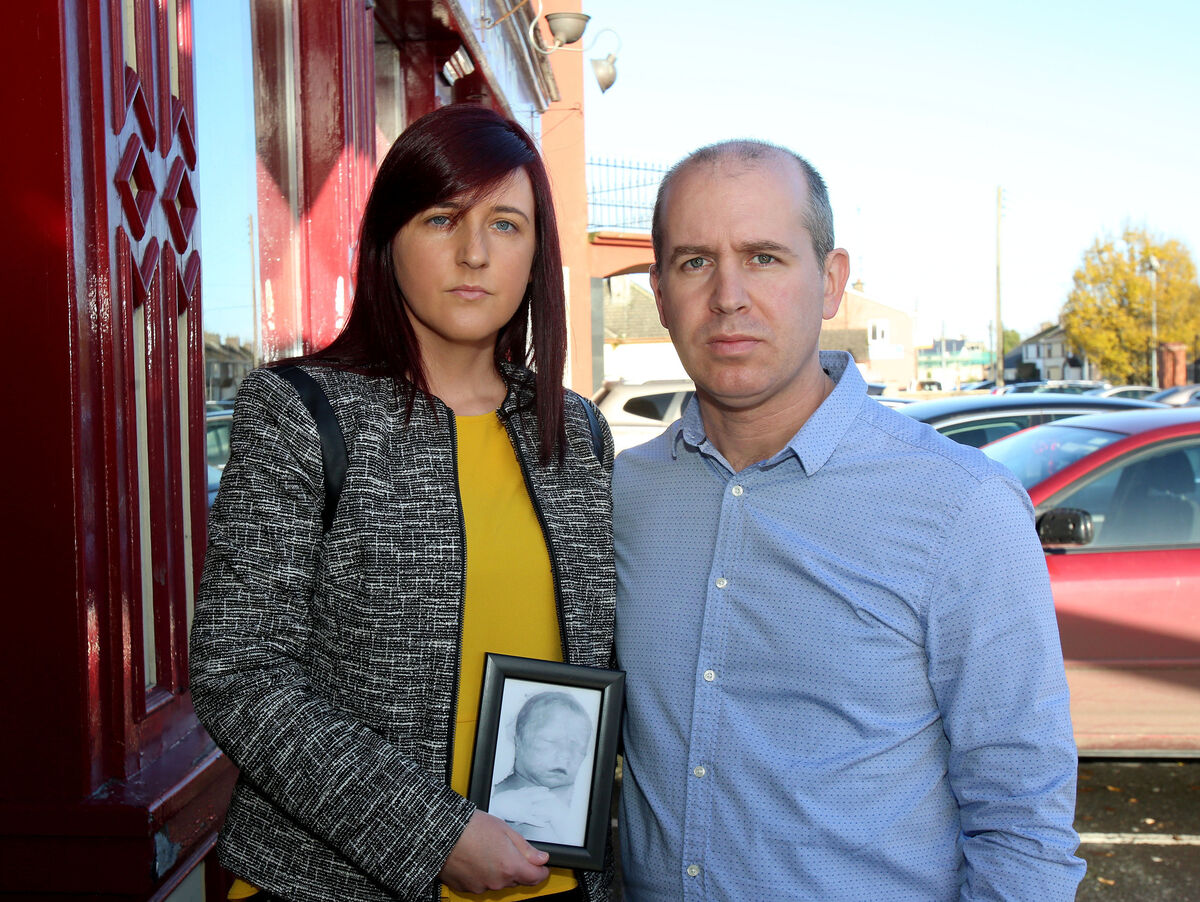
“I don’t just back these calls for a review into what happened at MUH [Mayo University Hospital] in 2023, but I think there needs to be an overall look at what is going on in Irish maternity units,” Lorraine said.
“After my two daughters died, a lot of issues were looked into and changes were eventually brought in after the Walker Review of 18 cases over a seven-year period.
“Nowadays, you are increasingly hearing about similar numbers but over a shorter period of time, and if that is not a red flag about issues that need looking at, I don’t know what is.
“While two of the stillbirths were regarded as serious reportable events by the HSE locally, you have to wonder whether the results of those will ever filter back to the HSE.”
She was referring to the fact that the HSE has not checked to see whether there were any negative outcomes from 655 serious reportable events-related reviews or investigations between 2016 and 2023 related to care or conduct at any of its 19 maternity units.
This is despite the fact that there were five times more baby deaths and baby birth-related injuries reported to the HSE in 2023 compared to 2016 during a period in which birth rates had actually dropped about 15%.
The figures, released to the under Freedom of Information legislation, related solely to near-term and term babies weighing more than 2,500g or 5.5lbs.
It is mandatory that investigations into serious reportable events commence within 48 hours of maternity units becoming aware of the incident and these investigations are supposed to be completed within four months of being started.
But while they have to be reported centrally to the HSE’s National Incident Management System, the HSE does not actually keep a centralised record of serious reportable events review outcomes.
“My heart goes out to all those mothers and fathers of babies who died or were injured in maternity units,” Lorraine said.
“But you do have to wonder how many babies are dying or being injured in vain because what happened to them just ends up being dealt with locally.
“The HSE should be all over all of these serious reportable events as a key part of its data collection to help inform it of any trends.”
She would be among the first to accept there are many reasons why a baby dies but she has grown to question the official health service narrative around baby deaths and she would urge anybody strong enough to do the same.
“Standing up for what you believe to be right is not as easy as it should be,” she said.
“It is certainly not for the faint-hearted. The grief myself and my husband Warren felt for the loss of our daughters was heavily impacted by the way our cases were handled.
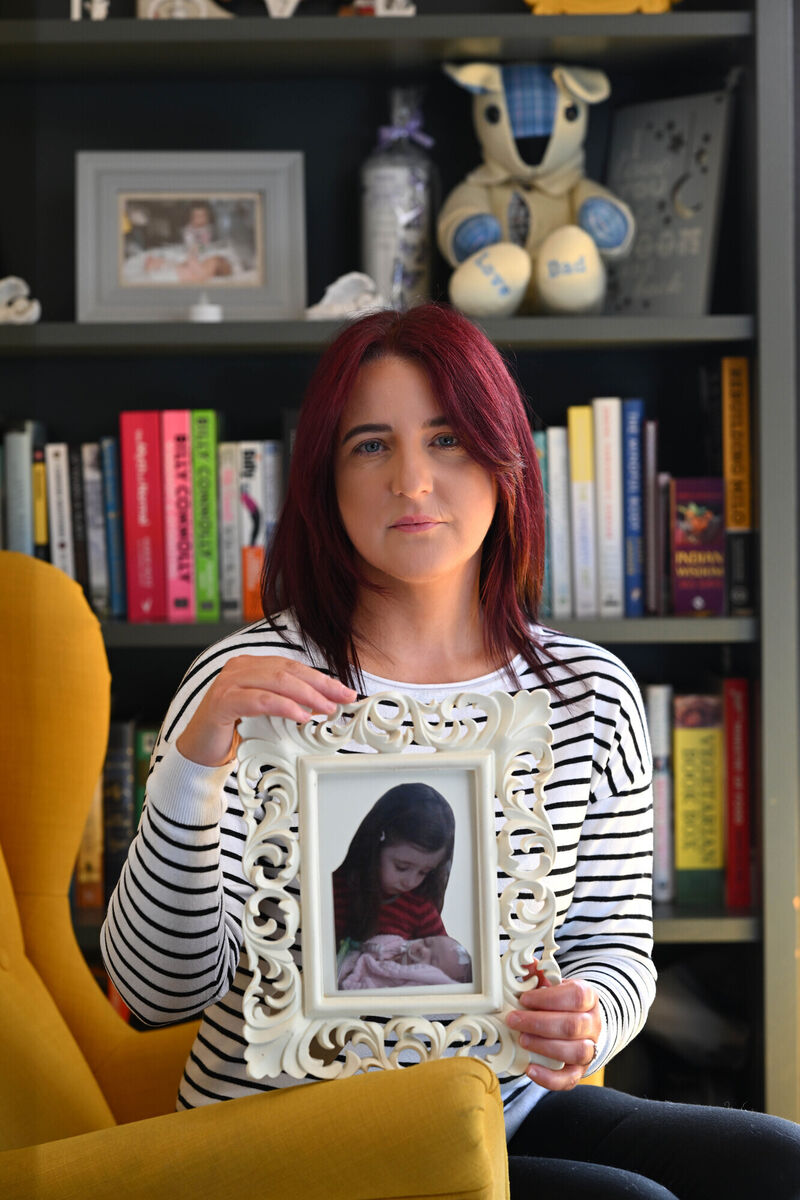
“We had to fight to be heard. It is hard not to feel gaslighted by the health service.
“Officially, we are told that the biggest factor in baby deaths is congenital anomalies, including spina bifida, Down’s syndrome, and heart defects.
“Yet we know full well babies survive with these conditions and can lead happy and fulfilling lives.
“While a baby may well be stillborn due to congenital anomalies, we rarely get to hear to what extent did mismanagement of care contribute to these congenital anomalies resulting in death.”
She added: “There just seems to be a never-ending drip feed of stories around the same mistakes.
“You don’t have to go as far back as the Portlaoise baby scandal more than 10 years ago to remind yourself what has happened in the past.
“You only have to go back a few months these days to be reminded of the continued anguish of parents over the needless deaths of their babies at inquest, after inquest.”
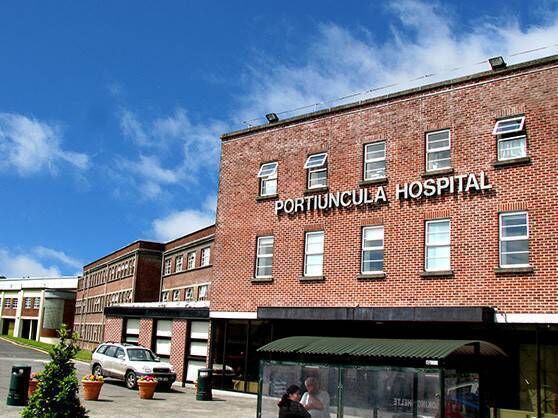
While she accepts changes have been made there, the ongoing issues around maternity services at Portiuncula take her right back to daughter Asha being stillborn on March 8, 2008.
Lorraine was 30 weeks pregnant when she began to feel uncomfortable, had a cardiotocography (CTG) scan in the hospital — which, she was told, was OK — and was then kept in overnight.
Even when she suddenly started bleeding during the night, she was told to go back to bed and wait for a nurse to assess her.
She wasn’t assessed and she ended up suffering a placental abruption — which is when the placenta partially or completely separates from the inner wall of the uterus before delivery.
Rushed to theatre, Baby Asha was delivered stillborn after an emergency C-section.
that there had been seven stillbirths in Mayo in 2023, five of which happened between October and December that year.
A verdict of medical misadventure was later returned in her inquest, held — nearly 10 years later — in November 2017.
One of the issues in what the inquest heard was a “likely preventable death" was a failure to maintain a CTG monitor of her daughter’s heartbeat.
Had it been maintained, staff would have realised she was in distress and this could have led to earlier intervention to try and save her life.
The hospital apologised unreservedly for failures of care and communications with the family following their loss.
Tragedy struck again when Baby Amber was born there on February 9, 2010, but suffered brain damage after a delay to deliver her.
She died just six days later in Dublin’s Holles Street to where she had been rushed for cooling therapy.
Despite what had happened with Asha, Lorraine had not been admitted as a high-risk case.
Among the issues that later emerged were the availability of a consultant, and the administration of medication to delay her contractions.
Yet again, among other mistakes, medics failed to correctly identify and respond to an abnormal CTG reading.
Amber’s inquest in 2011 resulted in a recommendation that there should be a review of the management of labour at the hospital.
However, while a review was conducted, Lorraine and Warren only found out by accident years later.
They were listening to the radio in 2015 when a review into baby deaths and injuries at Portiuncula was announced but would not be covering the time span involving their two daughters.
They were furious and it was only after they went public that Asha and Amber were included in the review process.
It was during that review that they discovered that Amber’s death had not only been reviewed in 2011 but that little or none of the resulting recommendations had been acted on.
“After both our daughters died, we were told that these were — sadly — things that could happen,” Lorraine said.
The couple also discovered that a senior doctor had — in response to the request from the coroner for a review into Amber’s death — said any commentary about “what should or shouldn’t have happened” in Amber’s case “should be omitted” from any review.
“My word of advice to anybody who has had a stillbirth or whose baby has died is that they should make sure they absolutely understand what exactly happened,” Lorraine said.
“If they have any niggling doubts in the back of their mind they should act on them and request any information from the hospital around their baby’s death or birth injury.
“If my experience of the Irish maternity system has taught me anything, it is that history has a habit of repeating itself.”
CONNECT WITH US TODAY



Be the first to know the latest news and updates