One in 14 Irish people unable to keep homes adequately warm in 2023
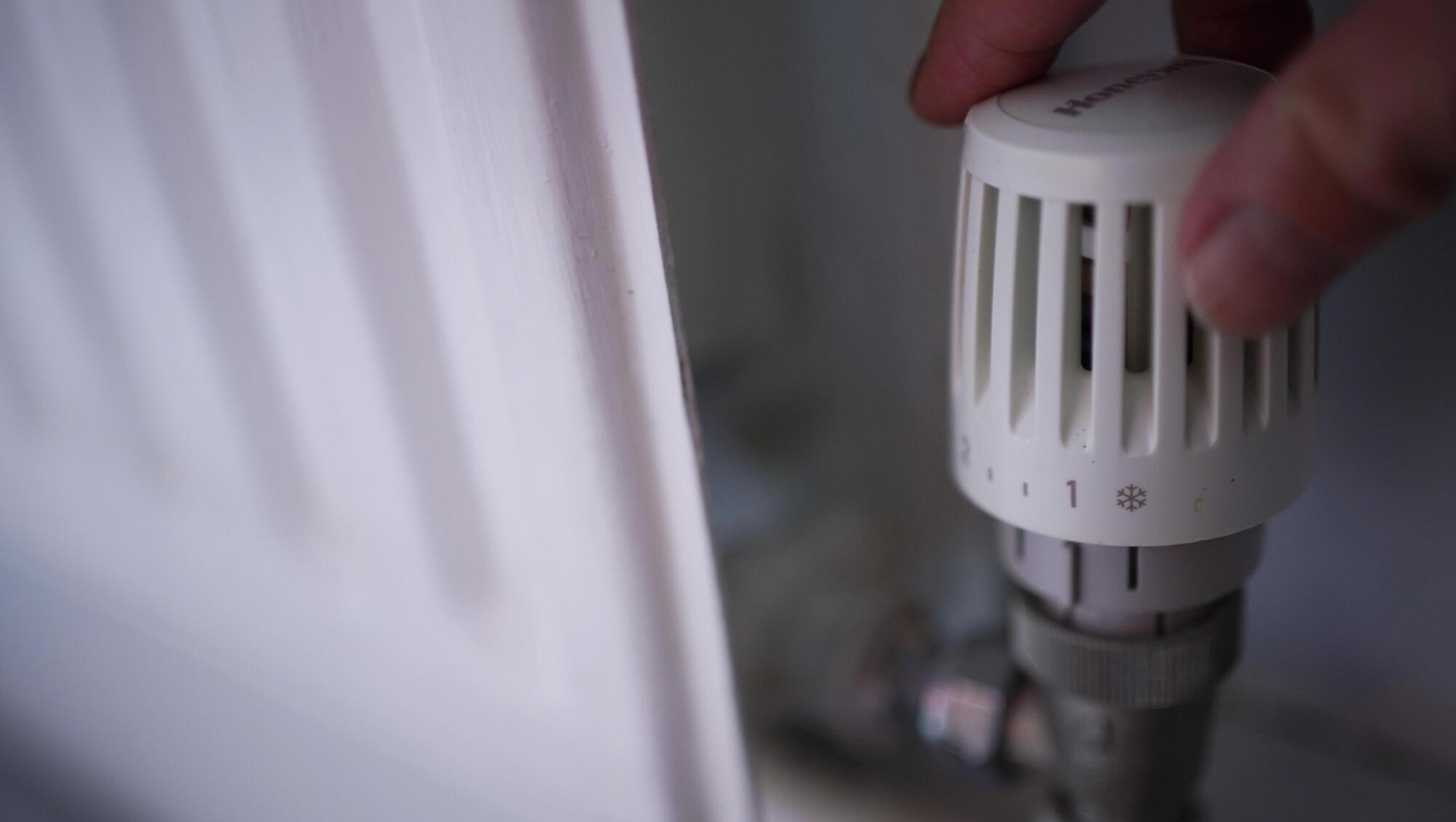
The current overall rate for Ireland remains below the EU average, but is the joint 12th highest among the 27 EU countries and rose from 6.8% in 2022 to 7.2% in 2023. File Picture: PA
One in every 14 Irish people live in households which are unable to keep their home warm, according to figures published by the European Commission.
A comparative study on housing across the 27 EU member states shows 7.2% of Irish people were unable to afford to keep their home adequately warm in 2023.
The proportion of Irish residents experiencing such a problem has more than doubled from the 3.4% rate recorded just two years earlier in 2021.
However, the proportion of Irish people who are unable to keep their home sufficiently heated varies considerably based on the type of household.
Just 1.4% of couples whose children are all aged 25 or more were unable to afford to keep their home adequately warm in 2023, compared to 21.1% of households with a lone parent and at least one child under 25 years.
The current overall rate for Ireland remains below the EU average, but is the joint 12th highest among the 27 EU countries and rose from 6.8% in 2022 to 7.2% in 2023.
The share of people in the EU living in households unable to keep their homes adequately warm increased by 1.3 percentage points, from 9.3% to 10.6%, over the same period with the rate increasing across 19 member states — including Ireland.
The figures are based on the annual EU-wide survey on income and living conditions, which analyses a number of key national poverty indicators — including consistent poverty rates and rates of enforced deprivation.
The ability to keep a house adequately warm is an explicit measure of affordability regardless of whether there is an actual need for heating due to climatic conditions.
The latest figures also show 69.4% of Irish people lived in owner-occupied homes in 2023 (including 32.9% who owned their home outright free of a mortgage or other type of housing loan). The rate of home ownership in housing in Ireland is close to the EU average of 69.2%.
However, the current rate of home ownership in the Republic had declined steadily over the past two decades from a peak of 81.8% in 2004.
According to the CSO, seven out of 10 people who experienced consistent poverty in 2023 were living in rented or rent-free accommodation.
It found that rates of various adverse measures would have been higher in 2023 but for a series of cost-of-living supports announced by the Government to help households meet rising prices, such as a €200 credit on energy bills.
Despite the current housing crisis in Ireland, record homeless figures, and rising property prices, the latest figures indicate housing affordability is not as acute an issue in Ireland as the majority of EU countries.
They reveal that 4.7% of people in the Republic lived in households in 2023 with housing cost overburden, which is assessed as a situation where 40% or more of their disposable income is spent on housing.
The EU average was 8.8% with rates varying considerably across the EU — from 2.6% in Cyprus to 28.5% in Greece.


CONNECT WITH US TODAY



Be the first to know the latest news and updates