Carer was so burnt out her GP thought she'd had a stroke
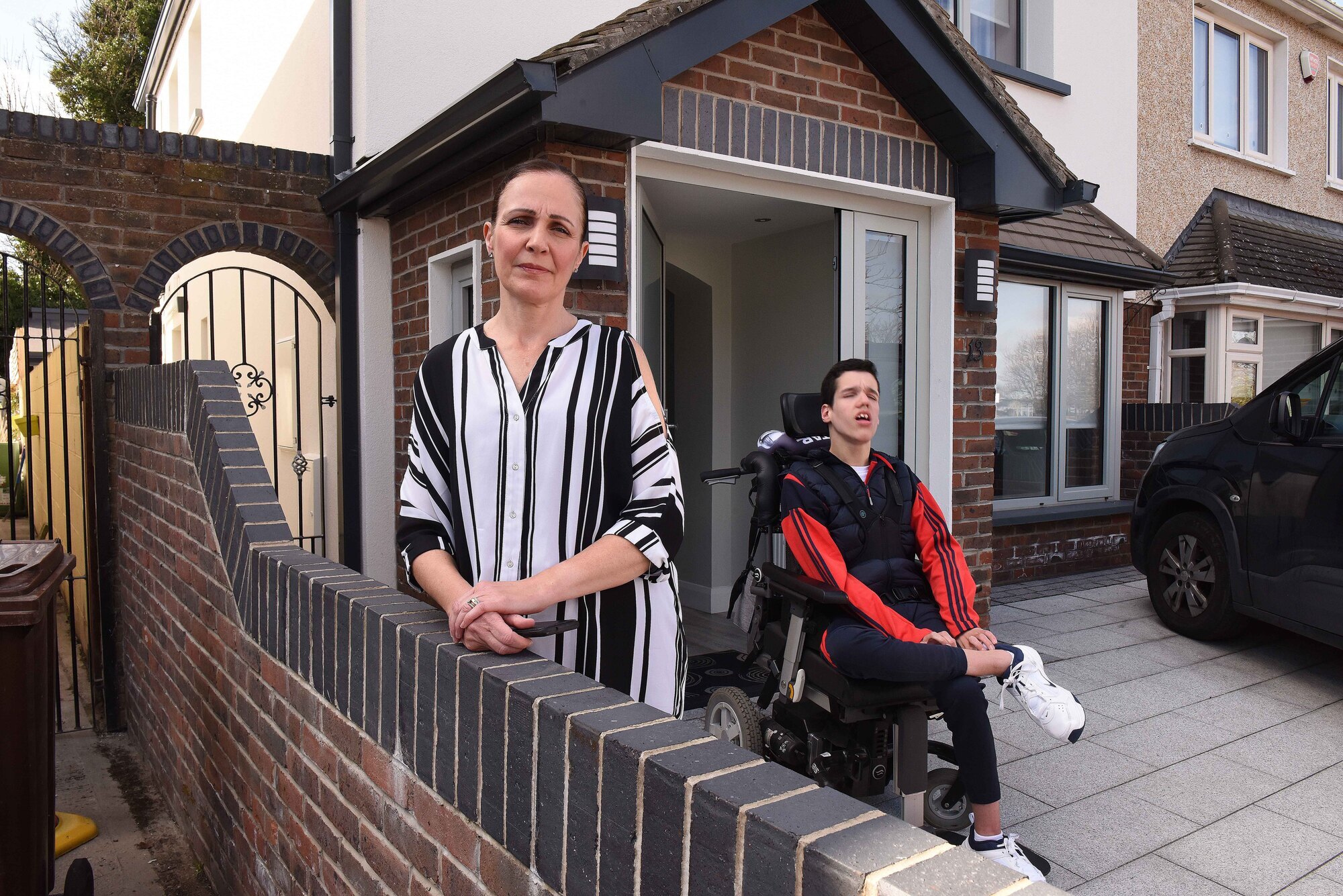
Sinead Tighe at her home in Tallaght with her 17-year-old son Daniel, who has profound disabilities. Picture: Moya Nolan
A woman whose teenage son’s disabilities mean he cannot be left alone was so exhausted at one point her GP thought she had suffered a stroke.
Sinead Tighe said she is not surprised by the latest Healthy Ireland report which warns that carers are more likely to have long-standing health problems than people who are not carers.
It estimates one in seven adults are now caring — including for children and older people.
Sinead said she had taken up competitive running to cope with the mental strain but even that began to fail one particularly tough year.
“I do remember at the end of that summer, I said to my mam ‘I can’t hold up my head, and my arms are sore, I can’t move myself. I don’t know what’s wrong’,” she recalled.
When she began struggling even to walk, she went to their GP.
“They were very concerned because the power was going, mainly from the right-hand side of my body. And they were concerned that I’d had a stroke. Lots of tests were done on me,” she said.
Sinead, who lives in Tallaght, Dublin, said her marriage is also impacted.
“You’re robbed of your marriage because the marriage that you think you’re going to have is not that way,” she said.
“The two of you become carers. We are a very strong couple. Loads of marriages break up but for the two of us we support each other all the way along.
“But it has put a massive strain on our lives.”
Her son Daniel, 17, has a rare genetic condition called Sotos syndrome and cannot be left alone so often only one parent goes to family weddings or events.
“That bears down on our relationship and no-one names that or speaks about it,” she said. “We very rarely get to go out together.”
She has begun raising this silent pain at carers’ events and in online groups, and said that, for single parents, social interactions often simply disappear.
“In the last while myself and Daniel have become friends again. I enjoy him and I love him and love him more now,” she said.
“I don’t look at the disability, I look at his ways and the way he communicates and all the little things that probably would have broken my heart before. Now I try to enjoy him more, and seek out the positive moments.”
Her husband recently changed jobs so he could spend more time at home. She thinks as a young man Daniel now prefers time with his dad and male carers.
Their life is “a huge learning curve”, she explained.
“The fact we don’t get recognised, we don’t get the proper supports means as a carer we get nothing,” she said.
“No-one looks after us, it’s only through other people (in the same situation) or you falling on your knees you get supports.”
In terms of the next government, she said they need to be prepared. "They need to look and they need to talk more to these parents and see what needs to be addressed.
“There needs to be so much more around us to help us through.”
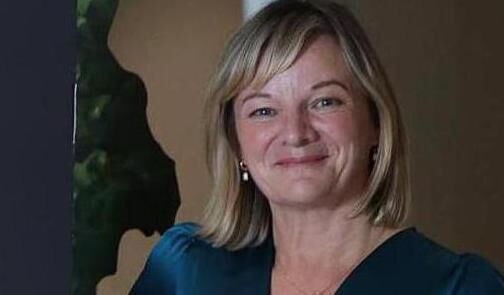
Catherine Cox, Family Carer’s Ireland head of communications and policy, said the Tighes' experiences are not unusual.
Depression and chronic pain among carers have been identified in various studies.
“The alarmingly high prevalence of loneliness and social exclusion amongst carers and its associations with poor health are also major challenges,” she also said.
The outgoing government had committed to a ‘carers guarantee’ so family carers regardless of where they live would have the same services including respite and training.
The Healthy Ireland findings on carers echo conclusions in the Family Carers Ireland State of Care Research 2024, she pointed out.
“Family carers are currently facing unprecedented levels of financial stress and worry,” Ms Cox said.
“It is essential that the Government takes immediate action to provide additional and targeted financial support for carers, particularly for those on low incomes by abolishing the outdated means test for Carers Allowance and introducing a participation income for family carers based on their valued contribution to our society.”
A separate report this week on the financial value of stay-at-home parents calculated an annual salary of €57,140 Royal London Ireland said.

CONNECT WITH US TODAY



Be the first to know the latest news and updates