Climate crisis ‘wreaking havoc’ on Earth’s water cycle, report finds
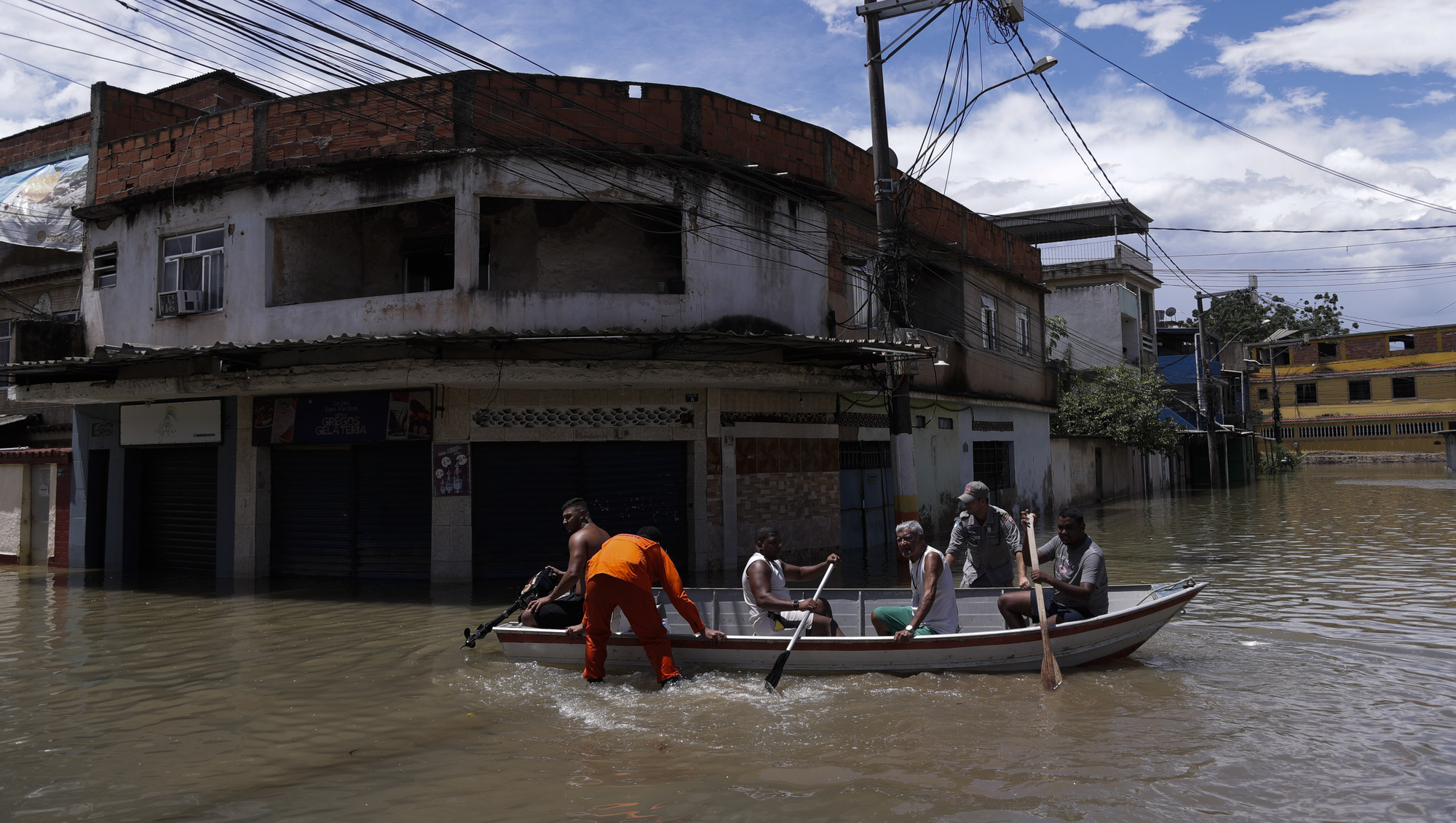
Firefighters evacuate residents through a flooded street after deadly rainfall in Belford Roxo, Brazil, in January 2024. Picture: AP
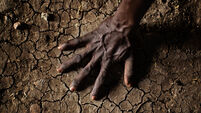
The climate crisis is “wreaking havoc” on the planet’s water cycle, with ferocious floods and crippling droughts affecting billions of people, a report has found.
Water is people’s most vital natural resource but global heating is changing the way water moves around the Earth. The analysis of water disasters in 2024, which was the hottest year on record, found they had killed at least 8,700 people, driven 40 million from their homes and caused economic damage of more than $550bn.
Rising temperatures, caused by continued burning of fossil fuels, disrupt the water cycle in multiple ways. Warmer air can hold more water vapour, leading to more intense downpours. Warmer seas provide more energy to hurricanes and typhoons, supercharging their destructive power. Global heating can also increase drought by causing more evaporation from soil, as well as shifting rainfall patterns.
Deadly flash floods hit Nepal and Brazil in 2024, while river flooding caused devastation in central Europe, China and Bangladesh. Super Typhoon Yagi, which struck south-east Asia in September, was intensified by the climate crisis, as was Storm Boris which hit Europe the same month.
“In 2024, Earth experienced its hottest year on record and water systems across the globe bore the brunt, wreaking havoc on the water cycle,” said the report’s leader, Prof Albert van Dijk.
The report warned of even greater dangers in 2025 as carbon emissions continued to rise.
The 2024 Global Water Monitor Report was produced by an international team of researchers from universities in Australia, Saudi Arabia, China, Germany and elsewhere.
They found rainfall records are being broken with increasing regularity. For example, record highs for monthly rainfall were set 27% more often in 2024 than in the year 2000 and daily rainfall records were set 52% more frequently. Record lows were set 38% more often. “So we are seeing worse extremes on both sides,” said Van Dijk.
In Spain in October more than 500mm of rain fell in eight hours, causing deadly flash floods.
In the Amazon, drought struck. “Wildfires driven by the hot and dry weather burned through more than 52,000 sq km in September alone, releasing vast amounts of greenhouse gases,” Van Dijk said.
The researchers said seasonal climate forecasts for 2025 and current conditions suggested droughts could worsen in northern South America, southern Africa, and parts of Asia. Wetter regions such as the Sahel and Europe may face elevated flood risks.
“We need to prepare and adapt to inevitably more severe extreme events,” said Van Dijk. “That can mean stronger flood defences, developing more drought-resilient food production and water supplies, and better early warning systems. Water is our most critical resource, and its extremes — both floods and droughts — are among the greatest threats we face.”
CLIMATE & SUSTAINABILITY HUB
CONNECT WITH US TODAY



Be the first to know the latest news and updates