Teenagers whose parents are not against cannabis use four times more likely to take drug, study finds
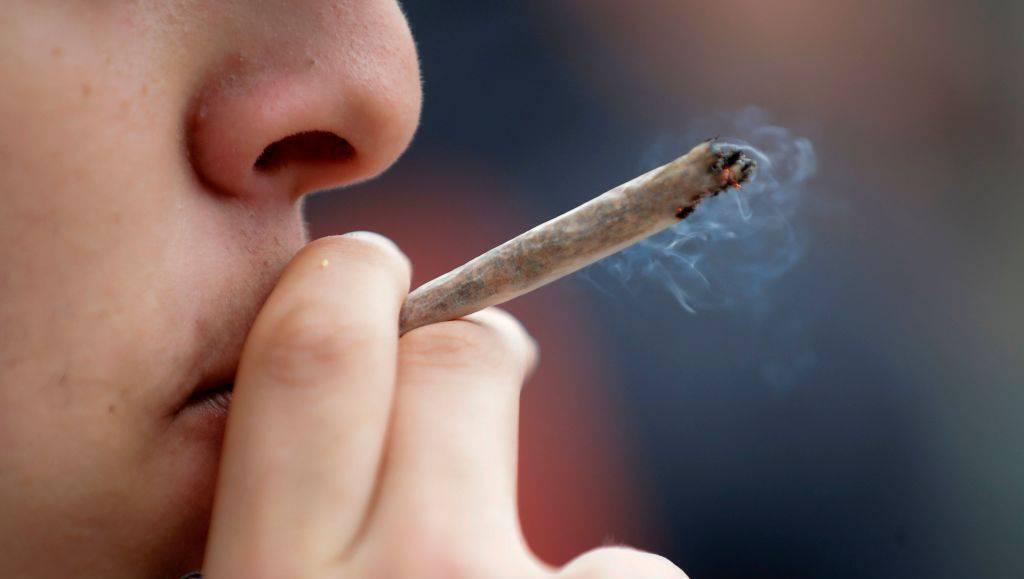
In addition to parental ambivalence, the study said there were other significant risk factors for current cannabis use (defined as use in the last 30 days): peers that used cannabis; perception of cannabis as not harmful; use of other substances; peer pressure to use cannabis and low parental supervision. Picture: Getty
Adolescents who think their parents are ambivalent towards cannabis are almost four times more likely to take the drug, according to Irish research.
The authors said this was a “very significant” finding as it indicated parents were potentially a “protective factor”, which, in turn, could be informed by public health messaging and greater involvement of parents in drug education.
The research was based on a survey, originally conducted three years ago, of more than 4,400 15-16-year-olds in 40 schools in North Dublin, Cavan and Monaghan.
The study was conducted by a team of nine medical experts and was jointly led by Teresa O’Dowd of the Department of Public Health HSE North West, and Ronan Fluery of the Department of Psychiatry at the Royal College of Surgeons, Dublin.
Other senior researchers were consultant psychiatrists Bobby Smyth and Mary Cannon.
In addition to parental ambivalence, the study said there were other significant risk factors for current cannabis use (defined as use in the last 30 days): peers that used cannabis; perception of cannabis as not harmful; use of other substances; peer pressure to use cannabis and low parental supervision.
The study, published in the , found 7.3% of the respondents (302) were current cannabis users.
It found sharp differences in parental attitudes to cannabis use among students who were not using cannabis compared to those who were current users:
- 95% of non-cannabis users said their parents were against cannabis use, compared to 66% of cannabis users;
- 3.5% of the former group said their parents were "a bit against/don’t care", compared to 31.5% of cannabis users.
“This study has demonstrated the importance of parental attitudes to cannabis use,” the research said.
“This indicates the critical importance of understanding parental attitudes towards adolescent cannabis use, and the potential modifications needed for drug prevention strategies in order to mitigate against this.”
It said in Iceland, parents were invited to school meetings to discuss research on cannabis and they agreed not to allow substance use in their homes, not to have unsupervised parties and increase parental monitoring and the amount of time they spend with their children.
In addition to the influence of parents, the study found an even greater influence among friends.
“The vast majority of cannabis users reported having friends who also use cannabis (93.5%),” it said.
“The odds of using cannabis were almost 10 times higher in those whose friends used cannabis compared to adolescents whose friends did not use cannabis.”
The study found 78% of cannabis users felt the drug was “not harmful”, compared to 27% of non-cannabis users.
There were very high associations between cannabis use and other substances: 62% of cannabis users were cigarette smokers (8% among non-cannabis users); 81% were current alcohol users (31%), and 71% smoked e-cigarettes (13%).
Self-rated mental health was lower among cannabis users: 55% of cannabis users said their mental health was good/okay, compared to 72% of non-users, with 45% of cannabis users saying their mental health was "bad", compared to 27% of non-users.
In relation to taking part in sport outside school, 58% of cannabis users said "almost never", compared to 41% of non-users.
Concluding, the research said: “A tailored public health messaging campaign addressing the known harms and complications of cannabis use in young people, is urgently required.
"Recent conversations around the decriminalisation and legalisation of cannabis and potential use of cannabis for medicinal purposes have contributed to a growing societal acceptance of cannabis use and a perception by some that its use is without risk.
“The public health community and policymakers must act to ensure greater awareness of cannabis harms among both teenagers and their parents.”
CONNECT WITH US TODAY



Be the first to know the latest news and updates