'Abhorrent' that consultants paid thousands of euros per hour, says HSE boss
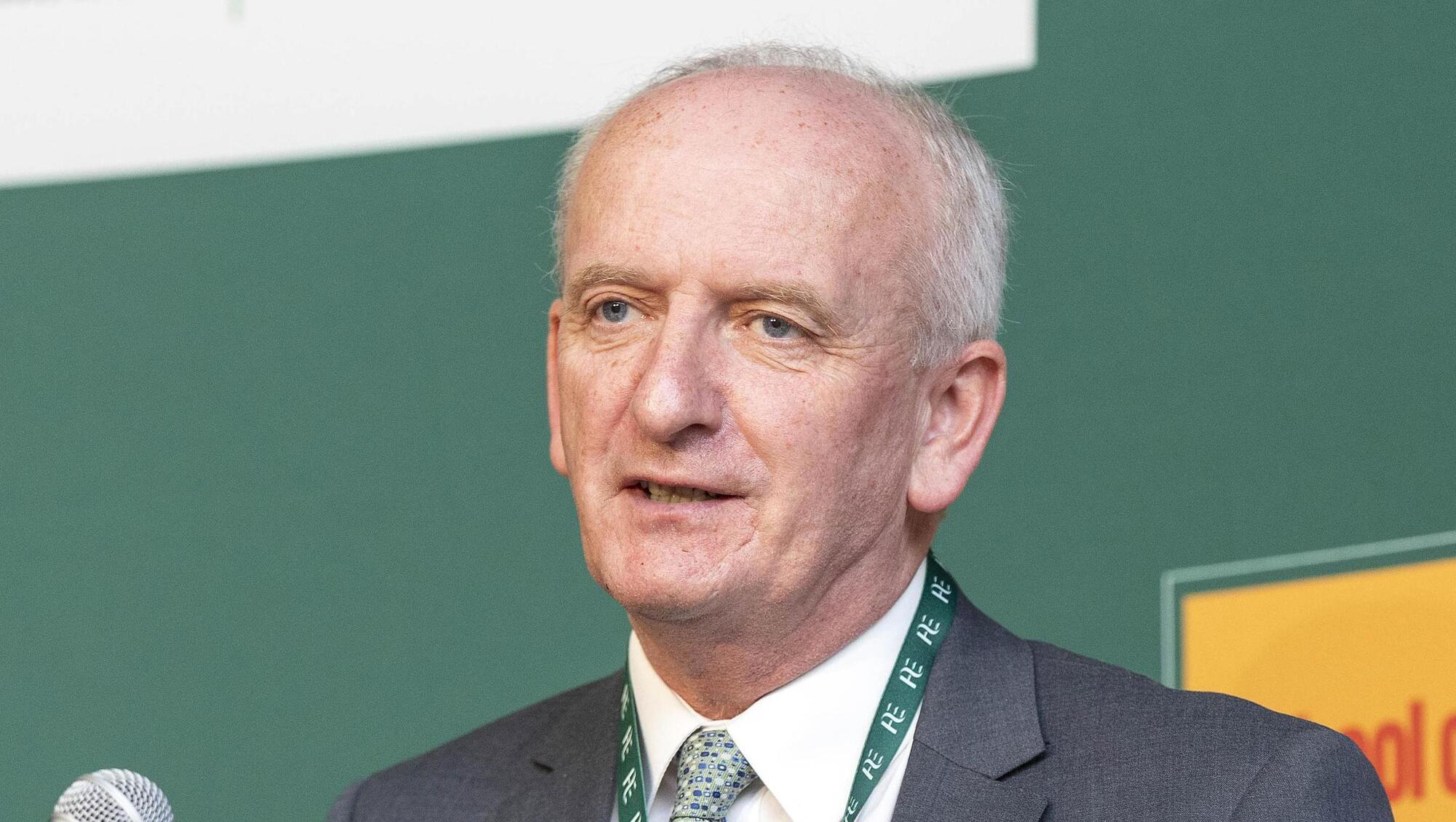
HSE chief executive Bernard Gloster: 'I think it was abhorrent that somebody’s contract, which may have been legally correct, was interpreted to that level.' Picture: Arthur Ellis
The head of the HSE has said it is “abhorrent” that hospital consultants have been paid thousands of euro an hour for treating patients during antisocial hours.
Bernard Gloster faced questioning from the Public Accounts Committee regarding the HSE’s highest earner in 2023 — an unnamed consultant who received almost €1m in pay for the year, including roughly €700,000 for call-outs outside normal working hours.
On one weekend night, the medic earned €2,800 in an hour for seeing four patients, at a rate of six hours’ pay per patient.
“I want to be unequivocally clear, I don’t think it was extraordinary, I think it was abhorrent that somebody’s contract, which may have been legally correct, was interpreted to that level,” Bernard Gloster told the PAC.
In response to questioning from Social Democrats TD Catherine Murphy, HSE officials explained that loopholes in the consultant’s contract — which allow for six hours’ pay after midnight at weekends in lieu of rest — are in the process of being closed off to a certain degree in the new consultants’ contract.
Louise McGirr, an assistant secretary at the Department of Health, said heretofore there had been “issues in terms of compensatory rest, issues in how that was being applied”.
“The overall solution is the increase in the number of consultants,” Ms McGirr said.
In terms of the health service’s spending on agency workers, Mr Gloster said the aim of the HSE was to “reduce it significantly”, but admitted at present year-on-year savings were unlikely.
Spend on short-term worker cover — which is typically billed at higher rates than that paid to contract employees — was €349m in 2019, the last full year before the onset of covid. That figure was €619m in 2022 and €647m in 2023.
In figures released to new PAC chair Mairéad Farrell, that spend was €473m for the first eight months of 2024 — which means the HSE is on course for a full-year expenditure of more than €700m for the first time on non-HSE staff.
Ms Farrell noted in the same time period of 2019-2023, management expenditure within the HSE rose from €29m to €86m.
“There is a huge amount of frustration due to agency spend because people want to get good jobs,” she said. “You’re talking about a tripling of it.”
“We’ll be either close to or pass last year’s spend,” Mr Gloster said. “We want to hold it steady. Our aim is to reduce it significantly.”
Chief financial officer Stephen Mulvany meanwhile noted some agency spend “is inevitable”.
“You’re always going to have short-term jobs. Overreliance is what we’re trying to reduce,” he said.
Separately, the meeting heard the HSE is roughly seven years away from delivering a comprehensive electronic health record system for all citizens to replace traditional paper-based records.
“I will put myself on the hook for it, I would say about seven years,” Mr Gloster said, adding a bigger problem would be in terms of retrospective records dating from before that timeframe.
“The problem is how far you go back, because we have millions [of records],” he said.

CONNECT WITH US TODAY



Be the first to know the latest news and updates