'Pushed to the brink': More than 100,000 patients spent a night on a trolley this year
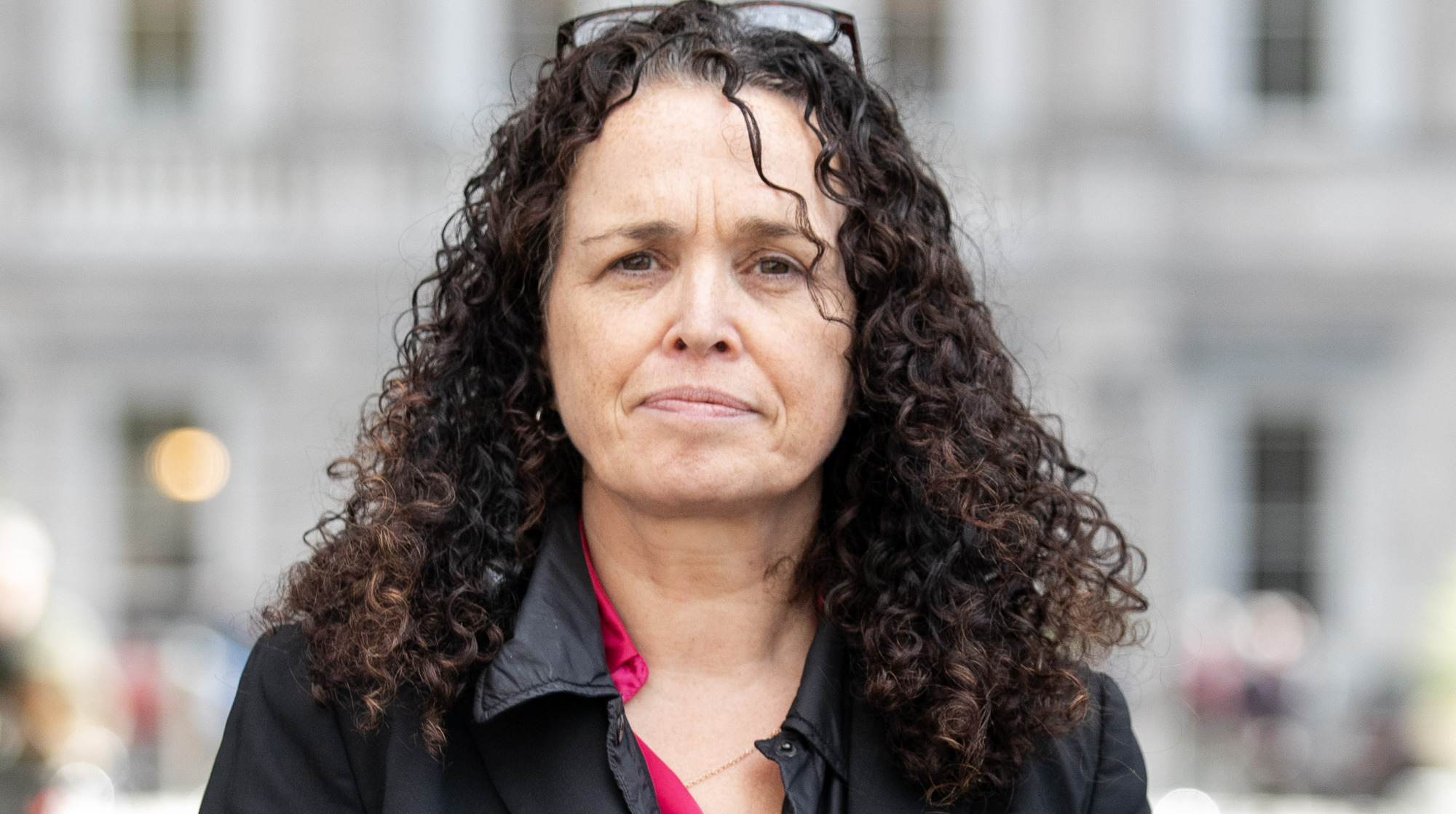
INMO General Secretary Phil Ní Sheaghdha: 'The HSE and Government have effectively accepted recruitment processes will be slowed down to a crawling pace when replacing staff who retire or go on long-term leave, and in the meantime it is up to the existing staff to fill in the gaps.' Photo: Gareth Chaney
More than 100,000 people have spent a night on a trolley in Irish hospitals so far this year, new figures from the Irish Nurses and Midwives Organisation show.
The union said staff shortages, such as Tipperary University Hospital in Clonmel having over 50 vacancies in stroke and other critical areas, are adding to overcrowding pressures.
University Hospital Limerick had the greatest number of patients without a bed — with 18,944 patients spending a night on a trolley. This was followed by Cork University Hospital where 10,923 patients waited for a bed.
Tipperary University Hospital on Thursday saw nurses and midwives protesting the staffing crisis alongside colleagues represented by Siptu and Forsa.
Liam Conway, INMO industrial relations officer, said staffing is at unsafe levels on wards and in the hospital's emergency department.
“Nursing posts in stroke care, COPD, neurology and colorectal specialisms are being left vacant, which is doing a disservice to the people of Tipperary,” he warned.
He linked this to limits placed on recruitment by the HSE despite growing demand locally for healthcare.

“The suppression of key frontline nursing and midwifery posts in Tipperary University Hospital is leading to an increased risk to patients and staff alike,” he said.
Phil Ní Sheaghdha, general secretary, said the national trolley count is sadly no surprise. Nurses were “pushed to the brink” during the last five years, she said.
“For many of them seeing another annual report of 100,000 patients being treated in inappropriate spaces before we even reach November, is simply unacceptable,” she said.
They are "scrambling to provide safe care to an increasing number of patients, in environments that are not safely staffed,” she warned.
“The HSE and Government have effectively accepted recruitment processes will be slowed down to a crawling pace when replacing staff who retire or go on long-term leave, and in the meantime it is up to the existing staff to fill in the gaps,” she said.
The union has estimated “around 2,000” nursing and midwifery posts have been eliminated due to a new HSE workforce policy. This figure is based on posts approved last year but not filled due to the recruitment ban which began in October and ended in July this year.
She called on election candidates to commit to bringing through the Patient Safety (Licensing) Bill which would put safe staffing levels on a legislative basis.
The HSE described the rolling protests as “regrettable” in light of increased funding provided to health in Budget 2025.
A spokeswoman said the Pay & Numbers Strategy for 2024 allowed them keep 4,000 staff hired above funding limits previously and staff hired for covid-19 work. She said any posts “occupied and reporting whole-time equivalents” on December 31, 2023, are now considered as funded.
“There will be in the region of 3,000 new posts advertised for this year, and recruitment has started,” she said. “Managers will have to control recruitment to stay in line with the approved maximum.”


CONNECT WITH US TODAY



Be the first to know the latest news and updates