Number of inmates hospitalised after string of recent drug overdoses in prisons
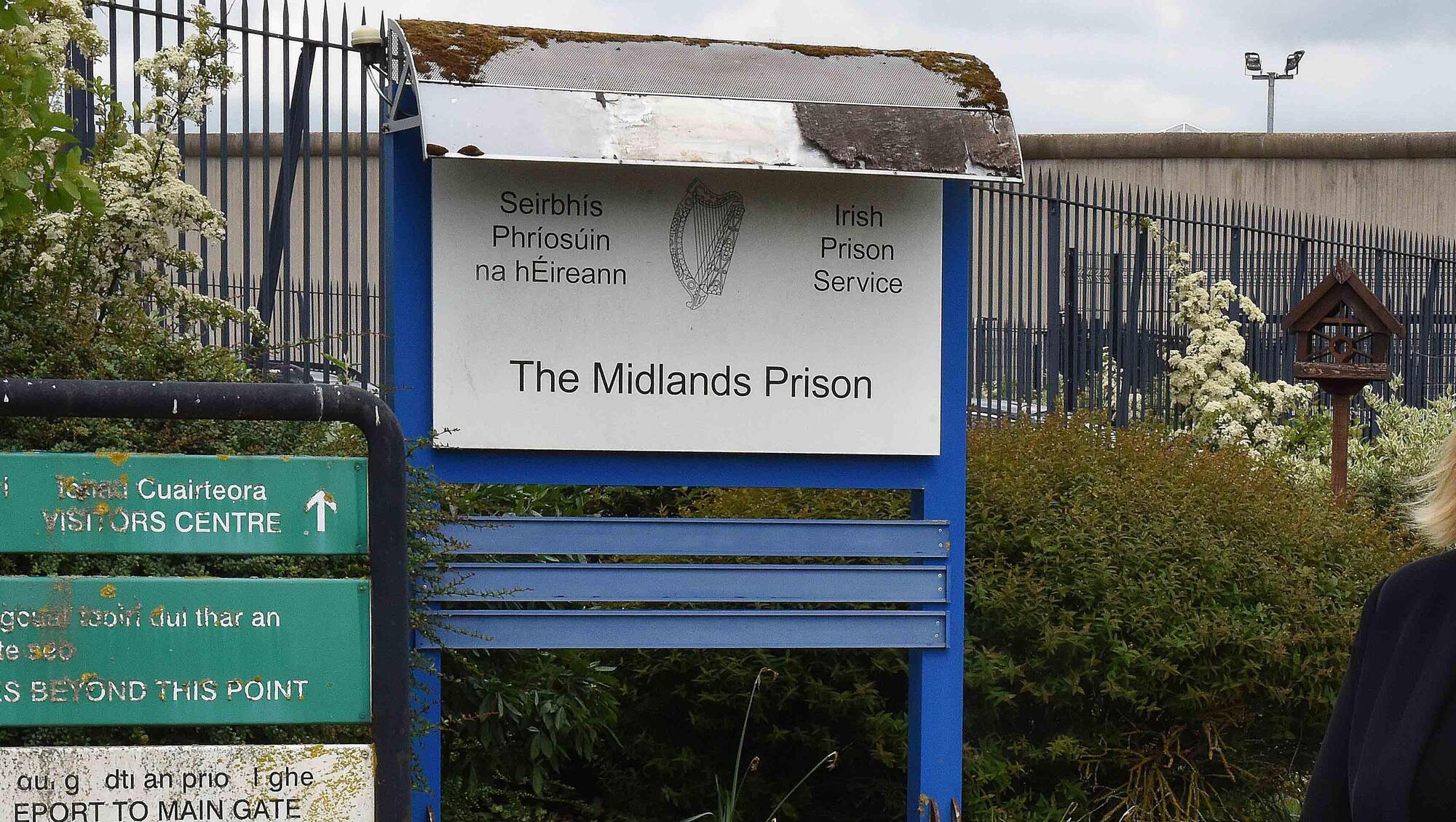
Three people overdosed on Sunday evening in the Midlands Prison. Two of these people were hospitalised but were discharged back to prison after a few hours. It is believed that the substance they used was spice. File photo: Moya Nolan
A spate of overdoses linked to the synthetic drug 'spice' have left multiple prisoners hospitalised over recent weeks.
Three people overdosed on Sunday evening in the Midlands Prison. Two of these people were hospitalised but were discharged back to prison after a few hours. It is believed that the substance they used was spice.
Another seven people overdosed on the drug in the Midlands Prison one weekend last month. No one was critically ill following Sunday's overdoses, an Irish Prison Service source said.
However, dangerous synthetic drugs circulating in prisons are a concern, they said.
“People say there is less heroin available because of the Taliban clamping down on opium poppy production so there’s a bigger mix of synthetic drugs now. Synthetics are primarily our biggest concern.
“And people don’t know what they’re getting with them and every person reacts differently to them.”
Spice has been found in prisons nationwide, including Mountjoy, Portlaoise, Wheatfield and Cork, a prison source said.
It is being brought in “through the usual supply chains” — thrown over walls or flown in on drones, smuggled in by visitors and by prisoners (newly jailed or returning from day release) — who will often swallow the drugs or hide them in their body to bring them in undetected.
Spice is a name for synthetic cannabinoids. These chemicals were designed to mimic cannabis but they have been known to be more dangerous and unpredictable.
But naloxone — a drug which can temporarily reverse an opioid overdose — has been saving lives in the prison when people overdose on some synthetic drugs, buying acutely ill patients the time they need to receive emergency hospital care or reversing the drug's strength enough so that a patient no longer requires hospitalisation.
A source said that they believe naloxone was used in Sunday night’s overdoses.
The Irish Prison Service (IPS) said that it is working closely with the HSE in response to a number of recent overdoses in custody.
“The Prison Service has secured extra naloxone kits in the event of clinical intervention. Extra vigilance is being taken across the prison estate and the Irish Prison Service has an ongoing information campaign for prisoners around the dangers of consuming contraband,” a statement from the IPS said.
Prison staff have increased random and intelligence-led cell searches on a daily basis. The Canine Unit is searching the prisons, with a greater focus on searching deliveries into prisons.
“The IPS is committed to preventing the access of contraband including drugs and mobile phones into prisons and continues to be a high priority for the IPS. The IPS has committed to continuing to invest in new technologies and measures to support our efforts to keep contraband out of prisons," the statement said.
The HSE said that it is aware of an incident in a prison but it did not receive a sample to test the substance. However, the HSE has raised concerns about substances known as ‘synthetic cannabinoids’ appearing in jellies and sweets sold as cannabis edibles.
“The HSE has previously identified risks associated with cannabis edibles and the identification of the products containing synthetic cannabinoids is one of these risks," a statement from the HSE said.
"Synthetic cannabinoids are man-made chemicals produced to mimic the effects of THC, the main psychoactive compound in cannabis. Often, products do not contain THC but instead they can contain a synthetic cannabinoid which will produce similar, more potent effects.
Separately, 11 people from Portlaoise Prison were hospitalised in August from a suspected nitazene overdose. Nitazenes are deadly synthetic opioids which previously led to the death of a prisoner.
However, testing the substance subsequently revealed it was a new form of the sedative benzodiazepine called clobromazolam.
Anyone with information on the trafficking of prohibited items into prisons can pass on that information in the strictest confidence via a free and confidential telephone line (1800 855 717) and text line (086 180 2449).
CONNECT WITH US TODAY



Be the first to know the latest news and updates