Almost 2,400 allegations of historical sexual abuse at more than 300 religious-run schools
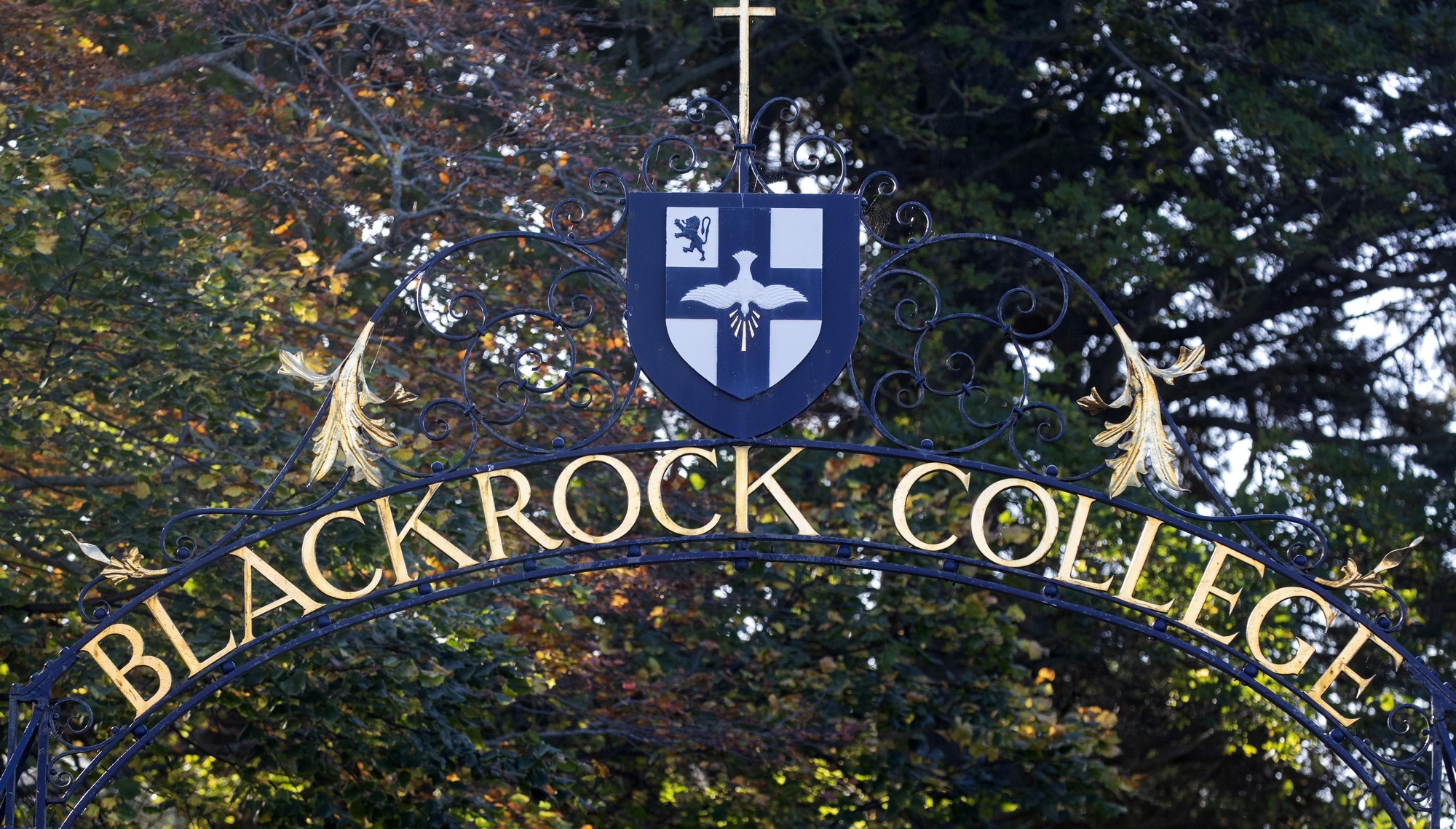
Last year, the Spiritan Congregation apologised to victims of abuse and said an independent group would engage with survivors at its schools and institutions, including Dublin’s Blackrock College. File picture: Colin Keegan, Collins Dublin
There have been a total of 2,395 allegations of historical sexual abuse at over 300 religious-run schools, set out in a report to be published this evening.
The understands there are 308 schools run by religious orders where the allegations have been made.
The report sets out that allegations have been made against 884 alleged abusers, with the religious orders setting out that more than half of the accused are deceased.
The 700-page report, seen by the Irish Examiner, outlines harrowing details of abuse against children and adolescents by members of religious orders.
A total of 17 special schools recorded 590 allegations involving 190 alleged abusers.
The report speaks of how there was no place or sense of safety in schools for victims as a result of their experiences of sexual abuse.
It outlines how "appalling" childhood sexual abuse was reported as occurring in various locations including in classrooms, dormitories, sports facilities, and at musical and extracurricular activities.
Some victims even reported being sexually abused in their own homes by adults associated with their school who had gained their family’s trust.
Others described being sexually abused in the private offices and residential quarters of school staff and religious order members. Many spoke of being sexually abused in the presence of other children or adults.
Others reported being sexually abused when alone with a teacher, priest or religious brother, other school staff or a visitor to their school.
Some victims said that they had been groomed, while others said their abuse occurred at random. Most described it as occurring alongside "ferocious violence".
The report was commissioned by Education Minister Norma Foley following allegations of abuse at Blackrock College.
Senior counsel Mary O'Toole's report runs to over 700 pages and has been met with Cabinet approval for the establishment of a statutory inquiry.
As adults, participants in the report "said the impact of the sexual abuse led to serious and ongoing difficulties in relationships, mental and physical health problems, addiction issues, lost career opportunities, and damage to their sense of place and/or community".
"Many described failed early intimate relationships and marriage breakdowns. Some said that, as a result of the sexual abuse, they decided not to have children, or when they did, it impacted their parenting, with many participants describing the effects of intergenerational trauma on their families."
The majority of allegations contained in the report came from men, with many of them never having told anyone about the abuse at the time. The proportion of those who disclosed the abuse while they were still children was very small.
Most who came forward are aged in their 50s, 60s and 70s now with the abuse dating back to the 1960s, 1970s and 1980s. Some who came forward said it was the first time they were discussing the abuse they had been subject to and the impact it had on them.
The report details the impact the abuse had on their self-esteem and sense of worth, their relationships, their mental health and their physical health.
Survivors who spoke to the inquiry said they were seeking accountability for what had happened to them, a further statutory investigation and financial redress. In the case of redress, it’s understood survivors want religious orders to pay for or contribute to this.
The majority of religious orders have said they were willing in principle to cooperate with a future inquiry.
While Commissions of Investigation usually take place in private, there is scope for some of the proceedings to be held in public such as the recent commission into prolific paedophile Bill Kenneally.
The scoping inquiry has recommended terms of reference to the Government for this commission of investigation.
Meanwhile, there were well over two dozen schools in Cork where participants in the report said they had experienced historical sexual abuse.
These include:
- St Joseph’s Boys National School, Bishops Street, Cobh
- Christ the King, Turner’s Cross
- Christian Brothers School, Youghal
- Scoil Mhuire Fatima, North Monastery Road
- Coláiste Chroí Naofa, Carraig na bhFear, Co. Chorcaí /Sacred Heart College, Carrignavar
- Christian Brothers College, McCurtain Street
- North Monastery CBS, Primary/Secondary
- Blarney Street CBS, Primary
- Midleton CBS, Primary
- Sullivan’s Quay CBS, Primary
- Sullivan's Quay/Deerpark CBS, Secondary
- Mitchelstown CBS, Primary
- Christian Brothers College, Cork (Secondary)
- Doneraile CBS, Primary/Secondary
- Charleville CBS, Primary/Secondary
- Christian Brothers College Junior School, Primary
- Fermoy CBS, Secondary
- An Mhainistir Thuaidh, Gaelcholaiste
- St. Aloysius Girls School, Carrigtwohill
- Colaiste Iosagan, Baile Bhourne (Ballyvourney)
- South Presentation Primary School
- North Presentation Primary School
- St. Therese College, Castlemartyr
- St. Patricks NS, Mallow
- St. Joseph's NS, Cork City
- Scoil Chriost Ri (Now Bunscoil Chriost Ri)
- Scoil Mhuire Na Ngras NS, Greenmount
- Colaiste Muire, Douglas
- Presentation College
- St. Vincent's Primary School, St. Mary's Road
- Ursuline Secondary/Boarding School, Blackrock
- Lota, Glanmire
- St. Mary's, Rochestown
The report also contains a paper from child protection consultant Dr Helen Buckley, who was commissioned to analyse both the situation at the time of the allegations and current safeguarding arrangements in schools today.
“The information presented provides evidence of significant, if not fundamental, changes to the systems for safeguarding and protecting children over the past 50 years,” Dr Buckley wrote.
“Although it is well established that harm to children occurs mainly within their families and in community settings, evidence that it has occurred in situations where children and young people are in the care of allegedly trusted adults in residential, educational or recreational settings has incentivised governments to create safer structures based on legislation, policy and guidance.”
- If you are affected by any of the issues raised in this article, please click here for a list of support services.