Commission of inquiry into sale of Nama's Northern Ireland portfolio delayed for 18th time
Commission of inquiry into sale of Nama's Northern Ireland portfolio delayed for 18th time

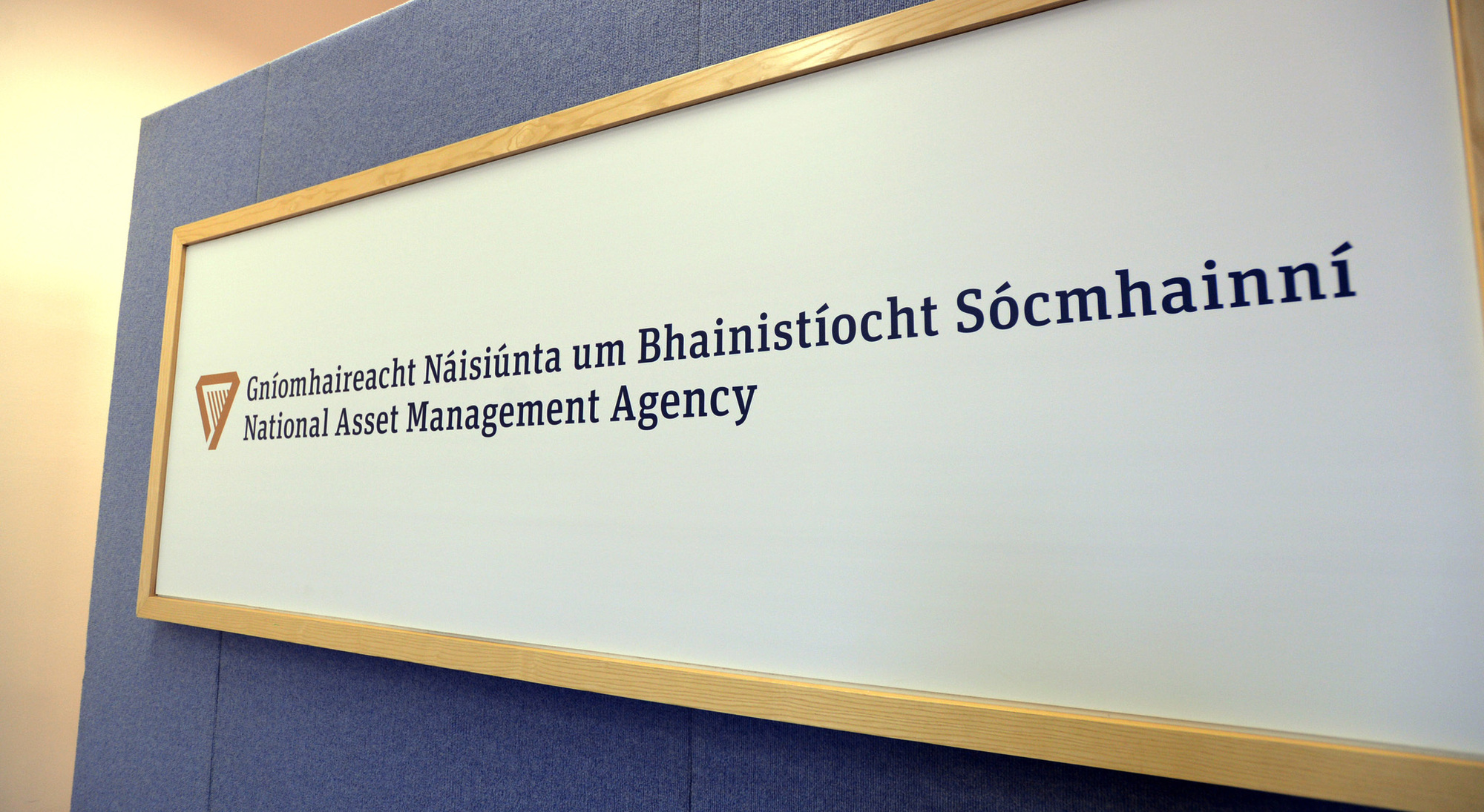
The Government’s commission of inquiry was established in June 2017 to investigate the sale by Nama of its Northern Ireland portfolio, known as Project Eagle, to vulture fund Cerberus in a €1.6bn transaction. File photo: Sasko Lazarov/RollingNews.ie

The Government’s commission of inquiry into the controversial sale of Nama’s Northern Ireland portfolio to a vulture fund has been delayed for an 18th time.

In her latest update to the Government, sole member Susan Gilvarry requested an extension to the submission of her final report on the scandal to the end of October.


She said that a draft of her final report has been received by interested parties and she has received responses back which are currently being considered. Ms Gilvarry is also considering applications for costs.

The commission has already cost well in excess of €6m so far, excluding third-party legal costs.

It was established in June 2017 to investigate the sale by Nama of its Northern Ireland portfolio, known as Project Eagle, to vulture fund Cerberus in a €1.6bn transaction.

Prior to the establishment of the commission, the sale was subject to much public debate and commentary, including at the Public Accounts Committee.

Addressing an Oireachtas committee in April, Taoiseach Simon Harris was quizzed about the commission’s progress by Fianna Fáil TD Jim O’Callaghan.

Mr O’Callahan said this process has already taken seven years and the objective of politicians calling for such commissions is to get a “quick response to issues of public importance”.

Mr Harris referenced the independent expert in Dr Gabriel Scally who looked into the CervicalCheck scandal and said commissions of investigation may not be the most effective way of investigating these scandals going forward.

“My gut answer on this is that we need to be careful that we do not just reach for a commission of investigation as the default position," he said.

"We must consider whether there are other ways. Bringing in an independent expert who, crucially, has the confidence of policymakers and of those impacted can, at times, be a more effective way of doing business.”

x

More in this section

Lunchtime News

Newsletter

Keep up with stories of the day with our lunchtime news wrap and important breaking news alerts.

Cookie Policy Privacy Policy Brand Safety FAQ Help Contact Us Terms and Conditions

© Examiner Echo Group Limited