Young adults struggle most when dealing with suicide bereavement
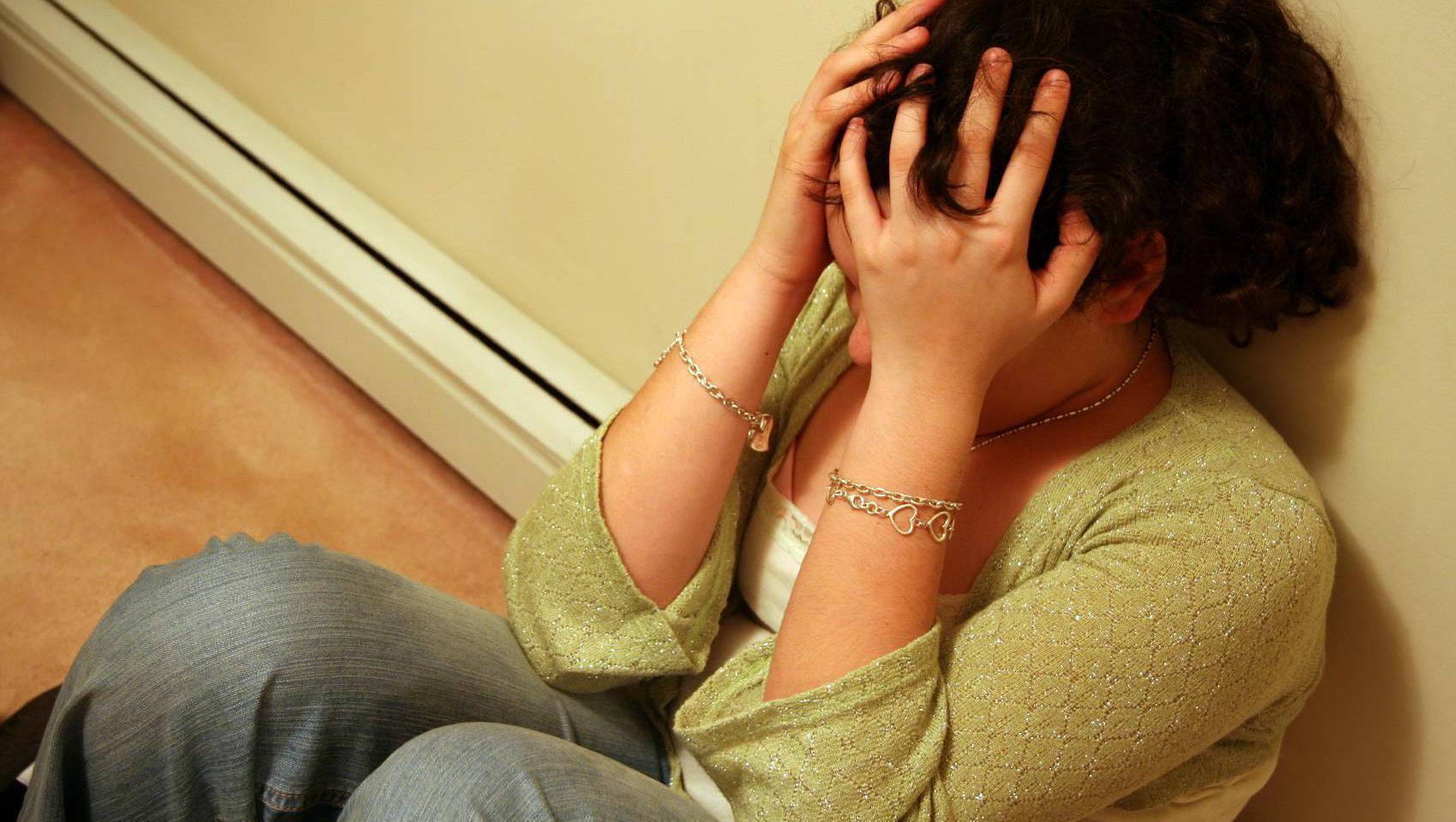
The vast majority of young people reported some symptoms of anxiety and depression when dealing with suicide bereavement. File picture
A study on how people deal with suicide bereavement has shown that one in five people had suicidal or self-harming thoughts in the two weeks following a death.
Around 500 people die by suicide in Ireland each year.

For each person that dies, there are on average six close family members and up to 135 individuals believed to be affected by the death. This equates to more than 3,000 close family members and 60,000 individuals who may be impacted by suicide in Ireland every year.
, a report undertaken by the HSE, UCC, the National Suicide Research Foundation and Healing Untold Grief Groups (HUGG), received more than 2,400 responses from these individuals.
Young adults (those aged between 18-24) in particular reported poor mental wellbeing at the time of completing the survey. The vast majority of young people reported some symptoms of anxiety (89% for both young men and women) and depression (82% for young men, 92% for young women).
More than half of young adults reported to have had some thoughts of self-harm or suicide in the period following the death(s), while they also reported more pronounced feelings of guilt and responsibility, with 38% feeling often or always like there was something important they wanted to make up to the person.
One respondent explained: “I felt very selfish for feeling the way I did. I beat myself up every day over that. I also beat myself up because I couldn’t save my friend, I felt I should have been able to.”
Accessing support services was an issue for a large portion of the 2,413 respondents to the survey. Most that identified a reason for not accessing services felt they could cope themselves with the grief (45%.)
However, nearly a third were reluctant to ask for help. On top of that, one in five believed that their grief “wasn’t important enough or that they didn’t deserve help.”
This extended to two in five when specifically focused on 18 to 24-year-olds.
Other personal factors related to perceived stigma, including:
- their grief not being recognised by others (14%),
- personal shame/concern about what others would think (14%),
- a fear/distrust in services (11%),
- a fear it would make things worse (10%)
- or a lack of confidence in professionals (9%)
One response read: “When you are feeling low the last thing I personally didn’t want was to have to travel for a service I was unsure of and then sit in a waiting room. That was too much of an ask.”
More than one-in-10 participants indicated that there was no support service in their local area.