Inquiry into maternity services needed, says campaigner
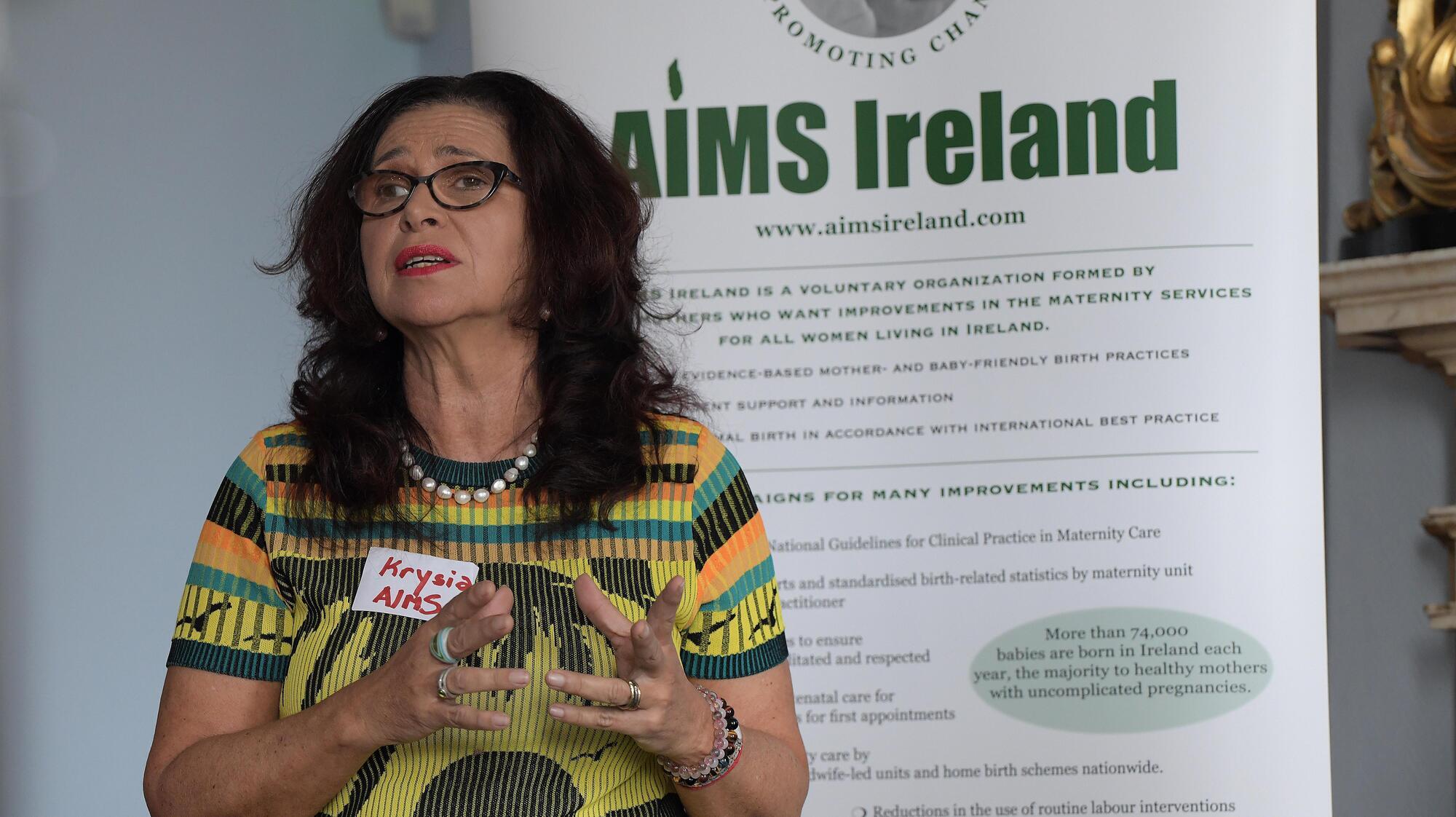
Krysia Lynch, chair of the Association for Improvements to Maternity Services Ireland (AIMS) said: 'It’s very unusual now to hear of somebody who has no interventions in their birth.' Photo: Moya Nolan
Ireland needs to hold an inquiry into its maternity services which will examine all of the challenges women experience — similar to that held this year in England.
A leading maternity advocate made the call following the publication of a report by the All-Party Parliamentary Group on Birth Trauma in England based on feedback from parents, healthcare workers and academics.
Dr Kyrisa Lynch, chair of AIMS Ireland (Association for Improvements in Maternity Care) said there are similarities between how the British and Irish maternity systems have evolved in the last decade.
“They have the same issues that we have here like the lack of staffing,” she said as well as what she described as a move towards medicalisation.
One of Dr Lynch's key concerns is the rising level of medical interventions during labour and birth. “It’s very unusual now to hear of somebody who has no interventions in their birth, it’s really unusual,” she said.
“For first-time parents that is 5% to 10% so that means that between 90% and 95% of people are getting some kind of intervention. It’s a lot and it’s become normal to be induced and to have a caesarean section.”Â
These tools were introduced “to save the lives of mothers and babies” she said, but their widespread use should be analysed using personal feedback and stories.Â
“And then there is a complete disregard here for people’s poor experiences,” she said with no data collected on this. Birth trauma is not only about parents who lose their babies, she said, as a range of experiences contribute to this situation.
"If you compare our population to other populations you would expect a figure of around 7,000 a year," she said.Â
The English report 'Listen to Mums: Ending the Postcode Lottery on Perinatal Care' contains over 1,300 personal stories from parents along with information from over 100 maternity healthcare workers and from seven evidence sessions.
“The stories told by parents were harrowing,” the report stated with much feedback on catastrophic injuries suffered by babies or mothers.Â
Women also reported “being mocked or shouted at and being denied basic needs such as pain relief”. Other women reported direct or indirect racism with “particularly poor care” experienced by minority groups.
“We also heard from maternity professionals who reported a maternity system in which overwork and understaffing was endemic. Some referred to a culture of bullying,” the report said.