Scientists hail 'game-changer for breast cancer research'
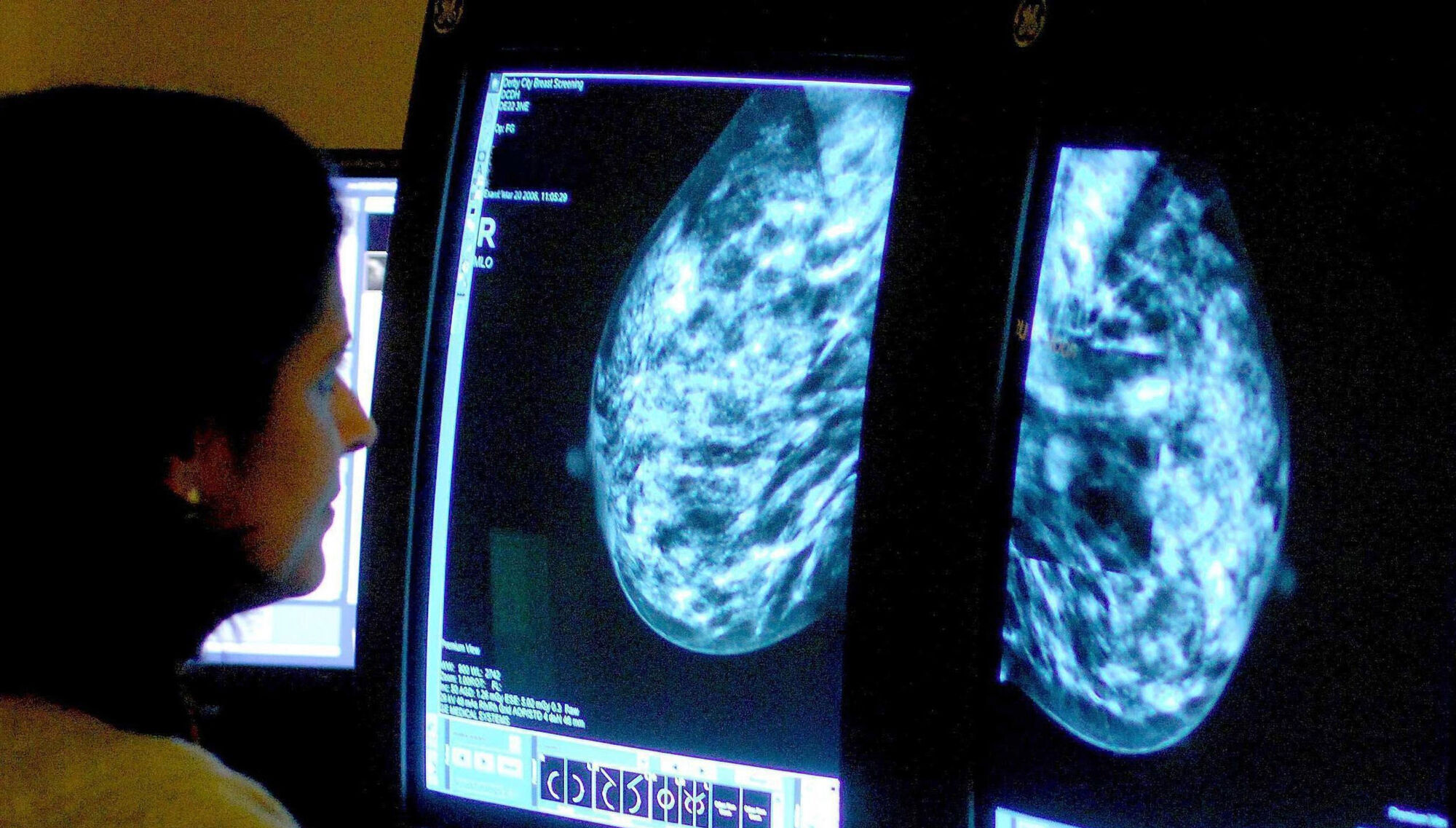
The discovery would help scientists to test the most appropriate drugs on living tissue for the treatment and prevention of breast cancer, said an expert.
Scientists say they have made a potentially “game-changing” breakthrough in breast cancer research after discovering how to preserve breast tissue outside the body for at least a week.
The study found tissue could be preserved in a special gel solution, which will help scientists to identify the most effective drug treatments for patients.

Experts found the preserved breast tissue maintained its structure, cell types, and ability to respond to a series of drugs in the same way as normal breast tissue.
Published in the , the research could bolster the development of new drugs to treat and prevent breast cancer, without the need for testing on animals.
Hannah Harrison, a research fellow at the University of Manchester, said the discovery would help scientists to test the most appropriate drugs on living tissue for the treatment and prevention of breast cancer.
“There are various risk-reducing options for women at high risk of developing breast cancer, for example, those with a significant family history or who have mutations in the BRCA [breast cancer] genes," said Dr Harrison.
“However, not all drugs work for all women. This new approach means that we can start to determine which drugs will work for which women by measuring their impact on living tissue.
Dr Harrison and her team managed to keep breast tissue viable outside the body for relatively long periods.
“By testing different hydrogel formulas we were able to find a solution that preserves human breast tissue for at least a week, and often even longer.
“This is a real game-changer for breast cancer research in many ways. We can better test drugs for both the prevention and treatment of cancer and can examine how factors like breast density, which we know is a risk factor for breast cancer, react to particular hormones or chemicals to see if this has an impact on cancer development.”
Scientists used the gel solution VitroGel to preserve the tissue.
In their work, they said the identification of new drugs had been “hampered by a lack of good pre-clinical models”.
What has been available until now cannot “fully recapitulate the complexities of the human tissue, lacking human extracellular matrix, stroma, and immune cells, all of which are known to influence therapy response”, they said.
Lester Barr, a consultant breast surgeon and founder of Prevent Breast Cancer, said: “It’s really important that we develop new prevention and risk-reduction options for women, especially for those with a high risk due to their family history or genetics.
“This breakthrough means that researchers will be able to test new drugs in the lab with far greater accuracy, which should mean fewer drugs failing at clinical trials and ultimately better results for women affected by this terrible disease."
Globally, breast cancer is the second most common form of cancer, accounting for 11.6% of newly diagnosed cancer cases, behind lung cancer which accounts for 12.4% of new cases, according to the World Health Organization. However, survival rates have improved significantly with women diagnosed with early breast cancer 66% less likely to die from it than they were 20 years ago.
- Guardian