Health service facing 'immense challenges' as population ages
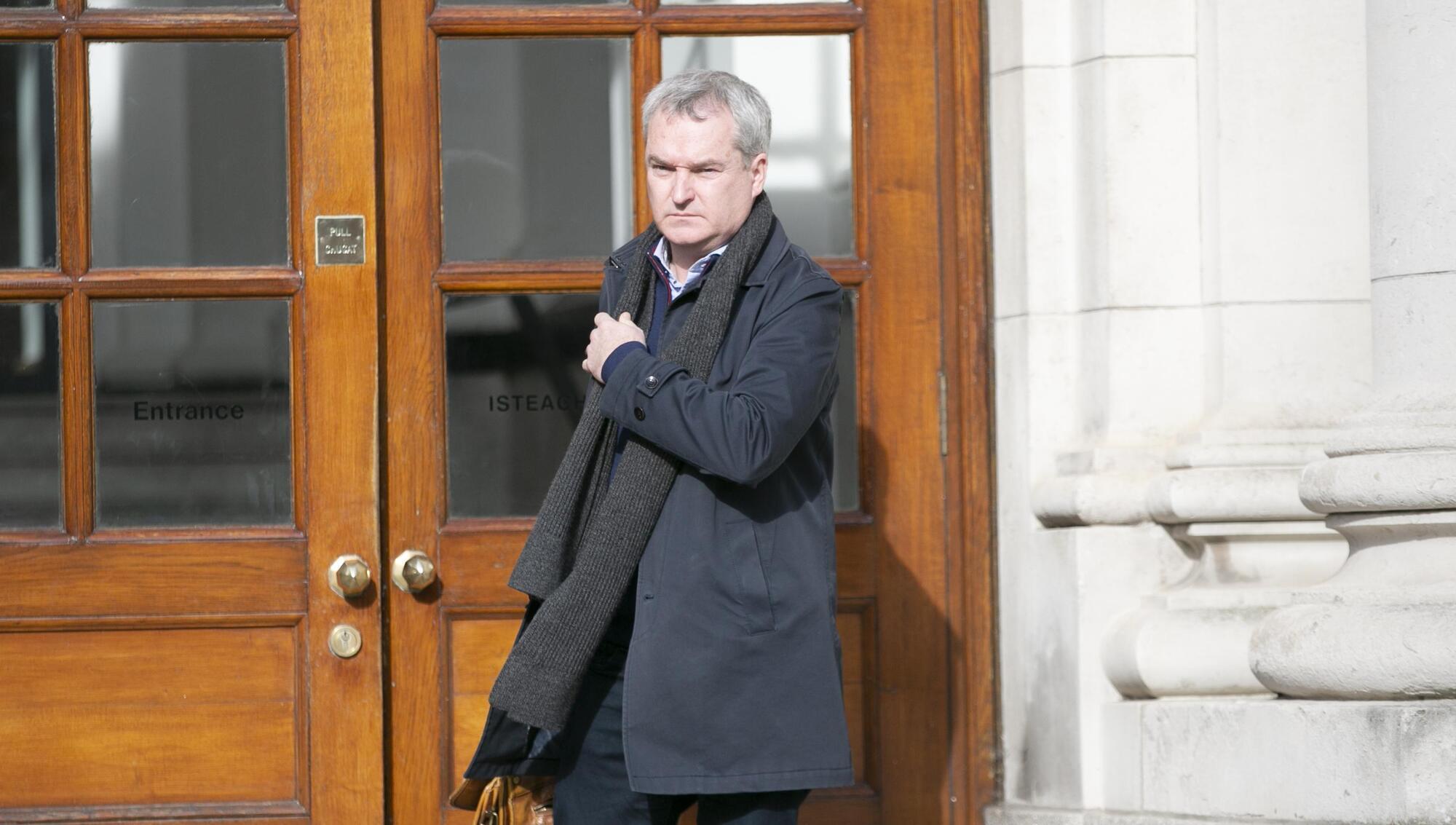
Robert Watt said over the past decade health funding has increased by €9.1bn, from €13.7bn in 2014 to €22.8bn in 2024. Picture: Collins Photos
Ireland’s health service is facing “immense challenges” as the country’s population ages and “must do better”, according to health chiefs.
Speaking at Wednesday's Oireachtas Health Committee, Department of Health secretary-general Robert Watt said that while progress has been made, there is still a lot of room for improvement.
He pointed out that over the past decade health funding has increased by €9.1bn, from €13.7bn in 2014 to €22.8bn in 2024.
As a consequence, he said the health service had been able to add 43,000 healthcare staff to the public service.
He said that in the acute sector, there had been a 68% increase in budget, over €3bn, provided from 2016 to 2022, amounting to a real increase in expenditure of 45%, allowing 16,000 additional acute staff and 1,000 new inpatient beds to open in that time.
However, in an update about the progress of implementing the health service's reform programme Slaintecare, he said: “We must, however, be honest with ourselves if we are to meet the needs of our people in the future.
“In contrast to the 45% increase in real expenditure, activity has only marginally increased across most treatment areas.
“While there has been a 21% growth in the number of emergency patients treated over the period, we have seen a lower increase in activity overall.”
He said: “Despite the progress we are making, we see every day the immense challenges we face as our population increases and ages," adding: "We see them in increased presentations to our Emergency Departments in particular".
He said the population of people over 65 in Ireland is currently 800,000.
“By 2031 that number will have reached a million, by 2041 1.3 million and it will be nearly 1.6 million by 2051, double that of today.
“We simply must do better with the resources at our disposal to meet that challenge.”
He also said that 2,229 consultants — representing approximately 51% of all consultants — had signed up to the new public-only Slaintecare contract by last Thursday, May 2.
Under this contract, consultants can be asked to work 8am to 10pm Monday to Friday and 8am to 6pm Saturday as part of their core 37-hour week.
The contract is a public-only contract, meaning consultants will only treat public patients in public hospitals.
The HSE’s chief operating manager Damien McCallion said the health service is “continuing to see an increased demand” for urgent and emergency care with an 11.5% increase in attendances in the year to date and a 15.8% increase for those aged over 75 attending ED.
He said that despite this, the HSE has managed to achieve a 10% decrease in patients on trolleys, a 16% reduction in patients over 75 delayed over 24 hours, and a 46% decrease in patients delayed waiting in hospital for their care to be transferred to the community.
He added: “However, despite these overall productivity improvements, we continue to see some sites with particular challenges and these remain a key focus for the HSE in order to ensure we improve the experience for patients in those sites.”
On the subject of waiting lists, he said the HSE faces “significant challenges in that referrals for acute hospital services continue to rise post-pandemic at a much higher rate than was previously the case”.


CONNECT WITH US TODAY



Be the first to know the latest news and updates