Increase in non 'White Irish' garda applications welcomed
Among the main minorities, there was a significant rise among Asian or Asian Irish, accounting for almost 5% of applications, up from 3.5% in 2022, with an increase among Black and Black Irish from 1.4% two years ago to 2% this year.
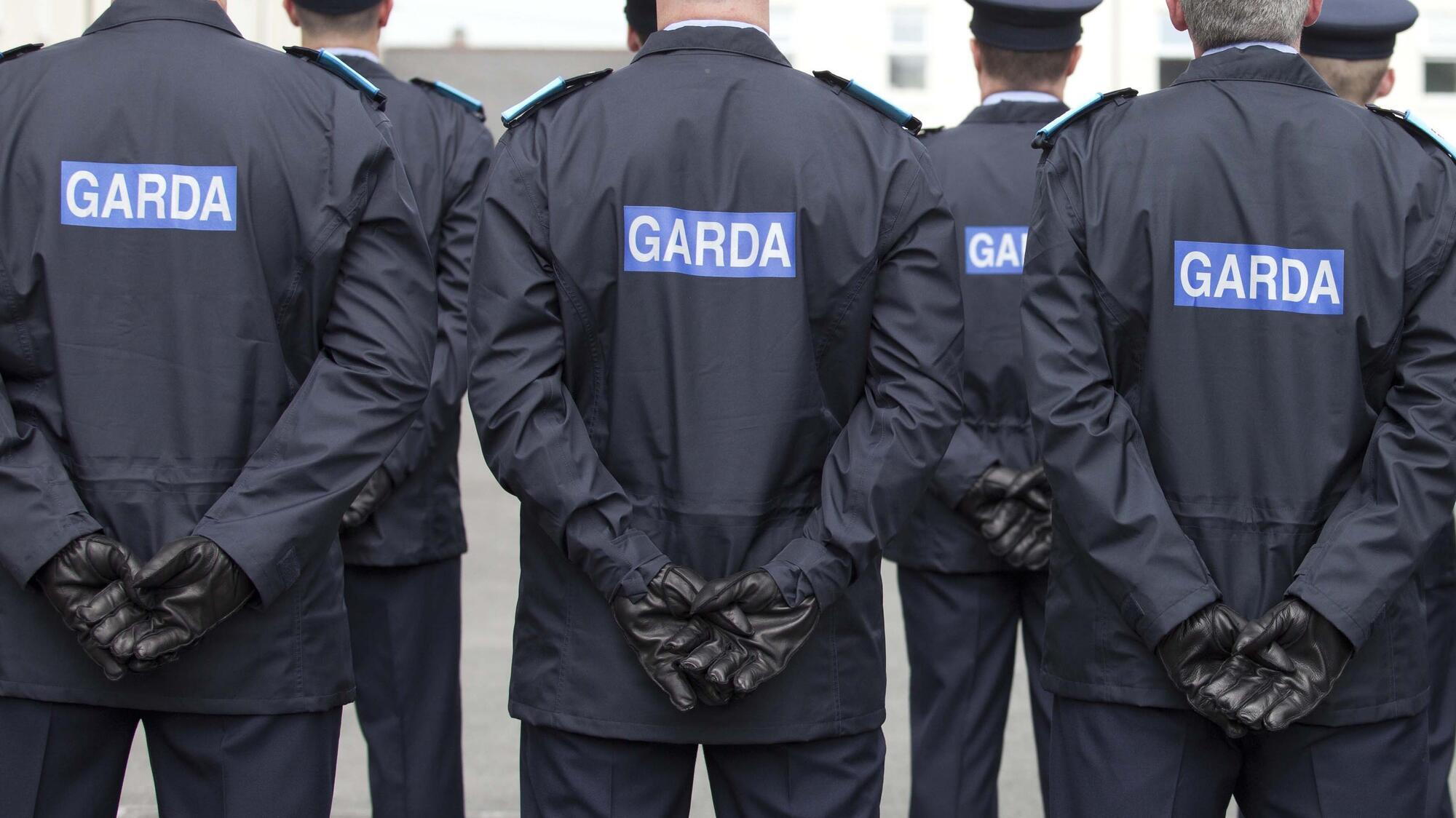
The percentage of people describing themselves as “White Irish” in applications to be a garda has dropped from 88% just five years ago to 73% this year, official figures show.
The data from the Public Appointments Service has been welcomed by immigrant groups and religious minority leaders, who stress the need for An Garda Síochána to be more representative of society and expressed hope that the numbers are reflected in the profile of those accepted into the Garda College.
Among the main minorities, there was a significant rise among Asian or Asian Irish, accounting for almost 5% of applications, up from 3.5% in 2022, with an increase among Black and Black Irish from 1.4% two years ago to 2% this year.
There is a more detailed ethnic breakdown in the Public Appointments Service statistics this time around, with a number of new categories, including Arab (66 applications) and White Roma (35).
In a question that is not mandatory to answer, applicants were asked what their ‘ethnic group/background was’.
Out of the 6,380 applications:
- White Irish – 4,682, representing 73% of the total (77% in 2022 and 88% in 2019);
- Other White background – 848, or 13% of applicants (5.4% in 2022 and 6.9% in 2019);
- Asian/Asian Irish – 313, 4.9% (3.5% and 1.4%);
- Black/Black Irish – 128, 2% (1.4% and 0.6%);
- Mixed – 94, 1.5% *Arab – 66, 1% (not a category before)
- White Irish Traveller – 26, 0.4% (0.4% and 0.3%);
- White Roma – 35, 0.5% (not a category before);
The breakdown shows that 1.3% of applicants did not provide information, compared to 10% in 2022, which could suggest some of the 2022 ethnic categories could have been higher if some of the 10% did provide information.
Fiona Hurley, ceo of migrant centre Nasc, said: “We know that some people from migrant populations in Ireland have a low level of trust in the Gardaí, so we welcome any efforts to increase Gardaí’s understanding of the experiences of minority populations.”
She said it is important that people from different populations are represented in An Garda Siochána, particularly as the number of people from ethnic minorities in Ireland increases.
“We are glad to see the continued commitment to making minority communities aware of recruitment drives," she said. "We look forward to a time when the Garda force in Ireland is truly representative of the community. In the meantime, we hope that we see the increased number of applications from minority populations reflected in the profile of the successful candidates.”
Shaykh Dr Umar Al-Qadri, chair of the Irish Muslim Peace & Integration Council, described the figures as “positive” and “encouraging”.
“Efforts to increase diversity and inclusivity within the Gardaí are crucial for better representation and understanding of different communities.”
The Dublin-based imam, who was recently subjected to a hate attack, said: “It is commendable that almost 20% of the population born outside the State of Ireland are being considered in the application process.
“It is important for organisations like the Gardaí to continue their efforts to be more diverse and inclusive, creating a welcoming environment for individuals from all backgrounds. This will ensure effective policing.”


CONNECT WITH US TODAY



Be the first to know the latest news and updates