Two nights of broken sleep can make people feel years older, finds study
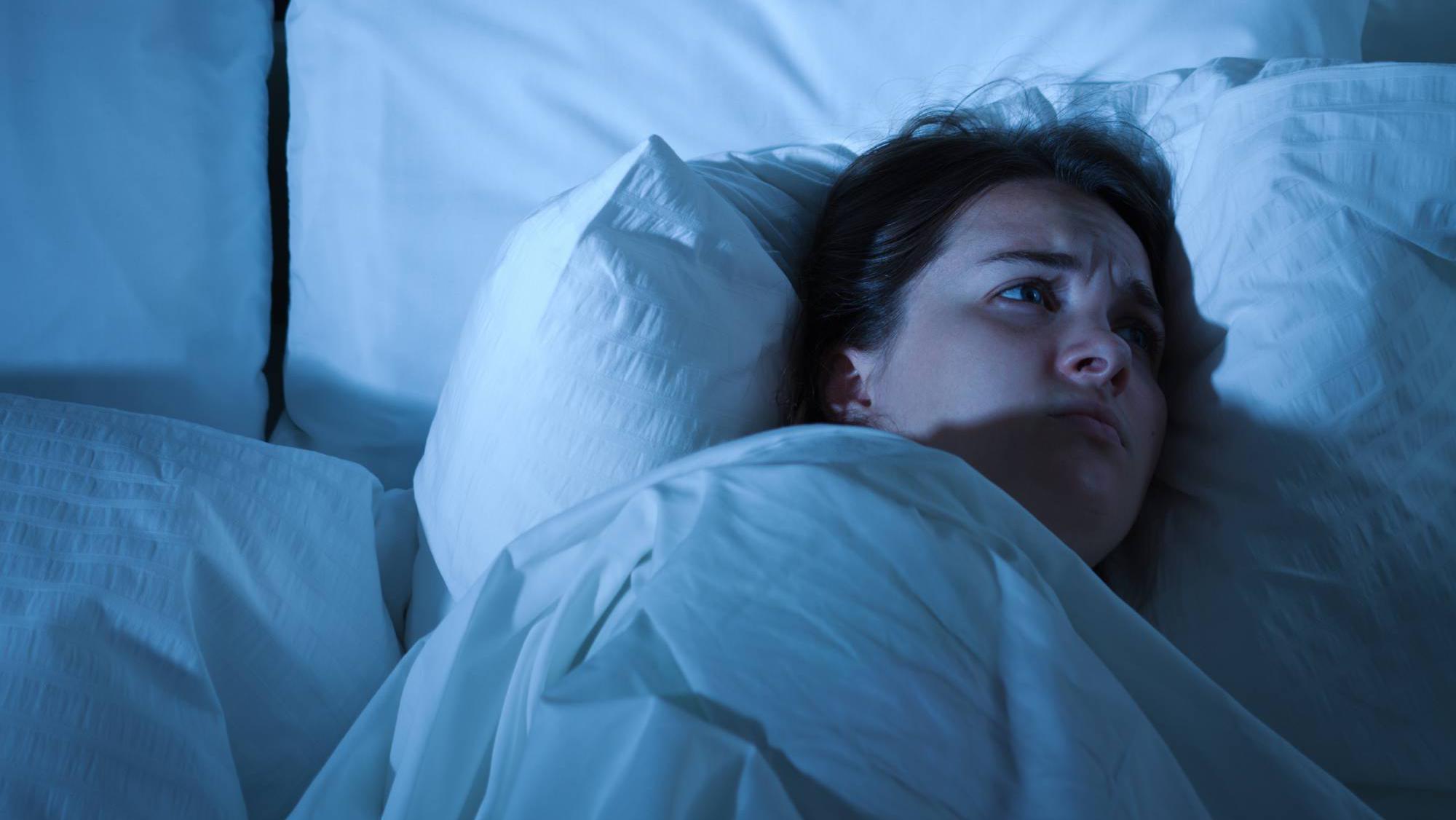
‘If you want to feel young, the most important thing is to protect your sleep,’ says the study’s author.
Two nights of broken sleep are enough to make people feel years older, according to researchers, who said consistent restful slumber was a key factor in helping to stave off feeling one’s true age.
Psychologists in Sweden found that, on average, volunteers felt more than four years older when they were restricted to only four hours of sleep for two consecutive nights, with some claiming the sleepiness made them feel decades older.
The opposite was seen when people were allowed to stay in bed for nine hours, though the effect was more modest, with participants in the study claiming to feel on average three months younger than their real age after ample rest.
“Sleep has a major impact on how old you feel and it’s not only your long-term sleep patterns,” said Dr Leonie Balter, a psychoneuroimmunologist at the Karolinska Institute in Stockholm and first author on the study. “Even when you only sleep less for two nights that has a real impact on how you feel.”
Beyond simply feeling more decrepit, the perception of being many years older may affect people’s health, Dr Balter said, by encouraging unhealthy eating, reducing physical exercise, and making people less willing to socialise and engage in new experiences.
The researchers ran two studies. In the first, 429 people aged 18 to 70 answered questions about how old they felt and on how many nights, if any, they had slept badly in the past month. Their sleepiness was also rated according to a standard scale used in psychology research.
For each day of poor sleep the volunteers felt on average three months older, the scientists found, while those who reported no bad nights in the preceding month felt on average nearly six years younger than their true age. It was unclear, however, whether bad sleep made people feel older or vice versa.
In the second study, the researchers quizzed 186 volunteers aged 18 to 46 on how old they felt after two nights of plentiful sleep, in which they stayed in bed for nine hours each night, and two nights when they slept for only four hours a night. After two nights of restricted sleep, the participants felt on average 4.44 years older than when they had ample sleep. Feeling older was linked, unsurprisingly, to feeling sleepier.
Writing in , the psychologists describe differences in people’s responses to sleep loss depending on whether they were a morning person, who woke and went to bed early, or an evening person who rose late and retired late. Evening types typically felt older than their true age even after plenty of sleep, but morning types were hit harder in how old they felt when their sleep was disrupted.
In separate work, a 10-year study of more than 4,000 Europeans found those who consistently exercised two to three times a week were significantly less likely to suffer from insomnia than inactive people, and better able to clock up the recommended six to nine hours of sleep each night.
The international team of researchers analysed questionnaires from people enrolled in the European community respiratory health survey on their exercise habits, how well and how long they slept, and how sleepy they felt during the day. Volunteers at 21 sites in nine countries were followed for a decade.
Those who exercised two or more times a week, for at least an hour a week, were 42% less likely to have problems falling asleep than inactive people, the study found, and 55% more likely to be “normal sleepers” who got a healthy amount of shut-eye each night.
CONNECT WITH US TODAY



Be the first to know the latest news and updates