Gsoc 'will need to double staffing levels' as it is revamped to become Fiosrú
Gsoc 'will need to double staffing levels' as it is revamped to become Fiosrú

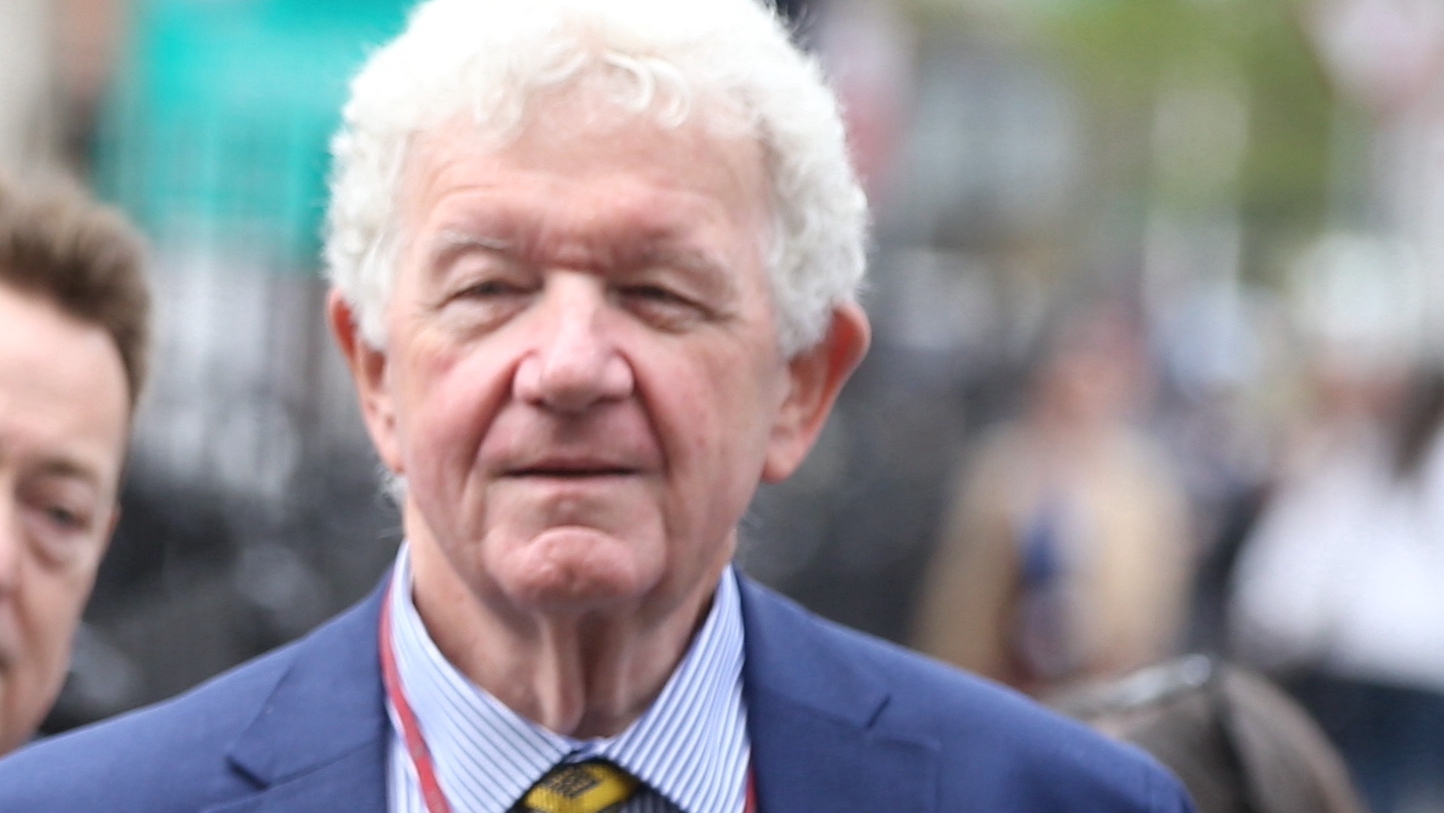
Garda Ombudsman Commission (Gsoc) chairman, Rory MacCabe. The former High Court judge will appear at an Oireachtas committee on Thursday. Picture: Stephen Collins/Collins

The Garda Ombudsman Commission (Gsoc) will need to at least double its staffing in the coming years in order to match its revised remit as a new police ombudsman, an Oireachtas committee will be told on Thursday.

The commission’s chairman, former High Court judge Rory MacCabe, said the increase in staff will be needed in order for it to perform its mandated functions in its new guise.

Gsoc has 163 staff, up from 54 staff at the end of 2022, meaning that Fiosrú, the title of the new entity, will need at least 320 employees to function adequately, according to Mr MacCabe.

He is expected to tell the PAC that it will be “essential” that the new ombudsman see “a considerable increase in our complement of investigative staff”.

“It is our clear aim as a Commission to do everything we can to ensure that the new Office of the Police Ombudsman can do the job that the Oireachtas mandates and to which the public and garda members and staff are entitled,” he is expected to say.

Mr MacCabe will tell the committee that resourcing the new Ombudsman “is not just about money” given the “ongoing challenges in finding and retaining suitably qualified staff”.

To that end, he will say, Gsoc is in the process of procuring a partner within the third-level education sector to design an “accredited training programme” in order to “provide the learning and development opportunities” that the commission’s staff require.

Gsoc’s transition to becoming Fiosrú — a police ombudsman doubling as a new policing complaints body — has been put in train with the passage  through the Dáil of the recent Policing, Security and Community Safety Act 2023.

The new body will “have new structures, new management and a lot more work”, Mr MacCabe will say.

Gsoc — which is charged with overseeing An Garda Síochána along with investigating complaints against gardaí and deaths involving members of the force — had long faced criticism for the length of its investigations of garda matters, a fact the organisation had repeatedly put down to resourcing issues, though its staffing levels had increased by more than 80% over the past six years.

The length of time the body took to process criminal investigations into gardaí more than trebled between 2017 and 2022, from 115 days to 366 days as demands on its resources increased exponentially, meaning it is now taking a full year to conclude such investigations.

Last October, Gsoc said there were “multiple factors” behind the increase, including the volume and complexity of cases and the impact of the Covid pandemic on their investigative processes.

The number of complaints received by Gsoc rose between 2018 and 2021, from 2,944 to 3,760, before dropping to 3,207 in 2022.

The commission’s budget has risen significantly in recent years, up from €13.7m in 2022 to €19.6m for 2024, a hike of 43% in just two years.

Despite this, Mr MacCabe will tell the PAC that resourcing of Gsic remains below the levels required and is “significantly below what the organisation is likely to need in order that Fiosrú can meet its new remit”.

In the wake of November’s Dublin riots, it emerged that there was “some reluctance” among some garda members to use the powers available to them for fear of finding themselves the subject of a Gsoc investigation, according to former Policing Authority chairman Bob Collins.

Read More


x

More in this section

Lunchtime News

Newsletter

Keep up with stories of the day with our lunchtime news wrap and important breaking news alerts.

Cookie Policy Privacy Policy Brand Safety FAQ Help Contact Us Terms and Conditions

© Examiner Echo Group Limited