Those with intellectual disability, mental health condition, or living with autism, more likely to face discrimination in workplace
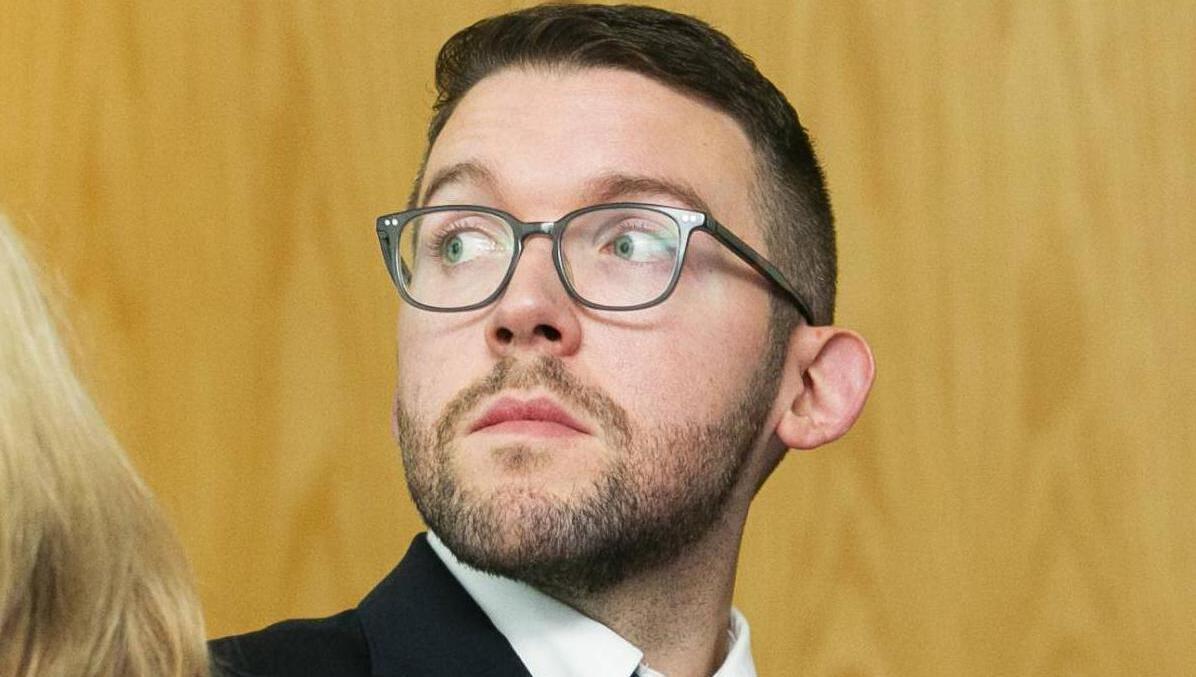
'Although most people express positive attitudes towards people with disability, subtle ableist beliefs may pose a significant challenge for disabled people,' Dr Shane Timmons, lead author of the study, said of its findings.
People with an intellectual disability, mental health condition, or living with autism, are more likely to experience discrimination in the workplace than people with a physical disability, a new survey has found.
The new research carried out by the Economic and Social Research Institute (ESRI) asserts that negative stereotypes of certain disabilities could be used to justify ableist prejudice against those living with them.
Ableism refers to the stigma and discrimination faced by people living with disabilities.
The ESRI’s study, which was funded by the National Disability Authority (NDA), comprised 2,000 adults being read short scenarios of situations depicting potential discrimination, such as qualified candidates failing to secure a job.
The respondents, who each received different versions of the scenarios - in which the nature of the disability and gender varied – at random, were then asked to respond to each.
While respondents generally considered prejudice against disabled people as being unacceptable, the results nevertheless revealed a pattern where higher levels of ableist responses were recorded for those individuals living with mental health conditions, intellectual disabilities, and autism than were afforded to those experiencing sensory or physical disabilities.
One example saw respondents adjudge it more acceptable for a child with autism to have their school hours reduced, as opposed to a child with a speech and language disorder, though all other details of the scenarios remained the same.
The employment scenario, meanwhile, saw candidates listed as applying for a job and feeling the interview process went well – however, the scenarios varied with candidates mentioning they had either a spinal disorder, an anxiety disorder, or were providing care for their mother, and thus would need flexible working arrangements.
Respondents were then asked to judge how acceptable it would be in each scenario for the individual concerned to not be offered the job with no explanation given as to why.
The study found that those asked found it more acceptable for a man with an anxiety disorder to be denied the job compared with the non-disabled man with caring responsibilities.
Likewise, they found it more acceptable for a woman with an anxiety disorder to be turned down for the job compared with another woman with a spinal disorder, with all other elements of the scenario remaining the same.
The study also noted however that ableism was seen on a lower scale with people familiar with disabilities, such as those living with one or whose partner or child were living with one.
It also revealed that ableism and sexism interact to an extent in the context of romantic relationships, with a female single parent living with a disability embarking on a new relationship judged more harshly than a male in the same position.
However, this crossover of ableism and sexism did not manifest in terms of workplace scenarios, the study’s authors said.
“Although most people express positive attitudes towards people with disability, subtle ableist beliefs may pose a significant challenge for disabled people,” Dr Shane Timmons, lead author of the study, said of its findings.
“We see that some forms of ableism may depend on the social situation, the nature of someone’s disability or even on their gender,” Dr Timmons said.
“Improving the inclusion of disabled people in communities and workplaces may help to combat this prejudice and discrimination.”
CONNECT WITH US TODAY



Be the first to know the latest news and updates