'Climate records tumbling like dominoes': 2023 the warmest year on record
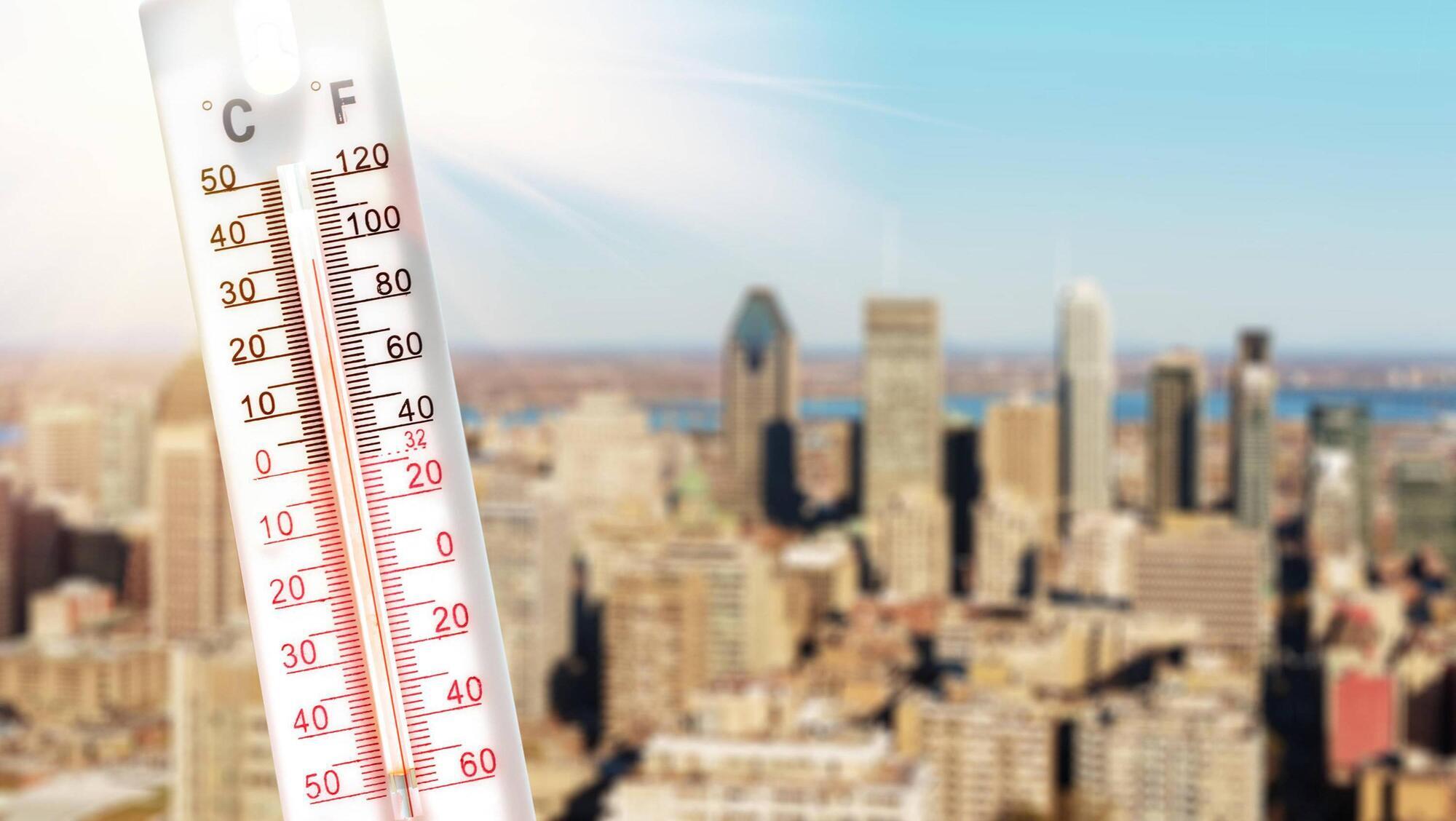
Last July and August were the hottest ever recorded months around the world, while December at an average of 13.5C globally was the hottest ever corresponding month. Picture: Alamy/PA
Global warming is now virtually at the 1.5C limit that scientists say is the tipping point to stave off the worst of climate change, with records “tumbling like dominoes” in 2023.
The EU’s Copernicus Climate Change Service, C3S, said 2023 had smashed the previous record as the warmest year ever “by a large margin”.
It said unprecedented warming from June onwards led to 2023 overtaking 2016 to the unenviable record as the hottest ever recorded, assisted by greenhouse gas emissions and the El Niño weather phenomenon that warms the ocean surface.
C3S deputy director Samantha Burgess said: "2023 was an exceptional year with climate records tumbling like dominoes. Not only is 2023 the warmest year on record, it is also the first year with all days over 1C warmer than the pre-industrial period.
Last year was 0.60C warmer than the 1991-2020 average and 1.48C warmer than the 1850-1900 pre-industrial level, C3S said, adding it is now likely a 12-month period including this month and February will exceed 1.5C above the pre-industrial level.
The landmark Paris Agreement of 2015 set a 1.5C rise in global temperatures compared to 1850-1900 as the limit to avoid the very worst fallout from climate change.
C3S said 2023 marks the first time on record that every day within a year has exceeded 1C above the 1850-1900 pre-industrial level, and that nearly half of days were more than 1.5C warmer than the 1850-1900 level.
Last July and August were the hottest ever recorded months around the world, while December at an average of 13.5C globally was the hottest ever corresponding month.
In Europe, 2023 was the second-warmest year ever, at 1.02C above the 1991-2020 average, 0.17C cooler than 2020, the warmest year on record, with temperatures above average for 11 months.
C3S director Carlo Buontempo said: “The extremes we have observed over the last few months provide a dramatic testimony of how far we now are from the climate in which our civilisation developed.
“This has profound consequences for the Paris Agreement and all human endeavours. If we want to successfully manage our climate risk portfolio, we need to urgently decarbonise our economy whilst using climate data and knowledge to prepare for the future.”
C3S said while the ominous 1.5C limit was broken throughout 2023, it does not mean the world is yet locked into it.
The Paris Agreement refers to periods of at least 20 years where this average temperature anomaly is exceeded but sets a dire precedent, C3S said.
While El Niño explains a lot of the global warming, greenhouse gas emissions were another major driver, it said.
El Niño refers to the warming of the ocean surface, or above-average sea surface temperatures, in the central and eastern tropical Pacific Ocean, affecting the rest of the world when it happens.
The phenomenon returned this year after the third winter of the La Niña water cooling phenomenon, in a highly unusual "triple dip" situation.
However, greenhouse gas concentrations in 2023 reached the highest levels ever recorded in the atmosphere, according to C3S.
CLIMATE & SUSTAINABILITY HUB