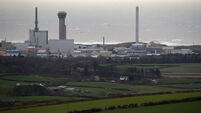
Fossil fuel giants insist oil and gas use cannot be phased out, despite 2023 being warmest year ever
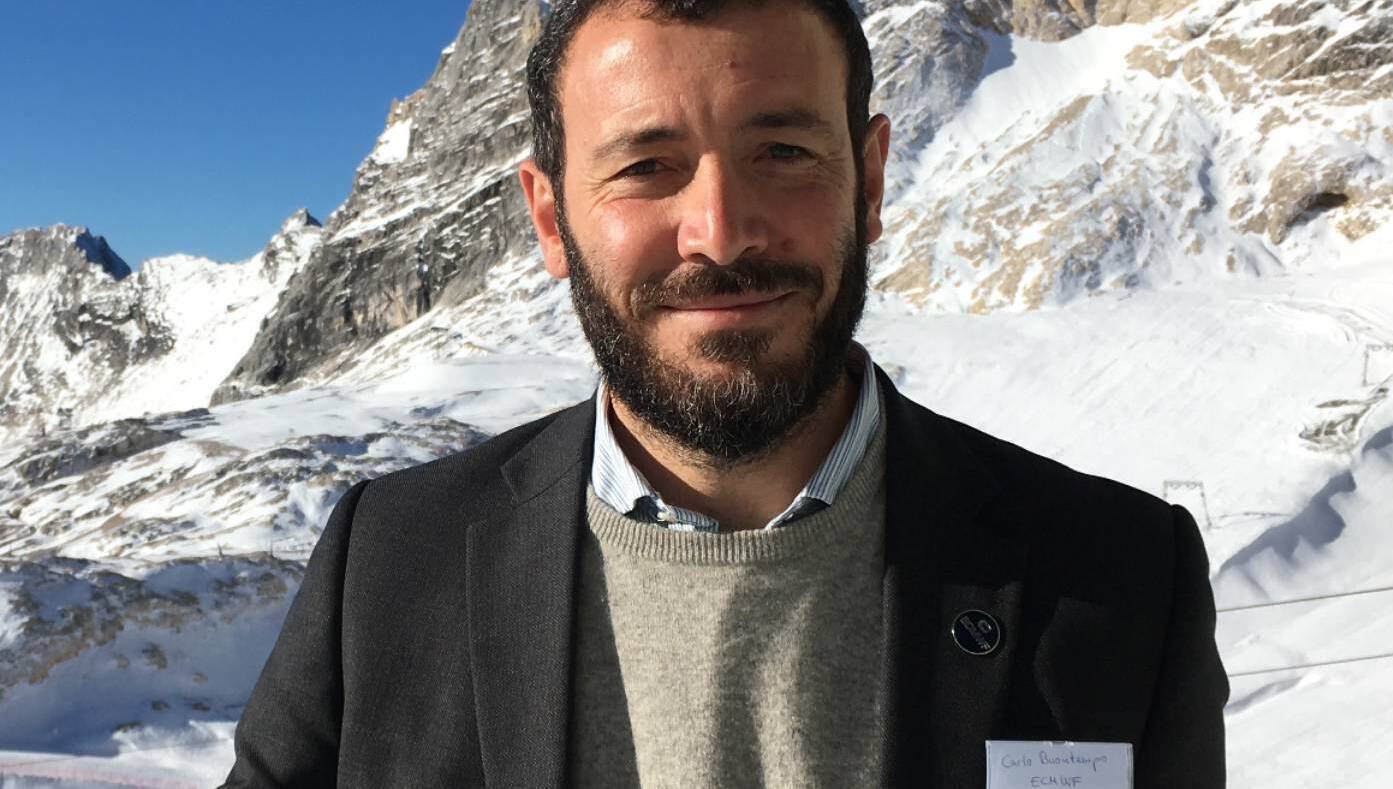
C3S director Carlo Buontempo, warned: "As long as greenhouse gas concentrations keep rising, we can’t expect different outcomes from those seen this year."
Fossil fuel giants have insisted that oil and gas use cannot be phased out, even as climate data confirms 2023 as the warmest year ever with ominous signs the world is heading to a 2C increase that scientists say will bring disaster.
There have been six months in 2023 that have broken global warming records. There were also two days in November exceeding the 2C temperature limit that scientists say will cause massive losses to ecology, biodiversity, and human settlements.
The EU's Copernicus Climate Change Service, C3S, unveiled the latest data as it emerged that fossil fuel delegates have four times as many passes to the UN's climate change summit Cop28 in Dubai as they did to the 2022 event.
C3S director Carlo Buontempo, warned: "As long as greenhouse gas concentrations keep rising, we can’t expect different outcomes from those seen this year. The temperature will keep rising and so will the impacts of heatwaves and droughts."
Any progress on limiting global warming to 1.5C above the pre-industrial age threatens to be overshadowed by the dominance of oil and gas delegates in Dubai, who outnumber those of the world's 10 most vulnerable countries.
CLIMATE & SUSTAINABILITY HUB
If the fossil fuel lobby was a country, its numbers of delegates — 2,456 — would only be beaten by Brazil, with more than 3,000 in attendance and the host United Arab Emirates with 4,400, an analysis by the Kick Big Polluters Out coalition found.
C3S in its report for November said that 2023 is the warmest in recorded history, even without factoring in what December will bring.
Global air temperatures were 0.85C above the 1991-2020 average for November and 0.32C above the temperature of the previous warmest November in 2020, according to C3S.
November was about 1.75C warmer than an estimate of the November average for 1850-1900, the designated pre-industrial reference period.
C3S deputy director Samantha Burgess said: "2023 has now had six record breaking months and two record breaking seasons. The extraordinary global November temperatures, including two days warmer than 2C above preindustrial, mean that 2023 is the warmest year in recorded history.”
A 1.5C rise in temperatures was set as the goal limit for the rise globally at Cop21 in Paris in 2015, compared to 1850-1900, in order to stave off the very worst fallout from climate change.
According to scientific modelling, a 2C rise would mean the likes of coral reefs would die off, ice sheets in Greenland and Antarctica would melt and cause huge rises in sea levels — making prominent coastal cities and settlements vulnerable in decades to come — and there would be untold wipeout of much of the world’s biodiversity, which is already teetering.
Despite the overwhelming evidence that fossil fuel emissions are accelerating global warming, Cop28 in Dubai has seen fierce resistance from oil and gas producers to phase out their emissions, including from the event's president.
Sultan Ahmed al-Jaber, who is head of Abu Dhabi National Oil Company, told former Irish president Mary Robinson in a contentious online exchange before Cop28 that there is "no science" behind the aim of reducing fossil fuels if global warming is to be kept to 1.5C, in direct contradiction to the almost unanimous consensus of global scientists.
In Dubai, Tuesday's focus on energy at Cop28 brought even more doubling down on fossil fuel usage by oil and gas companies who took to the stage to insist phasing out is not realistic, while Saudi Arabia's energy minister Prince Abdulaziz bin Salman told Bloomberg that even a phase down on fossil fuels was "absolutely not" something to which his country would agree.
As the debate around fossil fuels rages on, more than 200 researchers warned the planet is nearing several so-called "tipping points" that would have catastrophic consequences globally unless fossil fuel usage is reined in, including the Amazon rainforest becoming a savannah.
CLIMATE & SUSTAINABILITY HUB
CONNECT WITH US TODAY



Be the first to know the latest news and updates