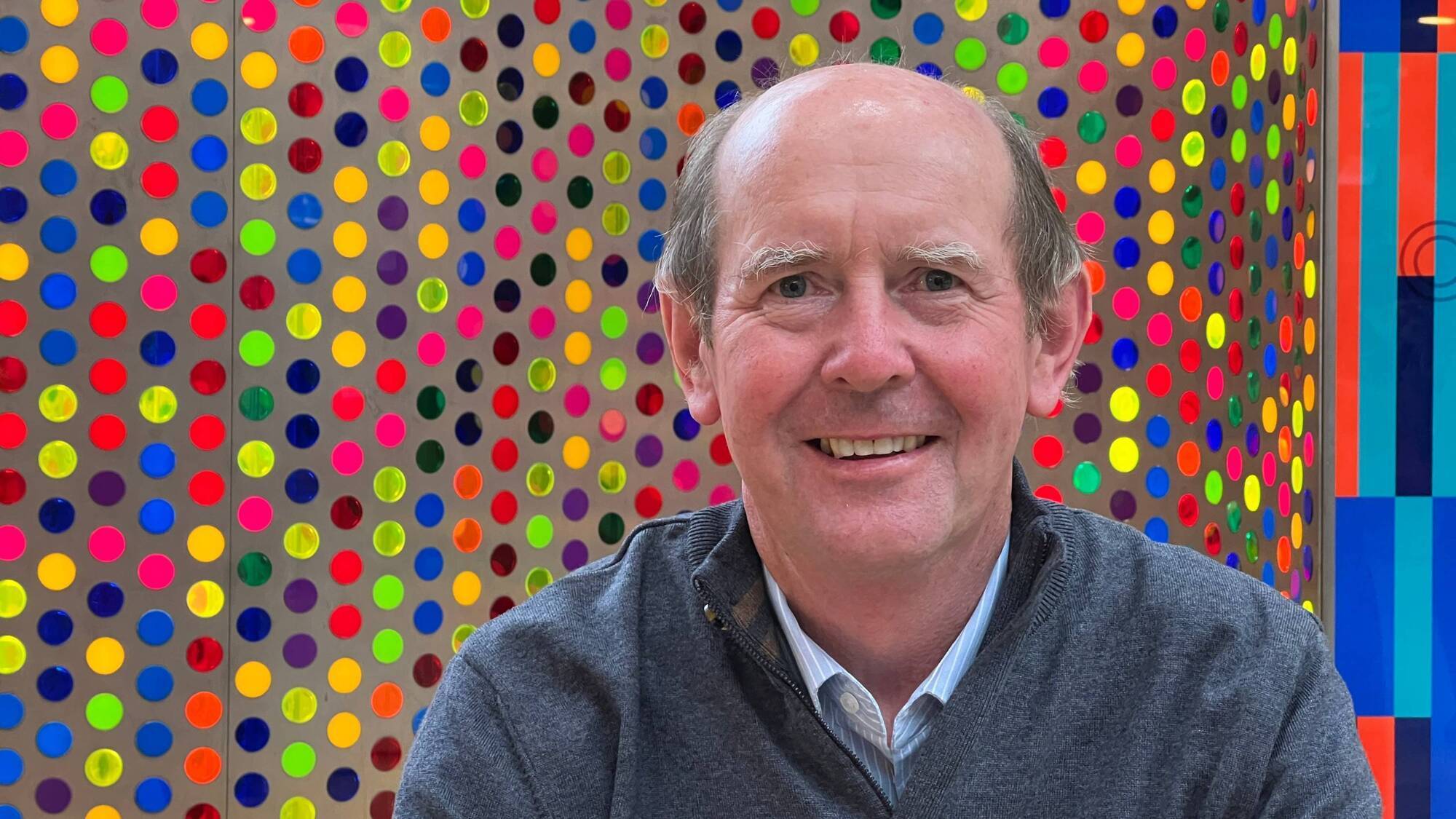
A man who received an advanced therapy treating his cancer has called on the Government to develop a national strategy for its use.
Pat Byrne was one of the first people to receive CAR-T treatment in Ireland.

The treatment, which uses modified cells from a person’s own body to fight cancer, has the potential to prove life-saving for some patients diagnosed with certain types of blood cancers, such as lymphoma, leukaemia, and myeloma
However, a report by a team of researchers in Maynooth University in collaboration with the Cork-based Breakthrough Cancer Research showed that it is likely to be too expensive to provide these therapies at a “significant scale under the current commercial routes through which they are available”.
Mr Byrne said: “Receiving the CAR-T therapy was the best 11 minutes of my life. The treatments I was receiving previously had stopped working. I feel very fortunate to have received CAR-T treatment.
My recovery has been steady. I am now in remission, and I am particularly delighted that there is no requirement for any other medications.
"I am also delighted that since having CAR-T therapies I have been able to travel abroad to see my family. I would like to see this treatment being available to all who need it.”
Breakthrough Cancer Research CEO Orla Dolan said that the treatment was “fantastic and life-changing but needs to be a bigger revolution”.
She said: “We need it to be delivered at national level to everyone that can benefit. We need cutting-edge facilities, expertise, and funding.
“We have to be ready for the future now and get the framework in place as this is the first of many exciting new treatments on the way.
"We can’t have structural issues in our system where people can’t get access to life-saving solutions.”
44,000 cases a year
In 2022, there were around 10,310 deaths from cancer in Ireland, while an estimated 44,000 people in Ireland get cancer each year.
Where the CAR-T treatment is successful, in some cases, it has led to cancer going into remission — where such patients were previously terminally ill with no other clinically indicated treatment options.
While there are side effects associated with CAR-T therapies clinical teams are developing strategies to reduce these risks.

Cancel anytime
CONNECT WITH US TODAY
Be the first to know the latest news and updates
More in this section