Calls for training for gardaí on impacts of stalking

Victims are experiencing many types of stalking behaviours (emails, threats, hacking, following or attending their home or workplace) it could mean that they have fewer spaces they feel safe to retreat to or recover.
Gardaí and support services need training on the psychological impacts of stalking, a leading campaigner has said.
Eve McDowell, co-founder of Stalking Ireland, said the impacts documented in new research conducted in Britain would be similar in Ireland and could even be “prolonged even further” due to the lack of stalking support services here.
Ms McDowell was responding to a study conducted by psychologists at the University of Kent in partnership with a British personal safety and stalking charity, the Suzy Lamplugh Trust.
Based on data from the UK National Stalking Helpline, operated by the trust, researchers found:
- 91.5% of victims disclosed psychological impacts of stalking such as anxiety, depression and substance abuse;
- 54% disclosed practical impacts on their lives, such as investing in extra security, limiting social activities and changing their workplace or home;
- 35% said the stalking had an impact on other people around them, such as children, family, friends and colleagues
The study found that because victims are experiencing so many types of stalking behaviours (emails, threats, hacking, following or attending their home or workplace) it could mean that they have fewer spaces they feel safe to retreat to or recover.
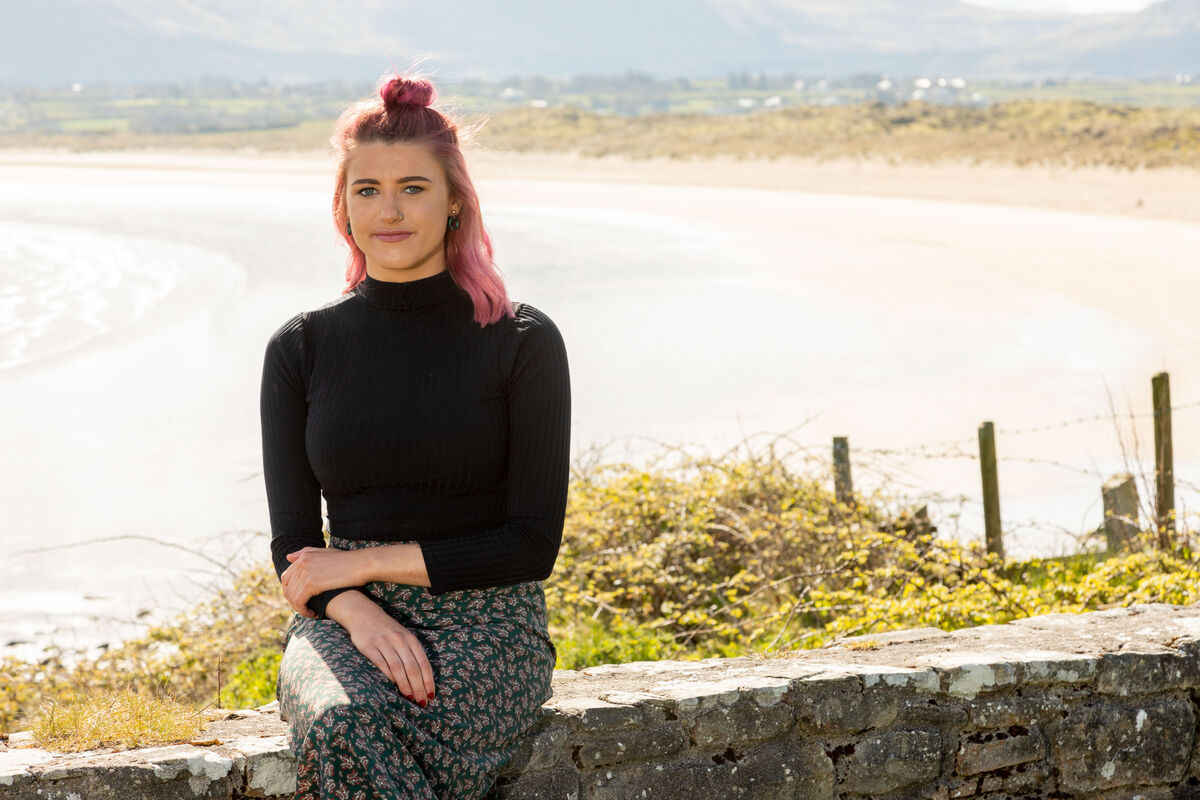
Commenting on the findings, Ms McDowell, who set up Stalking Ireland with Una Ring, said the effects would be similar in Ireland.
“In addition, due to no specific stalking support services being available, one can see how the impacts would be prolonged even further for Irish victims/survivors,” she said.
She said stalking is only mentioned in the Department of Justice's Zero Tolerance Implementation plan in a legislative sense.
Each stalking case can look so different it is hard for society and services to understand how someone who is being stalked may be affected, she said.
“They may even fail to recognise the situation as stalking, because instead of looking for specific behaviours we need to be looking for a pattern of behaviours,” Ms McDowell said. “Which is why we need training for Gardaí, but also support services, and education environments.”
Ms McDowell was stalked by a man at her work and home but gardaí could not act as, at the time, stalking was not a criminal offence. The perpetrator was only apprehended, and jailed for seven years, when he broke into her apartment and attacked her roommate with a hammer.
“I personally have experienced almost all of the impacts mentioned, and more beyond those,” Ms McDowell said.
She said survivors have to deal with these impacts while continuing on with their everyday lives.
“Someone who has experienced stalking can feel strong and independent one day, and the next they could have woken up from night terrors and be back in that place of paranoia and stress," she said.
She said the statistics from the British research show that mental health services need more visibility around the impacts of stalking on victims and the people around them.
“The high levels of PTSD [post traumatic stress disorder] and CPTSD [complex PTSD] experienced by people who are stalked will continue to manifest if they are not provided with support,” she said.

CONNECT WITH US TODAY



Be the first to know the latest news and updates