Middle-and-upper-middle income earners face housing affordability issues
The Parliamentary Budget Office said the Government’s Housing for All targets are vastly underestimating demand.
A significant proportion of middle-and-upper-middle income earners face affordability issues when it comes to buying a home in Ireland, a new report has said.
And, even couples earning the average wage struggle to buy in Dublin, its commuter belt, and to a lesser extent Cork and Galway, according to a new analysis from the Government’s independent Parliamentary Budget Office (PBO).
The most recent data from the CSO notes that property prices increased by 1.5% in the twelve months to July, spiking at a sharper rate outside the capital. The median price paid for a house in that time was €320,000.
The PBO report comes ahead of Budget 2024, which is expected to introduce a targeted mortgage relief scheme and supports for renters.
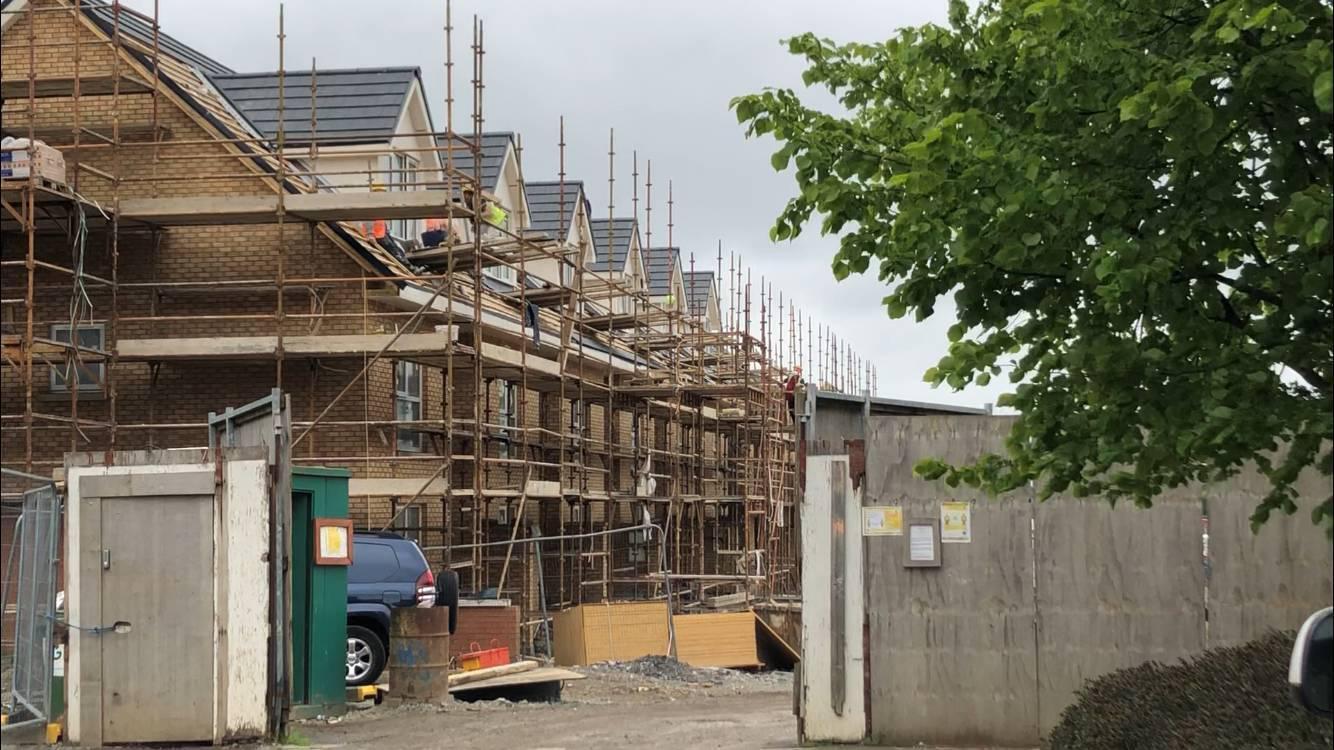
However, the PBO said that the Government’s Housing for All targets are vastly underestimating demand.
“Current demand estimates are between 40,000 and 50,000 units required per year,” it said. “However, the Government’s Housing for All strategy aims to build only 33,000 units per year, leading to annual deficits that cumulate over time.”
It suggested that supply targets may need to be revised to meet demand and tackle affordability challenges in Ireland.
Basing their findings on Revenue earnings data for 2021, it said a single worker on the average wage would find houses “affordable” in Leitrim, Longford, and Roscommon. In 18 counties, there was a gap of at least €10,000 between what the average earnings in that county were and the salary a single person would need to afford a home.
The PBO also said a significant factor in the housing market was the prevalence of non-household buyers, such as investment funds, charitable organisations, and State bodies.
In 2012, such non-household buyers bought 13.5% of new builds. This rose to 42% in 2022 as the proportion of first-time buyers buying their first home dropped in that 10-year period.
In Dublin, this dynamic has shifted “dramatically” the PBO said as non-household buyers purchased 58% of new builds in the capital last year.
“Although these purchasers include approved housing bodies, that ultimately provide social housing, this change has placed further demand pressures on private household purchasers in the market," it said.


CONNECT WITH US TODAY



Be the first to know the latest news and updates