Screening test developed by UCC can help detect pre-eclampsia risk
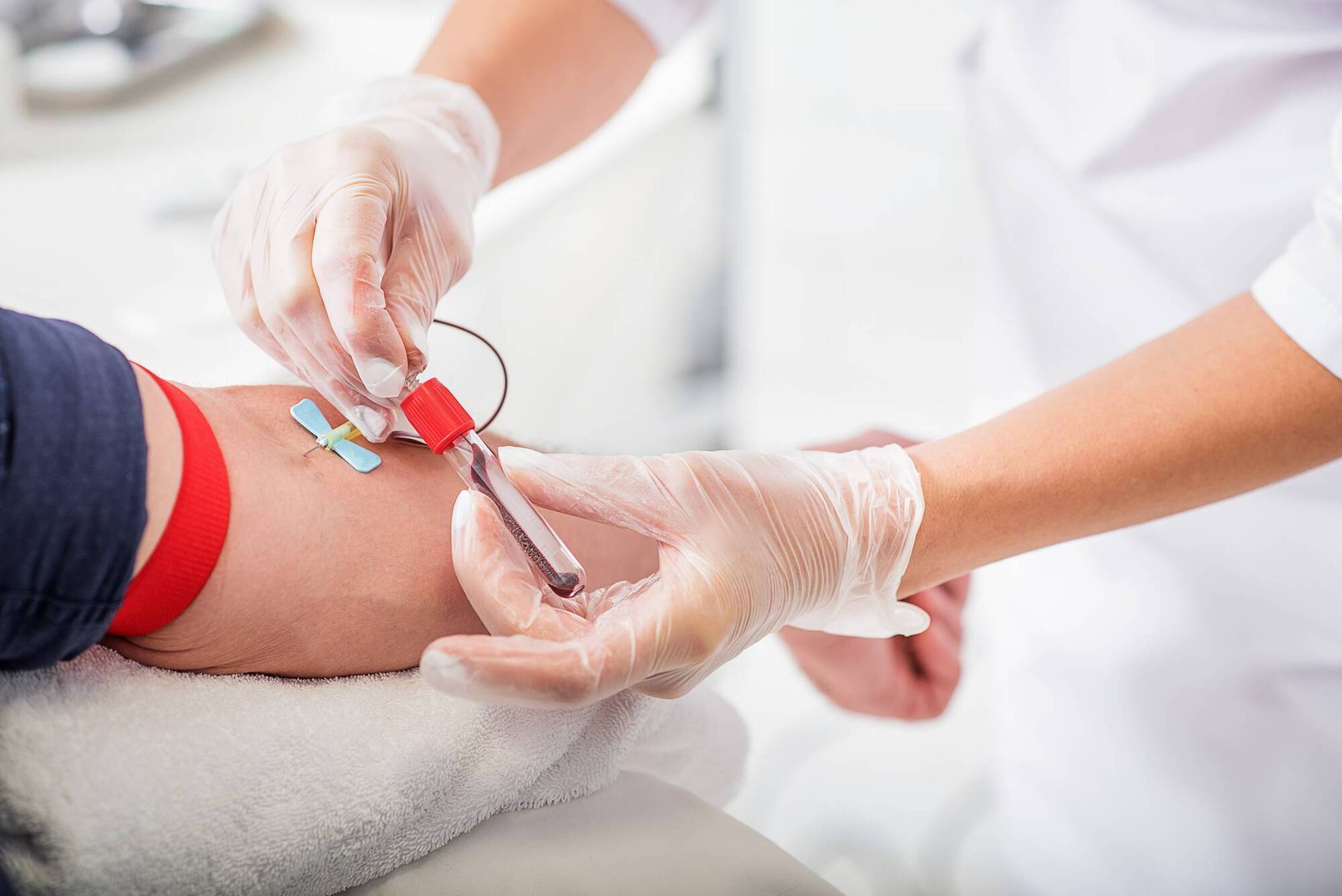
The research, led by University College Cork spin-out company Metabolomic Diagnostics, in collaboration with King’s College Hospital London, shows a 15% increase in detection rates for the condition by developing a simple, low-cost blood test suitable for population screening. File picture
Irish scientists have developed a new method of identifying pregnant women at imminent risk of developing pre-eclampsia, one of the leading causes of disability and death in expectant mothers.
The research, led by University College Cork spin-out company Metabolomic Diagnostics, in collaboration with King’s College Hospital London, shows a 15% increase in detection rates for the condition by developing a simple, low-cost blood test suitable for population screening.
The research outlines a significant development made in the screening process, allowing professionals to create personalised screening strategies tailored to individual patient profiles.
Pre-term pre-eclampsia is categorised as one of the leading causes of maternal and perinatal death globally, causing 70,000 maternal deaths and 500,000 foetal deaths each year. Signs of the condition include high blood pressure, high levels of protein in urine indicating kidney damage, or other signs of organ damage.
The condition can be difficult to detect, as it affects women of different races differently, placing black women at the highest risk. Other risk factors include a first-time pregnancy, diabetes, an elevated body mass index, or a medical history featuring hypertension or chronic kidney disease.
These risk factors were included in the study to demonstrate that risk screening can be personalised.
CEO and CSO of Metabolomic Diagnostics, Dr Robin Tuytten welcomed the discovery. “Our goal is to improve health equity by facilitating patient access to screening, acknowledging that every pregnant patient is different and achieving better pregnancy outcomes for all families,"
The research uses a combination of metabolite biomarkers and established clinical markers to develop the new blood test. “This test can be combined with current first-trimester clinical protocols in place, making risk of pre-eclampsia prediction simple, robust and accessible,” the research found.
UCC Vice President for Research and Innovation at UCC, Professor John F. Cryan, welcomed the “significant advancement”.
“It is great to see a UCC spin-out company breaking ground by working to detect a leading cause of disability and death in infants as a result of this hypertensive disorder,” he said.
CONNECT WITH US TODAY



Be the first to know the latest news and updates