RSA wants average speed cameras on rural roads
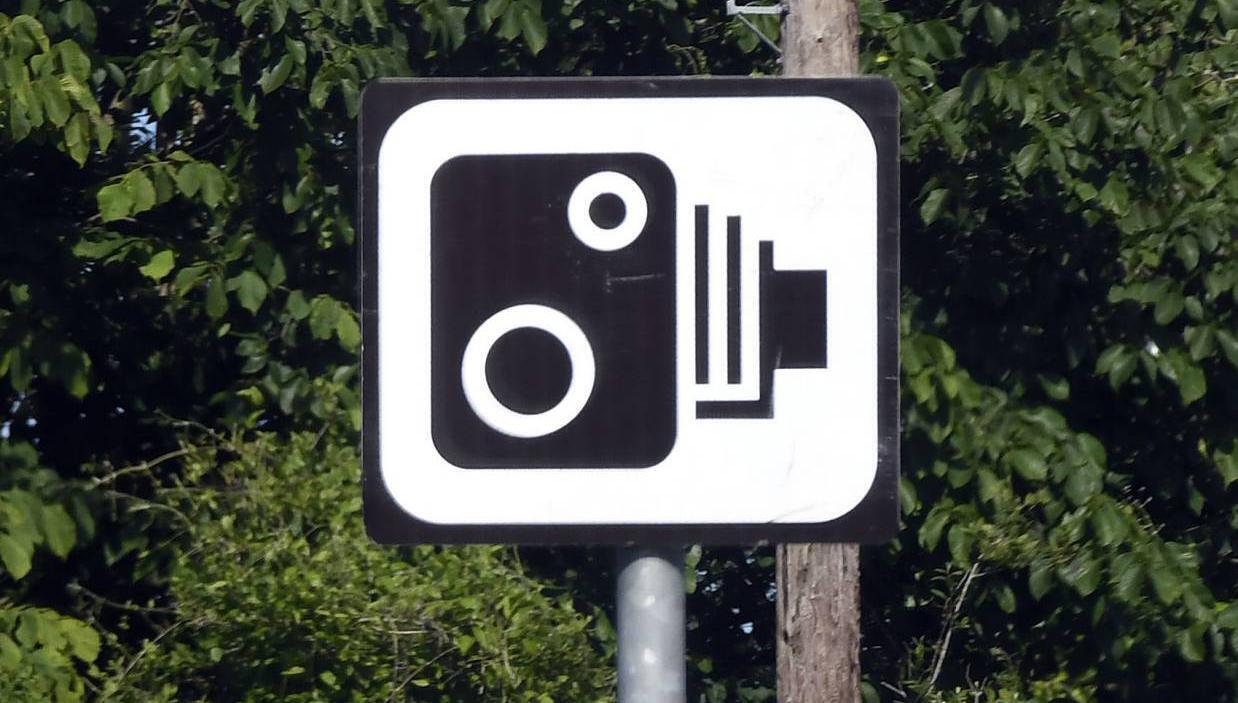
Average speed cameras are 'an effective way of monitoring traffic and changing behaviour for the better', the the Oireachtas transport committee was told. Picture: Denis Minihane
The Road Safety Authority (RSA) is advocating for the use of mobile average speed cameras on rural roads across the country.
The body also confirmed it was targeting its advertising at different cohorts, with younger people receiving ads warning that they could be prevented from travelling to the US on a J1 visa with a drink-driving conviction.
At the Oireachtas transport committee, RSA chief executive Sam Waide said there was a role for average speed cameras, particularly mobile technology, in more rural areas.
Average speed cameras, which track how long it takes for a car to travel between two points and calculate the average speed, are currently used on both the M7 motorway and Dublin Port tunnel.
“There is the ability to use those mobile average speed cameras on rural roads where there is collision hotspots, outside schools, outside community clubs where there is a road safety problem,” said Mr Waide.
“I would advocate that as a solution.
“Average speed cameras are not the only answer but it actually is quite an effective way of monitoring traffic and changing behaviour for the better.”
Assistant Garda Commissioner Paula Hilman told the committee that, at present, speed cameras across the country are capable of catching people who are not wearing seatbelts or are using their phones.
“We're going to have to work through just the legislative issues and then work through the data protection impact assessment,” said Asst Comm Hilman.
On advertising, the RSA’s director of partnerships and external affairs Sarah O’Connor said it was tailoring adverts for specific age cohorts.
Ms O’Connor highlighted a series of ads run online targeting young people, warning them away from drink and drug driving by implying they will not be able to travel abroad on a J1 visa with a conviction.
“We've run a specific campaign about the implications of losing the opportunity of going on a J1 visa to the States,” said Ms O’Connor.
“That has run on digital channels where we know young people are engaged, where they’re interested.
"It will have followed people around on the internet, on social media, on digital platforms where they are, where they exist, where their lives are.”
Ms O’Connor said the ads were run on platforms such as YouTube and TikTok, where younger audiences were more likely to see them compared with traditional television advertising.
“Really, it's about going to the right channel or the right place to find the right audience with the right message.”
CONNECT WITH US TODAY



Be the first to know the latest news and updates