Irish coastal survey identifies 'carpets' of green algae and 'huge numbers of dying cockles'
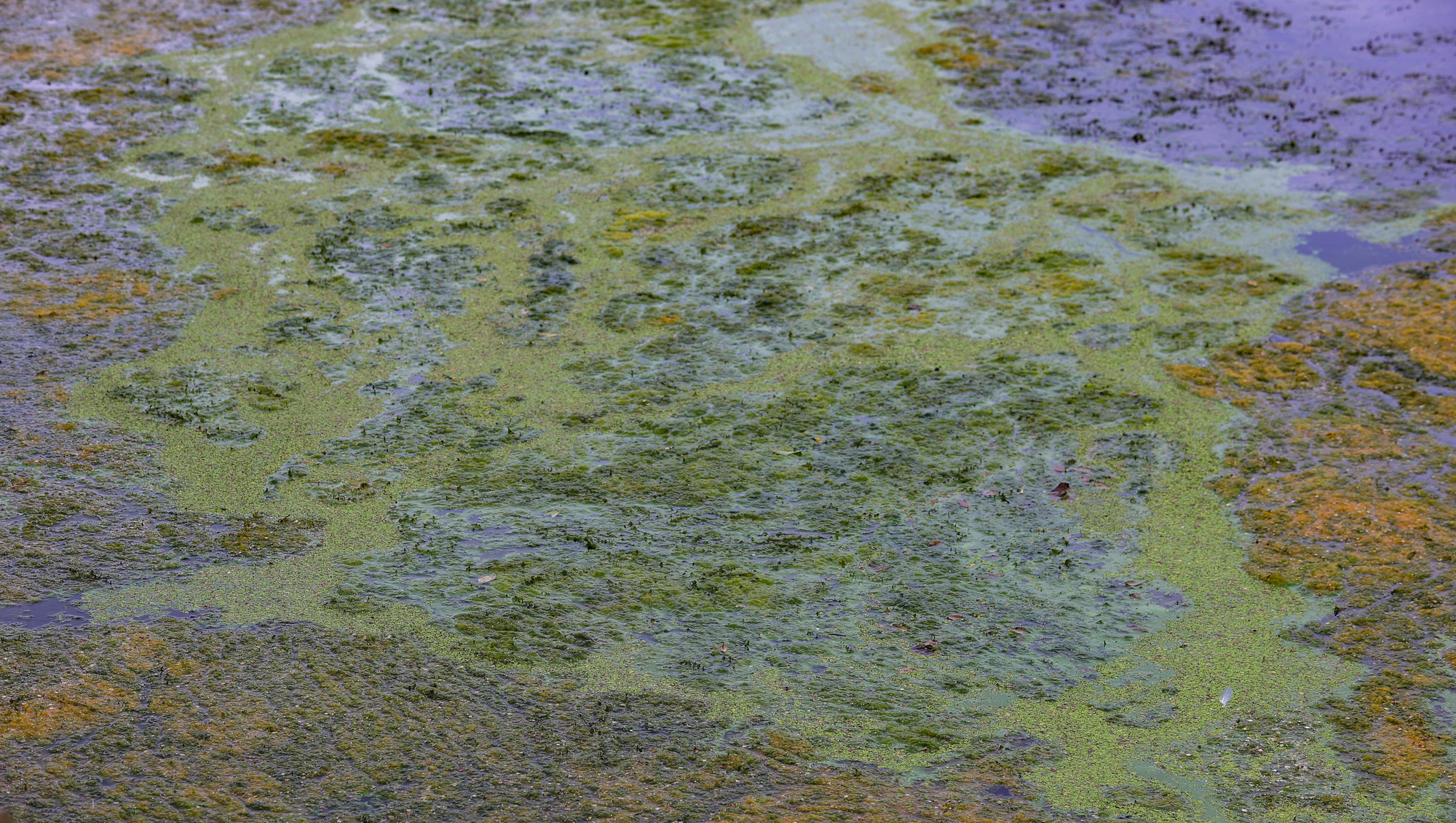
Algae on the surface of Lough Neagh at Ballyronan Marina last week.
A citizen survey of Ireland's coasts has so far reported worrying signs, including "carpets of opportunistic green algae and sludge layers" in parts of West Cork and Dublin Bay.
The Coastwatch survey, which has been going for 36 years, has scores of volunteers all over the country examining and monitoring areas of about 500m, spending an hour taking notes and auditing the health of the patch of chosen shoreline.
While there have been positive findings in Wexford, Galway, and Dublin, there has been concern about the levels of algae in West Cork and Dublin Bay, Coastwatch said.
The environmental organisation said volunteers had reported layers of harmful algae in the areas, "with small streams and pipes carrying high or extremely high nitrate discharges into the bays", thereby feeding the existing problem.
Harmful algae has been in the public eye in recent weeks, with Lough Neagh, Ireland’s largest freshwater lake, which supplies 40% of the North's drinking water, oozing bright blue-green algae on the surface.
The state of the biggest lake in Ireland and Britain has made international headlines and prompted calls for the Northern Assembly to be recalled, with SDLP Assembly leader Matthew O’Toole calling it “a catastrophe on a level that far outstrips any other”.
According to the Environmental Protection Agency (EPA), nitrate and phosphorus help plants grow, but too much of these nutrients in water can cause over growth of aquatic plants and algae which leads to eutrophication — the scientific process resulting in dead zones and fish kills.

The excessive growth out-competes other plants, uses up dissolved oxygen, and blocks light to deeper waters, leading to imbalances in the ecosystem, the EPA adds.
Coastwatch added that the current findings of the survey show "huge numbers of dying cockles on the Duncannon shore in Co Wexford".
"This is at least the third such event in the last five years and this has to be researched properly," it warned.
On the positive side, volunteers reported new seagrass beds — one lawn in Co Wexford, and two meadows in Dublin and Galway.
"The seagrass lawn has reappeared in a spot where it was last seen about two decades ago, giving hope in nature’s ability to recover," Coastwatch said.
There has been a wide variety of sea life delighting surveyors young and old, with some superb images submitted, it added.
It said so far, shores which typically suffered plastic pellet pollution after bad weather, are reported way cleaner or even free of them.
Coastwatch said weather permitting, the survey effort will peak next weekend at the lowest tides, as it called for more volunteers to register a 500m slot on the coastwatch.org website.
Co-founder of Coastwatch Karin Dubsky said: "All the materials, except water test kits, are on coastwatch.org, where you can now also book your survey sites yourself. We also have hard copies of posters and forms and Coastwatch regional coordinators are ready to help newcomers and groups to get going."
Dublin Fingal coordinator Michael Walsh said any low tide when the sea is safe between now and October 15 is a good time to take part in the survey.