Warning of 'real and serious risk' of medicine shortages in year ahead
Warning of 'real and serious risk' of medicine shortages in year ahead

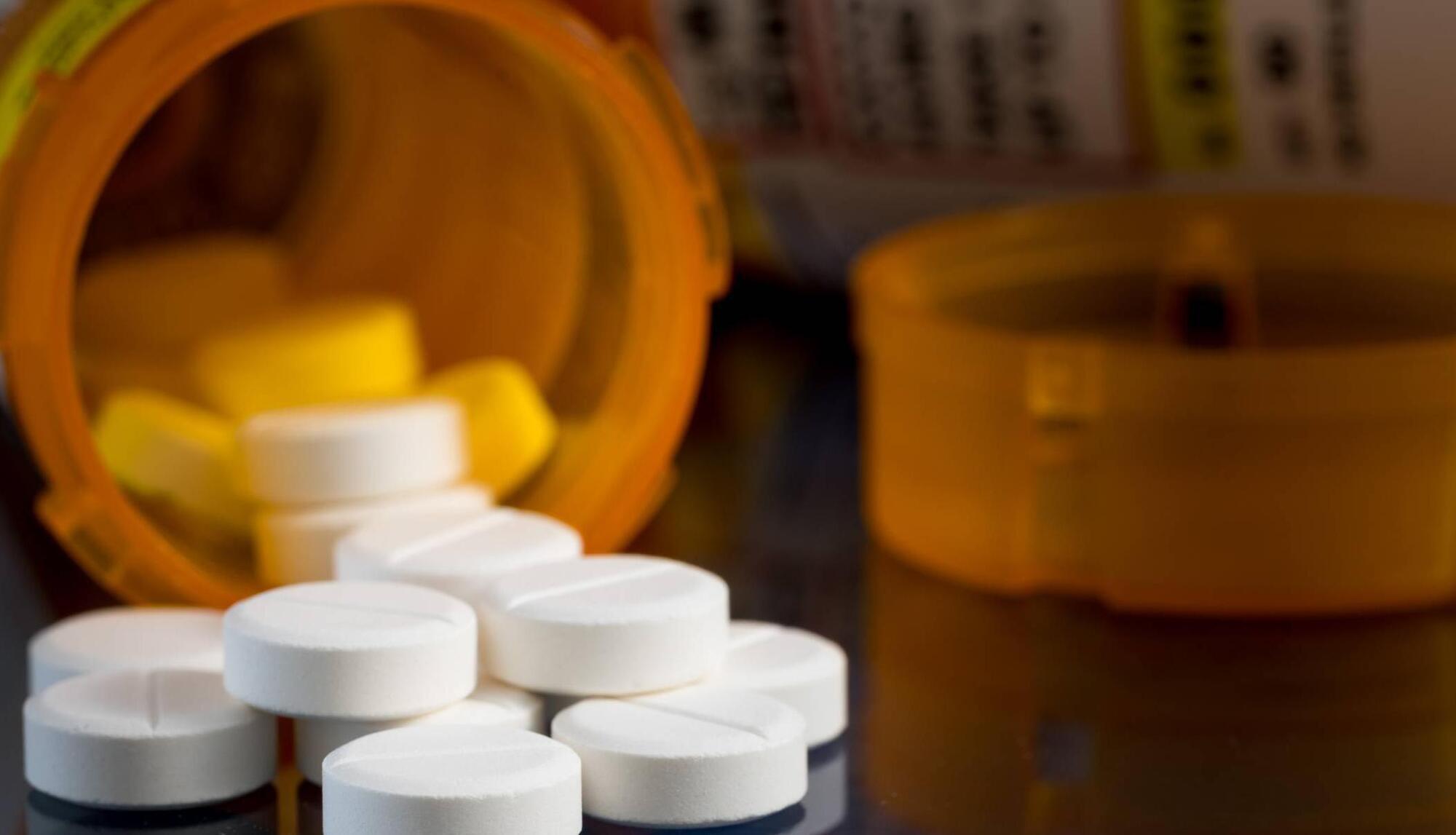
MFI chairperson Padraic O’Brien said that, as costs continue to rise, 'market conditions will become increasingly unviable for companies supplying generic medicines to Irish hospitals and pharmacies.' File Picture: iStock

Soaring inflation, energy prices, and increased transport costs and associated supply chain disruptions mean there is a “real and serious risk” of medicine shortages in Ireland in the year ahead, a body whose members supply drugs to the HSE has warned.

In a pre-Budget submission to Government, Medicines for Ireland (MFI) said the ongoing risk of critical medicine shortages had been receiving “significant public and political attention” in Ireland and across the EU.

“There is no basis to assume this matter is temporary or will resolve autonomously,” MFI said.

MFI said that Ireland, as a small market, is "more likely to be badly impacted by inflationary pressure.” 

In its submission, the pharmaceutical industry body called for the development of a flexible pricing mechanism to safeguard against the risk of any potential shortages here going forward.

It also recommended the establishment of a national medicines reserve, as well as “effective preparatory measures” to facilitate the implementation of the EU’s revised pharmaceutical legislation, which aims to ensure safe, affordable medicines for all EU citizens.

The EU's directive, which was officially unveiled in April, also seeks to reduce the period of market exclusivity for new drugs, allowing generic medicines to be launched more quickly and thereby improving access.

But MFI chairperson Padraic O’Brien said that, as costs continue to rise, “market conditions will become increasingly unviable for companies supplying generic medicines to Irish hospitals and pharmacies.” 

Mr O’Brien said the volume of generic medicines used in Ireland has increased by 70% since 2012, and these now accounted for 57% of all prescribed medicine here.

However, he said that while the increased use of generic medicines had yielded “hundreds of millions in savings for the State”, Ireland still falls “far short” of the European average for generic usage of 70%.

“Additionally, in some cases, our reimbursement prices for certain medicines are too low compared to other EU countries and price adjustments in Ireland are historically downward only,” he said.

“This adds to unsustainable market conditions for suppliers”.

Mr O’Brien said that there remained “many untapped areas of reform within the medicine pricing and reimbursement system in Ireland that can deliver further value for patients and the state.” 

“Failing to address the high cost of medicines, with more sustainable generic or biosimilar options will ensure that funding constraints remain a millstone around the neck of an already overstretched healthcare system in Ireland,” he added.

x

More in this section

Lunchtime News

Newsletter

Keep up with stories of the day with our lunchtime news wrap and important breaking news alerts.

Cookie Policy Privacy Policy Brand Safety FAQ Help Contact Us Terms and Conditions

© Examiner Echo Group Limited