Many children with disabilities having to travel up to an hour each way for school
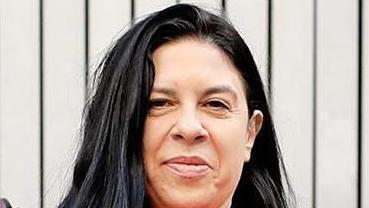
Children’s Rights Alliance chief executive Tanya Ward said research showed children living in direct provision endured conditions far below a minimum essential standard of living. Picture: Julien Behal
Parents of children with disabilities often have to enrol their children in schools anywhere up to an hour away from their home, according to Inclusion Ireland.
The body’s chief executive, Derval McDonagh, told a seminar as part of End Child Poverty Week that a recent survey it conducted showed 27% of respondents are taking their children to schools over a half an hour away, while 17% said their child was attending a school an hour away.
“There is a lack of available support and services for children and that is compounding the very real issues that children are facing that are existing in poverty," Ms McDonagh said.
“That person is also struggling to access physiotherapy supports for their child," she added.
Ms McDonagh said the stark reality was that families are fighting for supports and services. She referenced last week’s report from the Ombudsman for Children which showed children are having to remain in hospital even when there is no medical need because there is nowhere else for them to go.
The seminar also heard children in direct provision need income supports.
Sara Cid, researcher at the Irish Refugee Council, said children in direct provision receive €29.80 a week, in contrast to the €40 per week paid in child benefit.
She said the system was inequitable and that finding employment can be difficult for parents in direct provision centres because they may be living in remote locations. She added there were often language barriers to be faced as well.
Tanya Ward, chief executive of the Children’s Rights Alliance, said research showed children living in direct provision endured conditions far below a minimum essential standard of living.
“Some children and families are living in crowded and often, inappropriate accommodation — some have had their entire worlds reduced to just one room.
"Children and young people have told us how difficult it is to have a normal life, with no access to simple things like cooking facilities to prepare a meal together, or using a bar of soap to wash their hair because they do not have the means to get anything else.
She said this meant these children endured a childhood severely compromised by poverty, creating a major barrier to community integration, as they are unable to afford to take part in activities with their friends and peers from school, including sports.
CONNECT WITH US TODAY



Be the first to know the latest news and updates