Parents 'unable to cope' volunteering teens into care system
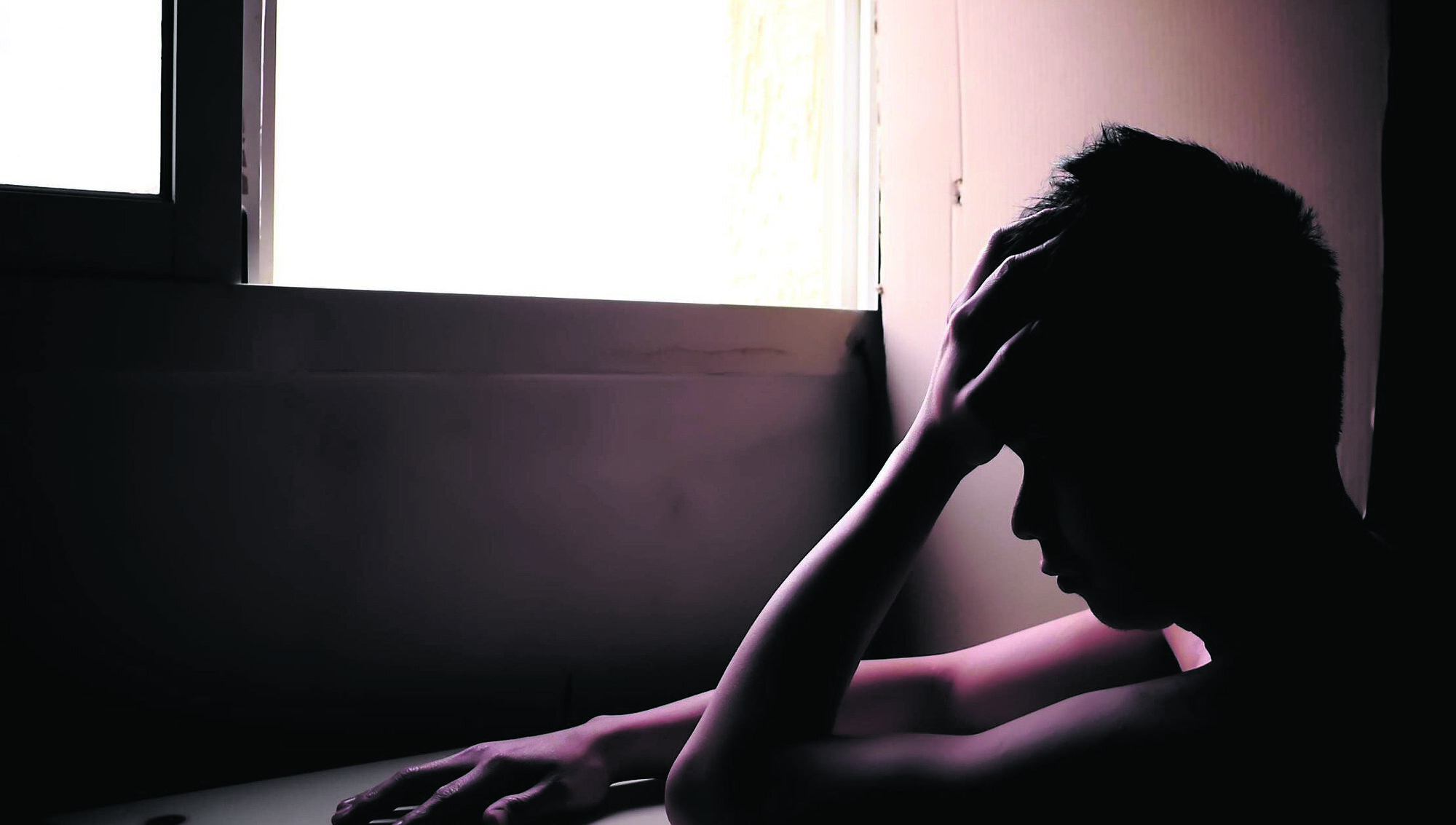
Last week, 41% of young people in emergency care were there because 'there was a breakdown in their home arrangement'.
Young people are entering state care for the first time in their late teens because their parents are unable to cope, the interim head of Tusla has said.
The child and family agency is seeing a âsignificant increaseâ in the number of teenagers aged between 16 and 18 who were never in the care system but whose families are now volunteering them into care "because they are unable to copeâ.Â
Interim chief executive Kate Duggan said parents are turning to the state agency as a last resort to try to get help in looking after their children.
She was speaking as part of a panel discussion on child welfare and alternative care in Cork City on Tuesday.
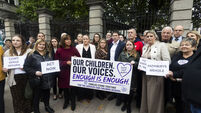
The event was organised by the Childrenâs Rights Alliance to mark the allianceâs End Child Poverty Week.
Ms Duggan told the conference that 60 to 65 children and young people are in emergency accommodation on a given night.Â
She acknowledged that such accommodation is unregulated.Â
Last week, 41% of young people in emergency care were there because âthere was a breakdown in their home arrangementâ, according to Ms Duggan.
 âThey have never been in the care system before, so there is something changing in the dynamic of families being able to support an older age of young person and very often because of addiction issues, mental health issues or issues where they have started to become engaged with criminal gangs,â she said.
To date this year, 4,661 children and young people have been referred to Tusla, Ms Duggan said.Â
That number is up by 14% on the same period last year.
She said the agency expects by the end of this year to see a 20% increase in those referrals, compared with the end of last year.
She acknowledged: âThere are children and families who have not always got the services that they needed or had access to the services at a particular time.Â

"We are very conscious of that and very much now on a programme of reform, of trying to make things better.âÂ
There are currently 4,500 children in direct provision and Ms Duggan said Tusla has also seen a significant increase in the number of separated children â up 500% â seeking international protection.Â
There has been a 25% increase in services relating to domestic, sexual, and gender-based violence.
Ms Duggan said: âWe are seeing a significant increase in demands for our services and that is sending a very clear signal that all is not right in Ireland today when it comes to children, and childrenâs development and childrenâs participation, and childrenâs ability to be children and live as children.âÂ
There are currently 5,595 children in the care of the State, with 91% of those in foster care, according to Ms Duggan.
She paid tribute to the dedication and selflessness of foster carers.
She said foster care needs to be ânurturedâ.
Ms Duggan raised concerns about children in care who are not able to access residential services, saying: âWe are seeing a significant challenge in our ability to provide appropriate residential care services.âÂ
She said that âtoo many childrenâ are having to leave their own communities, social networks, and their own local area to move to a residential facility.
âWhat we are starting to see as well is a changed environment in terms of the risks, online safety, their risks in terms of child exploitation, whether thatâs sexual exploitation, criminal exploitation, human exploitation,â she added.