Majority of elderly Irish people would favour 'care robots' to look after them, study finds
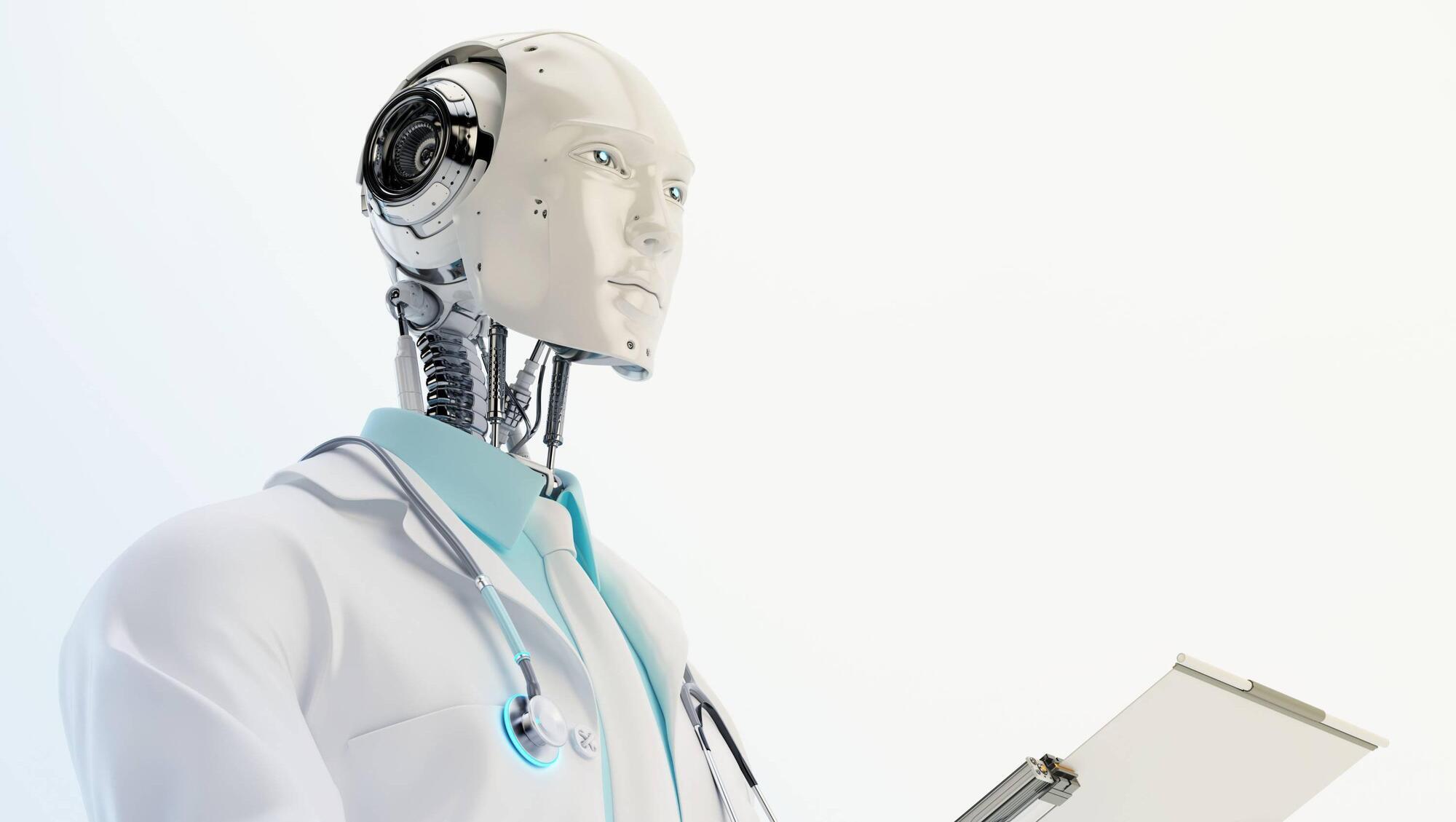
Majority of elderly Irish people would favour 'care robots' to look after them, study finds

The use of care robots for the care of the elderly is expected to grow due to aging populations, with the number of people aged 65 and over worldwide projected to increase by 1.5 billion by 2050.

More than seven in 10 elderly people and carers in Ireland would be open to allowing “care robots” to look after elderly people in their home, according to new research.

An international study examined the willingness among older people, family carers, and homecare professionals, including nurses, to consider the use of robots to assist with the care of the elderly.

Only 5% of Irish respondents said they would never want to use a care robot at home to provide care to a family member.

At the same time, however, only 38% of Irish people said they would like to use a care robot when receiving care in their home themselves — considerably less than the international average of 58%.

The study, which is published in the medical journal, Archives of Gerontology and Geriatrics, involved an international team of researchers from Japan, Finland, and Ireland including academics from UCD.

They conducted a survey of more than 1,130 potential users of care robots, including over 200 from Ireland.

The use of care robots for the care of the elderly is expected to grow due to aging populations, with the number of people aged 65 and over worldwide projected to increase by 1.5 billion by 2050.

Societal ageing will result in a rise in the number of older adults with dementia and a consequent increase in the burden of carers — both family members and professionals.

The use of technologies such as robotics and artificial intelligence is expected to provide a role in providing high-quality care to older people.

Ethical issues

However, the study acknowledged the expansion of the use of robots to provide care for the elderly raises a number of ethical issues.

They include whether care robots should be allowed to take photos or record videos and if such images should be used by healthcare professionals for clinical care and monitoring.

Other ethical concerns are whether doctors and nurses should be allowed to receive information on vital signs like blood pressure and pulse recorded by a robot as well as information about the location of the user.

The results of the survey showed people in Ireland were significantly more in favour of using care robots for research and development than their counterparts in Japan and Finland.

“A positive attitude was shown towards the development of care robots that contribute to public welfare,” the report noted.

However, Irish respondents were less willing to allow healthcare professionals to use secondary information collected by robots.

Although secondary use of personal information is necessary to develop care robots, the study said there was an apparent reluctance among Irish people to support it.

It said such an attitude could be attributed to the fact that “the readiness for digitalisation and ICT infrastructure” is lacking in Ireland compared to the other two countries.

The report suggested such reluctance could be overcome by explaining the significance of secondary use information as a response to the willingness of Irish respondents to contribute to research and development.

Social acceptance limited

One of the report’s main authors, Sayuri Suwa of Chiba University in Japan, said although care robots are being developed and improved at a rapid pace, their social acceptance has been limited.

“There are no discussions among users — older people, family caregivers and care staff — and developers regarding the willingness to use care robots, the protection of privacy and the appropriate use of personal information associated with the use of care robots,” said Prof Suwa.

She said the results indicated the rollout of care robots could be promoted if developers and researchers encouraged potential users to participate in the development process.

“We hope that the process of developing care robots will be promoted to contribute to human wellbeing in a global ageing society,” said Prof Suwa.

x

More in this section

Lunchtime News

Newsletter

Keep up with stories of the day with our lunchtime news wrap and important breaking news alerts.

Cookie Policy Privacy Policy Brand Safety FAQ Help Contact Us Terms and Conditions

© Examiner Echo Group Limited